New Oil and Gas Discoveries in Africa: Overview and Outlook for 2025
Africa is emerging in 2025 as a strategic player in global hydrocarbons, with major discoveries in Namibia, Ghana, and Côte d'Ivoire and rising investment.
 By the editorial teamPetrole.Africa
I. Executive Summary
In 2025, Africa is establishing itself as an increasingly strategic player on the global energy stage, particularly in the hydrocarbons sector. While global conventional exploration has trended downward and volumes of discovered reserves fell in 2023, the African continent stands out for a significant resurgence in exploration activity, becoming a world leader in drilling high-impact wells. This momentum is reflected in rising investment, with capital expenditure (Capex) in African oil and gas reaching $47 billion in 2024, a 23% increase over the previous year. This growth is driven not only by established producers such as Angola and Nigeria, but also by emerging players such as Namibia, Senegal, and Ghana.
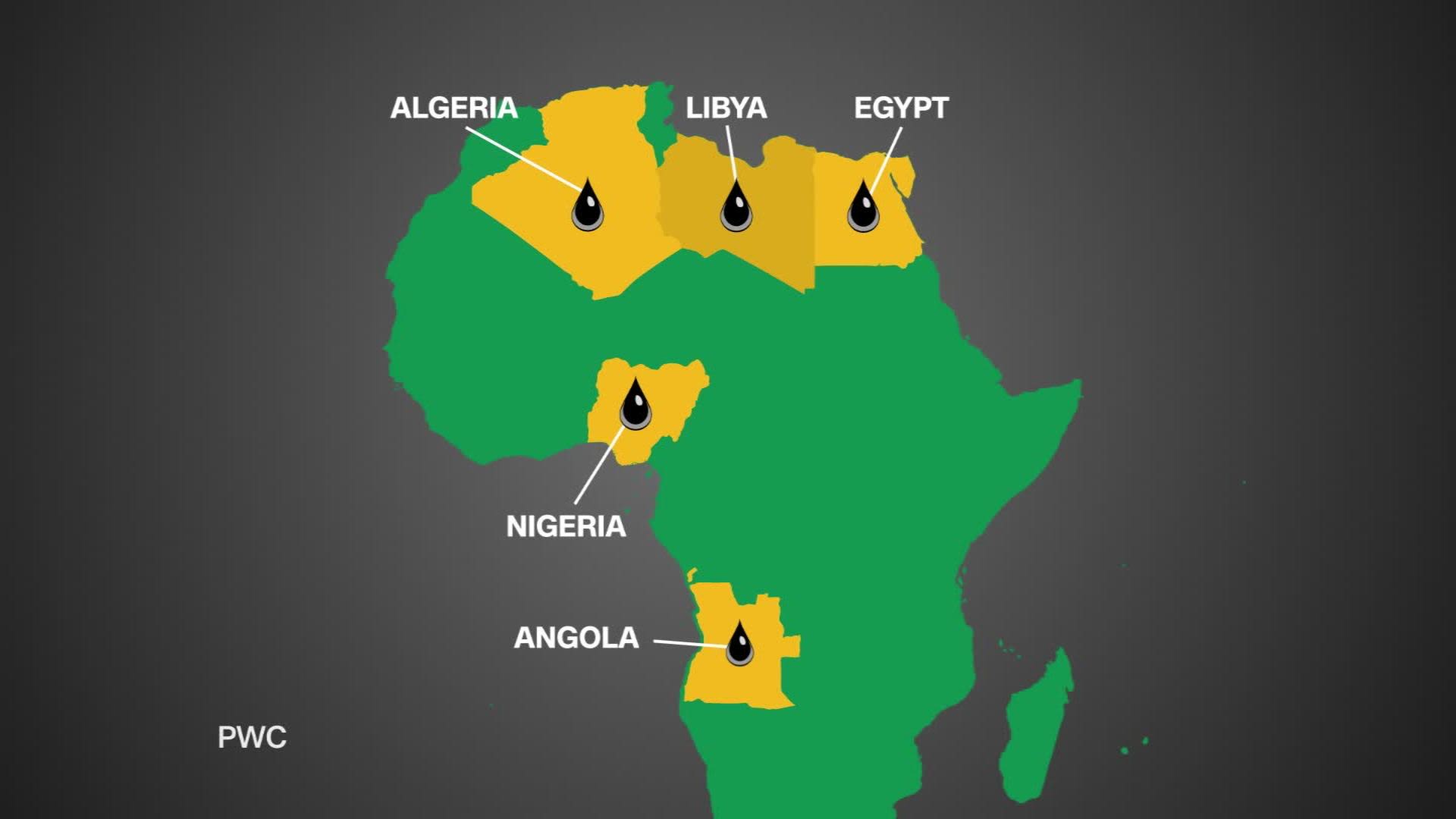
Namibia, in particular, has become a global exploration hotspot, with the major Venus and Mopane discoveries transforming its energy potential. In West Africa, Senegal and Mauritania have passed a major milestone with the start of operations at the Greater Tortue Ahmeyim (GTA) project, marking the beginning of offshore LNG production. Ghana has also confirmed the commerciality of its Eban-Akoma discoveries, paving the way for new developments. In Central Africa, Angola and Congo-Brazzaville are pursuing ambitious strategies to increase their oil and gas output, with key projects such as the Agogo FPSO and Congo LNG. North Africa, notably Libya and Algeria, is experiencing a revival of exploration and investment, with drilling campaigns and attractive licensing rounds.
African governments are playing a proactive role in promoting investment through sound policy changes and licensing rounds. African national oil companies (NOCs) are increasingly becoming drivers of development, adopting diversified financing strategies that include privatizations, bond issuances, and joint ventures. This evolution is all the more relevant as divestments by international majors create opportunities for local companies and Asian and Middle Eastern players.
However, this growth momentum comes with significant challenges. The risk of the "resource curse" persists, with concerns about price volatility, economic dependence, and equity in the distribution of wealth. Environmental and social impacts, such as rising carbon emissions, environmental degradation, and population displacement, require strategic and transparent management. The dialogue between Africa's energy development imperatives and global environmental concerns remains tense, underscoring the need for a just energy transition adapted to the continent's realities.
II. Introduction: The African Energy Context
Africa's Position in Global Hydrocarbon Exploration
2025 marks a period of transformation for Africa's energy sector, characterized by a notable resurgence in oil and gas exploration. This momentum contrasts sharply with trends observed globally. In 2023, global conventional oil and gas exploration reserves trended downward, and despite increased investment in exploration and development, newly discovered reserves and commercial success rates fell considerably. This puts Africa in a countercyclical position, where the continent stands out as a key player, even a leader, in drilling high-impact wells, that is, wells with the potential to significantly increase global reserves.
In 2024, African exploration campaigns were particularly fruitful, accounting for 35% of the oil resources discovered worldwide, or 2.9 billion barrels of oil equivalent. This performance is remarkable, especially compared with Africa's contribution of only 7% of new global discoveries in 2023. This rapid progress underscores Africa's growing strategic relevance on the global map of hydrocarbon exploration. The increase in capital expenditure (Capex) in the African oil and gas sector, which reached $47 billion in 2024 (a 23% increase over the previous year), is a clear indicator of this renewed confidence, and this growth is expected to continue through the end of the decade. These figures show that Africa is not merely following global trends but is redefining the geography of exploration and of future energy supply.
The increase in investment is largely attributable to "common-sense" policy changes in countries such as Namibia, Senegal, Mauritania, Egypt, and Angola. These smart policy reforms have created a more attractive environment for foreign investors, demonstrating that, beyond geological wealth, the quality of the regulatory and fiscal framework is a decisive catalyst for attracting capital. The ability of African governments to adapt their policies quickly to encourage investment is a crucial factor that positions the continent to maximize its hydrocarbon potential.
Purpose of the Report: Providing a Detailed Overview of New Discoveries and Their Strategic Implications
The purpose of this report is to provide a detailed overview and forward-looking analysis of newly discovered oil and gas fields in Africa, with particular emphasis on 2025. It will examine the strategic implications of these discoveries for the continent's energy security, its economic development, and its contribution to the global energy supply. The report will also explore the challenges inherent in these developments, such as environmental and social concerns, as well as opportunities for sustainable growth.
III. Overview of Key Discoveries and Projects by Region (2023-2025)
A. Southern Africa: The Emergence of the Orange Basin
Southern Africa has become a major epicenter of oil and gas exploration, mainly thanks to the spectacular emergence of the Orange Basin.
Namibia
Namibia has undergone a rapid transformation, going from an "exploration graveyard" to a "global exploration hotspot." This metamorphosis is the result of significant discoveries in the Orange Basin, which have drawn the attention of international supermajors.
TotalEnergies' Venus discovery in 2022 is a major milestone. The Venus-1 well is considered one of the largest oil accumulations ever found in sub-Saharan Africa, with recoverable resources estimated at between 1.5 and 2 billion barrels of oil. TotalEnergies is stepping up appraisal efforts on Block 2913B in 2025, with a final investment decision (FID) expected in 2025 and first oil targeted for 2029. The French company also plans to acquire an additional 10.5% interest in this block.
The Mopane complex, discovered in 2024, is another notable find, estimated at around 10 billion barrels of oil equivalent (boe), making it "one of the largest offshore discoveries in the world." Galp, the operator holding 80% of license PEL 83, is seeking to sell down part of its stake. TotalEnergies is reportedly leading the race to acquire a major operating interest by the end of 2025. The Mopane-3X well confirmed a new exploration discovery of light oil and gas condensate. Namibia aims to drill more than 12 offshore wells in 2025 and to become one of Africa's top five producers by 2030.
Namibia is deploying a diversified development strategy, exploring both its vast offshore resources and onshore frontier areas. While offshore discoveries such as Venus and Mopane attract supermajors and promise massive volumes, onshore exploration efforts continue in the Kavango Basin by ReconAfrica in 2025. Although the initial results were inconclusive, new wells could confirm the potential of a functioning petroleum system. This two-pronged approach shows that Namibia is not putting all its eggs in one basket, but is seeking to de-risk its basins and maximize its long-term resource potential.
The concentration of supermajor influence, particularly that of TotalEnergies, is a striking feature of the evolution of Namibia's sector. TotalEnergies is already the operator of Venus and is expected to become the lead operator of Mopane. If confirmed, a large share of Namibia's most promising resources would be under the supervision of a single, heavily invested supermajor. This concentration could accelerate development thanks to TotalEnergies' technical expertise and financial strength. However, it also carries risks, notably the concentration of operational risk and limited diversification of partnerships. In this context, the Namibian government's stated objective of maximizing national benefits and ensuring efficient development is all the more crucial, requiring rigorous regulatory oversight to guarantee equitable revenue sharing and the development of local content, especially given Namibia's status as a "frontier country" lacking governance experience in this sector.
Azule Energy also entered the Namibian market in 2024, finalizing a strategic agreement for Block 2914A in license PEL 85, leveraging its Angolan expertise.
South Africa
South Africa has been identified as an area of interest for global exploration investment in 2024, particularly for high-impact wells. Deepwater exploration on the Atlantic margin is expected to remain robust in 2025. Petrobras acquired offshore interests in South Africa in 2023.
B. West Africa: Consolidation and New Horizons
West Africa is going through a period of consolidation and opening toward new horizons, with countries such as Ghana, Côte d'Ivoire, and Nigeria strengthening their positions in the hydrocarbons market.
Ghana
Ghana has regained significant momentum in its hydrocarbons sector after a five-year decline, with a 10% increase in oil production and a 7% increase in gas production in 2024.
The Eban-Akoma discoveries represent a major step forward. The Ministry of Energy and Green Transition officially declared the commerciality (DoC) of these oil and gas discoveries in the Cape Three Points 4 (CTP-B4) block on July 3, 2025. This declaration follows a successful appraisal program that confirmed the commercial viability of the Eban-1X (oil) and Akoma-1X (gas and condensate) wells. A consortium made up of Eni Ghana Exploration & Production Ltd, Vitol Upstream Tano Ltd, Woodfields Upstream Ghana Ltd, and GNPC Exploration & Production Company Ltd (Explorco) submitted this declaration in collaboration with the Ghana National Petroleum Corporation (GNPC). The joint venture partners are now preparing a comprehensive plan of development (PoD), focused on optimal resource recovery, value maximization, and increased local content participation. This project could become Ghana's fifth oil and gas development project. GNPC has committed to pursuing innovative joint ventures with Eni in 2025 and beyond to accelerate projects.
Côte d'Ivoire
The Ivorian sedimentary basin stood out with significant discoveries in 2024, contributing to Africa's 35% share of oil resources discovered worldwide. This offshore area has become one of the most prolific in Africa since the discovery of the Baleine field in 2021.
Production from the Baleine field, operated by Italy's ENI in partnership with Petroci, has exceeded expectations, reaching 85,000 barrels per day (bpd) from its first two phases. Phase 1 was launched in August 2023, and Phase 2 began on December 28, 2024, significantly increasing extraction volumes. Natural gas production has also risen notably, reaching 50 to 60 million cubic feet per day. A decision on a possible third development phase of the Baleine field is expected by the end of 2025. Eni also acquired 4 new offshore blocks in Côte d'Ivoire in November 2024.
The Calao field was discovered in 2024 through the drilling of the Murène 1X well by Eni. Thanks to the Baleine and Calao fields, Côte d'Ivoire is targeting national production of 200,000 bpd of oil and 450 million cubic feet of gas per day by 2028. Vitol made a major upstream asset acquisition in Côte d'Ivoire and Congo-Brazzaville in 2025 , although specific details on the implications for the discoveries are not provided.
Nigeria
Nigeria remains a key player, seeking to maintain or increase its production in 2025. The country's growth reached 3.4% in 2024, mainly thanks to higher hydrocarbon output. The Nigerian government has set ambitious targets of 3 million bpd of liquids and 12 billion cubic feet per day of gas by 2030.
Deepwater activity, notably by Africa Oil Corp., continues in 2025 with ongoing drilling in the Akpo and Egina fields. A new seismic acquisition in the Agbami field, completed in late 2024, is being processed ahead of a drilling campaign planned for 2026, aimed at improving production and optimizing resource recovery.
Upstream investment in Nigeria has fallen sharply, from a peak of $29 billion in 2014 to just over $5 billion in 2024, the latter figure being the minimum required to maintain current production levels. However, 2024 was marked by a wave of acquisitions by indigenous players (Oando, Chappal) and by the award of new onshore and deepwater blocks in the first licensing round under the 2021 Petroleum Industry Act (PIA), signaling a boost to Nigeria's development strategy. Major companies such as Renaissance Africa Energy Company, Shell, and ExxonMobil are planning significant investments.
The Dangote refinery (650,000 bpd) came on stream in 2024, making West Africa the continent's largest refining hub and signaling Nigeria's path toward self-sufficiency in refined products. The rehabilitation of state-owned refineries is also under way. In the gas sector, the expansion of liquefied natural gas (LNG) and compressed natural gas (CNG) initiatives, the more than 70% completion of the long-awaited LNG Train 7 project, and emerging floating LNG (FLNG) developments underscore Nigeria's commitment to its "Decade of Gas." The final investment decision for the Nigeria-Morocco gas pipeline (NMGP) project is expected in the first quarter of 2025.
West African nations, notably Ghana, Côte d'Ivoire, and Nigeria, are adopting a diversified growth strategy, balancing oil and gas development. Ghana, with its Eban-Akoma discoveries, aims to exploit both oil and gas. Côte d'Ivoire, thanks to the Baleine field, is increasing its oil and gas production, with ambitious targets for both. Nigeria, for its part, is investing heavily in increasing crude output and in gas monetization (LNG, CNG, NMGP). This diversification strengthens regional energy security, provides multiple revenue streams, and aligns with the global trend of viewing gas as a transition fuel. It positions West Africa as a regional energy hub, beyond a mere crude exporter.
A major strategic shift is the rise of indigenous players in the Nigerian oil and gas landscape. While traditional investment has declined , 2024 was marked by a wave of acquisitions by Nigerian companies, such as Oando and Chappal, which took over assets from international majors. In addition, many indigenous companies won blocks in the first licensing round under the 2021 PIA. This trend suggests a strategic transfer in which international majors are divesting mature assets, creating opportunities for local companies to step in. This could foster greater local content, capacity building, and potentially a more direct national benefit from oil and gas resources. However, it also raises questions about the financial capacity and technical expertise of indigenous companies to develop complex, large-scale projects, and whether this shift will fully offset the reduction in supermajor investment. The success of this strategy will depend on strong government support and access to diversified financing mechanisms.
C. Central Africa: Untapped Potential
Central Africa, led by Angola and Congo-Brazzaville, represents significant untapped potential, with concerted efforts to maximize hydrocarbon production.
Angola
Angola, a major established producer , aims to attract new investment and sustain its production despite the aging of some fields. The country celebrates 50 years of independence in 2025. Angola plans to increase its natural gas production while keeping crude output above one million barrels per day (bpd) beyond 2027.
Azule Energy, a joint venture between bp and Eni, is stepping up its exploration efforts in 2025, planning to drill several offshore wells in deepwater blocks, focusing on high-potential prospects in the Lower Congo and Kwanza basins. Azule Energy is Angola's largest independent oil and gas producer, with a target of 250,000 bpd by 2027.
Among the major projects, the Agogo FPSO (Block 15/06) arrived in Angolan waters in May 2025, with start-up planned for the second half of 2025, expected to add 120,000 bpd to production. The project is being developed in partnership with Angola's national oil company Sonangol E&P and the Chinese firm Sinopec.
The New Gas Consortium (NGC), operated by Azule Energy, is developing Angola's first non-associated gas project, tapping resources from the shallow-water Quiluma & Maboqueiro (Q&M) fields. The offshore platforms were completed in February 2025, with production expected to start in late 2025 or early 2026. The project will be connected to the Angola LNG plant in Soyo, increasing output and exports.
Angola's investment strategy is also characterized by an infrastructure-led exploration (ILX) approach, considered essential to sustaining crude production, even though it alone will not be enough to reverse the decline. Angola and the United States are charting a path toward expanded energy cooperation.
Angola, traditionally an oil producer, is making a strategic pivot toward non-associated gas. The development of the New Gas Consortium by Azule Energy is explicitly presented as the "country's first non-associated gas project." The project aims to increase production and exports via the existing Angola LNG facility, which previously used gas from associated projects. This deliberate move to monetize gas resources independently of oil production strengthens Angola's energy security and diversifies its exports, thereby reducing its reliance on associated gas (tied to oil production levels) and potentially opening new revenue sources in the global LNG market.
Congo-Brazzaville
Congo-Brazzaville aims to double its oil production to reach 500,000 bpd by 2025. The country has approximately 10 trillion cubic feet (tcf) of proven gas reserves, mainly offshore.
In the gas sector, the second phase of the Congo LNG project is expected to export approximately 4.5 billion m³ of LNG in 2025. Phase 1 began operations in late 2023, with the first Congolese LNG cargo bound for Italy in February 2024. Eni is also focusing on exploration in the Marine XX permit, anticipating new discoveries in 2024 with the arrival of two drilling rigs in May. Eni made a significant new oil discovery in the Minsala Marine exploration prospect (Marine XII block), estimated at approximately 1 billion barrels of oil equivalent in place (80% oil).
On the oil projects side, TotalEnergies' $600 million investment in the Moho North field is expected to add 40,000 bpd to national production. Trident Energy's entry into the Nkossa, Nsoko II, Lianzi, and Moho-Bilondo fields is expected to increase its global output by 30,000 bpd. Perenco aims to reach 100,000 bpd in 2025 through investments and advanced techniques in mature fields such as Tchibouela II and Tchendo II.
Congo-Brazzaville is taking a balanced approach to growing its production and developing its infrastructure. The country aims to double its oil production by 2025 through new projects and the revitalization of mature fields. At the same time, significant progress is being made in gas monetization with the Congo LNG project. The emphasis on "reinjection strategies in the Nkossa and M'Boundi fields" for gas, alongside FLNG plants, indicates a commitment to both export and domestic power generation. This integrated strategy reveals mature resource management, seeking both short-term production increases and long-term energy security through diversified use of hydrocarbons, including reduced flaring and support for national energy needs.
D. North Africa: Revival and Diversification
North Africa is experiencing a revival of its hydrocarbons sector, led by Libya and Algeria, which are seeking to diversify their energy sources and attract new investment.
Libya
Libya aims to increase its oil production to 2 million bpd by 2027. International energy companies (TotalEnergies, Eni, Repsol, OMV, bp) have resumed their exploration and drilling activities.
Eni's program is particularly active. The Italian major has committed to expanding its upstream operations in Libya. In 2025, it plans to drill new offshore wells in the Mediterranean, focusing on high-potential prospects. Eni has four exploration wells in its 2025 pipeline, including an offshore drilling campaign in the Sirte Basin by the end of the year. Eni is the largest gas producer in Libya, accounting for 80% of the country's gas production in 2024 (8.5 billion cubic meters).
Among the key projects, the A&E Structures, approved in January 2023, are a gas development project involving two fields in the Bahr Essalam area, connected to the Mellitah treatment plant. Offshore drilling activities begin in the first half of 2025. This project also includes CO2 storage, reducing emissions by 2 million tonnes of CO2 equivalent per year. The
Bouri Gas Utilization project, approved in March 2023, aims to eliminate flaring and use the gas. Finally, the
Sabratha Compression project, approved in May 2023, is crucial to maintaining gas production from the Bahr Essalam field and supporting future production from the A&E Structures, with start-up planned in 2025. An ultra-deepwater exploration well in Area C is planned for the second half of 2025, and an offshore well in the Sabratha area in 2025. An onshore seismic acquisition in the Sirte Basin is also planned under the four-year plan.
The revival of Libya's energy sector is strongly focused on gas and carbon management. International companies have resumed their exploration and drilling activities. Eni's specific projects, such as the A&E Structures, incorporate CO2 storage, which significantly reduces emissions. This strategic approach, which goes beyond simply increasing production, incorporates modern environmental considerations such as carbon capture, making Libyan projects potentially more attractive to international partners facing decarbonization pressures. This positions Libya as a potentially more "responsible" producer over the long term.
Algeria
Algeria holds the third-largest crude oil reserves in Africa (12.2 billion barrels) and approximately 159 trillion cubic feet of natural gas reserves.
In terms of investment and licensing, the country plans to inject nearly $50 billion into hydrocarbon projects over the next four years, 71% of which will go to exploration and production. Algeria launched its "Algeria Bid Round 2024" in November 2024, with the bid opening ceremony on June 17, 2025 for six onshore blocks, attracting 41 international oil companies (IOCs). A "2025 Bid Round" is already in preparation for the fourth quarter of 2025. TotalEnergies, jointly with QatarEnergy, was awarded the Ahara license (14,900 km²) following the 2024 bid round, with TotalEnergies as operator.
Algeria's multi-year licensing strategy combines high-potential frontier areas with low-risk mature assets, all supported by extensive geological data. This approach suggests a sophisticated and well-prepared method of attracting investment, moving from ad hoc license awards to a structured, transparent, data-driven framework. This proactive stance, combined with substantial reserves, could significantly strengthen Algeria's role as a major hydrocarbon supplier, particularly for Europe, which is seeking to diversify its gas supply sources.
E. East Africa: Natural Gas in the Spotlight
East Africa is emerging as a key region for natural gas, with Senegal, Mauritania, and Mozambique developing major infrastructure for LNG exports.
Senegal and Mauritania
These countries are emerging players seeking to develop natural gas hubs and build infrastructure for large-scale production from recent offshore natural gas discoveries.
The development of Greater Tortue Ahmeyim (GTA) represents a major milestone. Senegal and Mauritania passed a significant milestone with the start of GTA operations, marking the beginning of offshore LNG production in northwest Africa. The project is operated by BP.
In 2025, GTA Phase 1 is operational, with all four FLNG trains in service and the liquefaction trains tested at about 10% above their nameplate capacity. The first LNG cargo was transferred in April 2025. Production is ramping up to reach the contracted volume (2.45 mtpa), with potential for increase, and 20 to 25 gross cargoes are expected in 2025. The first condensate cargo is planned for the second half of 2025. Total gas resources in the field are estimated at approximately 15 trillion cubic feet.
For Phase 2, the development concept of a gravity-based structure (GBS) with a capacity of 2.5 to 3 mtpa has been confirmed, with construction to begin in 2025 and start-up planned for 2027.
Mozambique
Mozambique is also seeking to develop natural gas hubs.
The Coral South FLNG facility is Mozambique's only operational LNG facility as of October 2023, operated by Eni, which shipped its first cargo in November 2022. Eni is reportedly considering building a second FLNG vessel.
The Mozambique LNG terminal is a proposed onshore LNG export facility (Area 1, Block 1) operated by TotalEnergies. Construction was delayed because of militant attacks, and commercial operations have been pushed back to 2027 at the earliest.
East Africa's LNG export ambitions are considerable, but they are also subject to geopolitical and security risks. Senegal and Mauritania (GTA) as well as Mozambique (Coral South, Mozambique LNG) are explicitly focused on creating "natural gas hubs" and "global LNG powerhouses." The GTA project is already operational and ramping up. However, the Mozambique LNG project (Area 1) has suffered significant delays due to "militant attacks" , which have considerably pushed back its schedule. This situation highlights the dual nature of the opportunities in East Africa: immense gas potential for global export, but also significant geopolitical and security risks that can seriously affect project timelines, investor confidence, and ultimately the realization of economic benefits. Stable security environments are paramount for these large-scale, capital-intensive projects.
Alongside export ambitions, the role of gas in Africa's energy transition is nuanced. While GTA and Mozambique LNG are primarily export-oriented , Africa's vast natural gas reserves (nearly 18,000 billion cubic meters) are considered "essential for a just energy transition." In Congo, gas is also intended for "domestic power generation" in addition to export. This dual strategy is crucial to balancing economic development with climate goals, especially as global demand for clean gas grows.
IV. Investment and Financing Dynamics
Capital Expenditure (Capex) Trends and the Role of Emerging Players
Africa's oil and gas sector is experiencing a significant increase in capital expenditure (Capex), which reached $47 billion in 2024, a 23% increase over the previous year, with continued growth expected. This momentum is all the more remarkable because, although established producers such as Angola and Nigeria were the main drivers of investment in 2024, emerging players such as Senegal, Ghana, and Namibia are increasingly making their mark. Global investment in exploration is also expected to continue growing steadily in 2024, mainly from national oil companies (NOCs) and major international oil companies (IOCs). African NOCs dominate the global oil and gas sector, accounting for 50% of global production and controlling highly competitive reserves. Many of them are expanding their activities internationally, particularly in Africa.
Investment trends in Africa show a duality: overall growth in capital spending and a structural reconfiguration of players. While overall Capex is rising , there is simultaneously a "wave of divestments" by the traditional majors. This creates space for "emerging players" and local companies. This is not merely quantitative growth but a fundamental change in the ownership and operation of assets. This reconfiguration suggests a more diversified investor base for Africa's energy sector, potentially reducing dependence on a few dominant Western IOCs. It could also lead to more agile, locally focused development strategies, but could also introduce new financial and technical challenges for less experienced operators.
Financing Strategies: Privatizations, Bond Issuances, Joint Ventures
African NOCs are deploying a diverse range of financing strategies to ensure continued investment in oil and gas projects:
- Privatization and divestment: Selling stakes in non-core assets and partial privatization have become crucial tools for African NOCs to streamline their operations and attract private capital. Sonangol, in Angola, has thus reaffirmed its intention to launch an initial public offering (IPO) for 30% of its shares.
- Bond issuances and capital market financing: Faced with the need to finance long-term projects, governments and NOCs have turned to international capital markets. Bond issuances originating in Africa exceeded $14.8 billion in the first quarter of 2024. Nigeria notably issued a $900 million domestic dollar bond (180% subscribed) and a $1.7 billion Eurobond (five times subscribed) in December 2024.
- Joint ventures (JVs): Joint ventures have proven to be effective strategies for NOCs to raise capital, leverage foreign technical expertise, and share financial risks. The Ghana National Petroleum Corporation (GNPC) has committed to pursuing innovative JVs with Eni in 2025 and beyond to accelerate oil and gas projects. Mellitah Oil & Gas (Libya, a JV between the NOC and Eni) produced 403,000 bpd in 2024, and Akakus Oil Operations (Libya, a JV between the NOC and Repsol) reached record production of 306,000 bpd in 2025.
Impact of Majors' Divestments and Opportunities for Local Companies
A significant increase in divestments by major IOCs (selling mature, high-emission, high-cost assets) was observed last year. This creates opportunities for countries in Asia and the Middle East (Dubai, Qatar, United Arab Emirates, Malaysia, Chinese NOCs) that are acquiring assets in Egypt, Mozambique, Namibia, Kenya, and South Africa. It also opens doors for local companies, such as Aradel Holdings (Nigeria), which became Nigeria's most valuable oil company thanks to a recent acquisition from Shell, and Afentra (Angola), which acquired Azule's assets. This model allows the majors to sell their mature assets and invest in new fields, while independent companies (foreign or local) grow without having to build from scratch and are incentivized to reduce emissions from existing fields. Despite these divestments, the majors remain vital, drilling more than half of the exploration wells and holding a quarter of the continent's production.
African NOCs are establishing themselves as the new driving forces of upstream development. They already dominate the global oil and gas sector, accounting for 50% of global production and controlling some of the most competitive reserves. They are actively using diversified financing strategies, such as privatization, bond issuances, and joint ventures, to fund their projects. The success of Nigeria's recent bond issuances demonstrates investor confidence in these financing models led by domestic players. This evolution points to growing financial and operational independence for African energy development. NOCs are no longer mere passive recipients of foreign investment but are becoming proactive drivers of growth, shaping the future of the continent's energy landscape and potentially retaining more value domestically. This trend challenges the traditional model in which IOCs alone dictated the pace and direction of development.
Table 1: Major Oil and Gas Projects in Africa: Status and Timelines (2025-2030)
| Project Name | Country | Operator(s) / Key Partners | Fuel Type | Estimated Reserves | Current Status (2025) | Expected Final Investment Decision (FID) | Expected Production Start | Key Capacity/Target |
|---|---|---|---|---|---|---|---|---|
| Venus | Namibia | TotalEnergies (Operator), QatarEnergy, NAMCOR, Impact Oil and Gas | Oil, Gas | 1.5-2 billion bbl (recoverable) | Intensive appraisal | 2025 (expected) | 2029 (expected) | 250,000 bpd (potential) |
| Mopane Complex | Namibia | Galp (Operator), NAMCOR, Custos, TotalEnergies (potential partner/operator) | Light oil, Gas condensate | ~10 billion boe | Notable discovery (2024), Mopane-3X drilling confirmed | Galp targets a deal in late 2025 | 2029 (Namibia target) | Top 5 African producers by 2030 (Namibia target) |
| Eban-Akoma | Ghana | Eni Ghana, Vitol Upstream Tano, Woodfields Upstream Ghana, GNPC Explorco, GNPC | Oil (Eban-1X), Gas and Condensate (Akoma-1X) | Commercially viable (declared) | Declaration of Commerciality (DoC) submitted (July 2025) | N/A (DoC already submitted) | Plan of Development (PoD) in preparation | Ghana's 5th oil/gas development project |
| Baleine Field | Côte d'Ivoire | ENI (Operator), Petroci | Oil, Gas | Estimates exceeded | Phase 1 (since Aug. 2023), Phase 2 (since Dec. 2024) operational | Phase 3 decision late 2025 (expected) | Operational (Phase 1 & 2) | 75,000-85,000 bpd (oil), 50-60 million cubic feet/d (gas) |
| Agogo FPSO (Block 15/06) | Angola | Azule Energy (Operator), Sonangol E&P, Sinopec | Oil | N/A | FPSO arrived May 2025 | N/A | H2 2025 (expected) | +120,000 bpd |
| New Gas Consortium (Q&M fields) | Angola | Azule Energy (Operator), Cabinda Gulf Oil Company, Sonangol P&P, TotalEnergies | Non-associated gas | N/A | Offshore platforms completed (Feb. 2025) | N/A | Late 2025 / Early 2026 (expected) | Increase LNG production and exports |
| A&E Structures | Libya | Eni, NOC | Gas | N/A | Offshore drilling activities begin H1 2025 | Approved Jan. 2023 | N/A | Reduction of 2 million tonnes CO2eq/yr |
| Greater Tortue Ahmeyim (GTA) Phase 1 | Senegal, Mauritania | BP (Operator), Kosmos Energy, Petrosen, SMHPM | LNG | 15 trillion cubic feet (total field) | Operational (all FLNG trains) | FID 2018 | 2025 (start) | 2.5 mtpa (design), 2.45 mtpa (contracted) |
| Greater Tortue Ahmeyim (GTA) Phase 2 | Senegal, Mauritania | BP (Operator) | LNG | N/A | Proposed, development concept confirmed | FID planned (initially late 2022/early 2023) | 2027 (expected) | 2.5-3 mtpa |
| Ahara License | Algeria | TotalEnergies (Operator), QatarEnergy | Hydrocarbons | N/A | License awarded (June 2025) | N/A | N/A | N/A |
Table 2: Proven Reserves and Production Targets by Key Country (2025)
| Country | Proven Crude Oil Reserves (billion barrels, latest data) | Proven Natural Gas Reserves (trillion cubic feet, latest data) | Current Production (approx. 2024/2025) | National Production Target (Year) |
|---|---|---|---|---|
| Namibia | N/A (Frontier country, major recent discoveries) | N/A | N/A (First oil expected 2029) | Top 5 African producers by 2030 |
| Ghana | N/A | N/A | Oil production +10%, gas +7% in 2024 | N/A |
| Côte d'Ivoire | N/A | N/A | 75,000-85,000 bpd (oil), 50-60 million cubic feet/d (gas) | 200,000 bpd (oil), 450 million cubic feet/d (gas) by 2028 |
| Nigeria | N/A | N/A | Hydrocarbon production growth in 2024 , ~1.2 million bpd (refining capacity) | 3 million bpd (liquids), 12 billion cubic feet/d (gas) by 2030 |
| Angola | N/A | N/A | 210,000 bpd (Azule Energy) | Maintain >1 million bpd after 2027 , Azule Energy targets 250,000 bpd by 2027 |
| Congo-Brazzaville | N/A | 10 tcf (proven) | 80,000 bpd (Perenco Oct. 2024) , 110,000 bpd (Eni equity) | Double to 500,000 bpd by 2025 |
| Libya | 12.2 billion bbl (3rd in Africa, 10th globally) | 159 tcf (approx.) | 403,000 bpd (Mellitah Oil & Gas 2024), 306,000 bpd (Akakus Oil Operations 2025) , 8.5 billion m³ (Eni gas 2024) | 2 million bpd by 2027 |
| Senegal | N/A | 15 tcf (GTA total field) | First offshore production in 2024 | N/A |
| Mauritania | 20 million bbl (proven) | 15 tcf (GTA total field) | N/A | N/A |
| Mozambique | N/A | N/A | N/A | N/A |
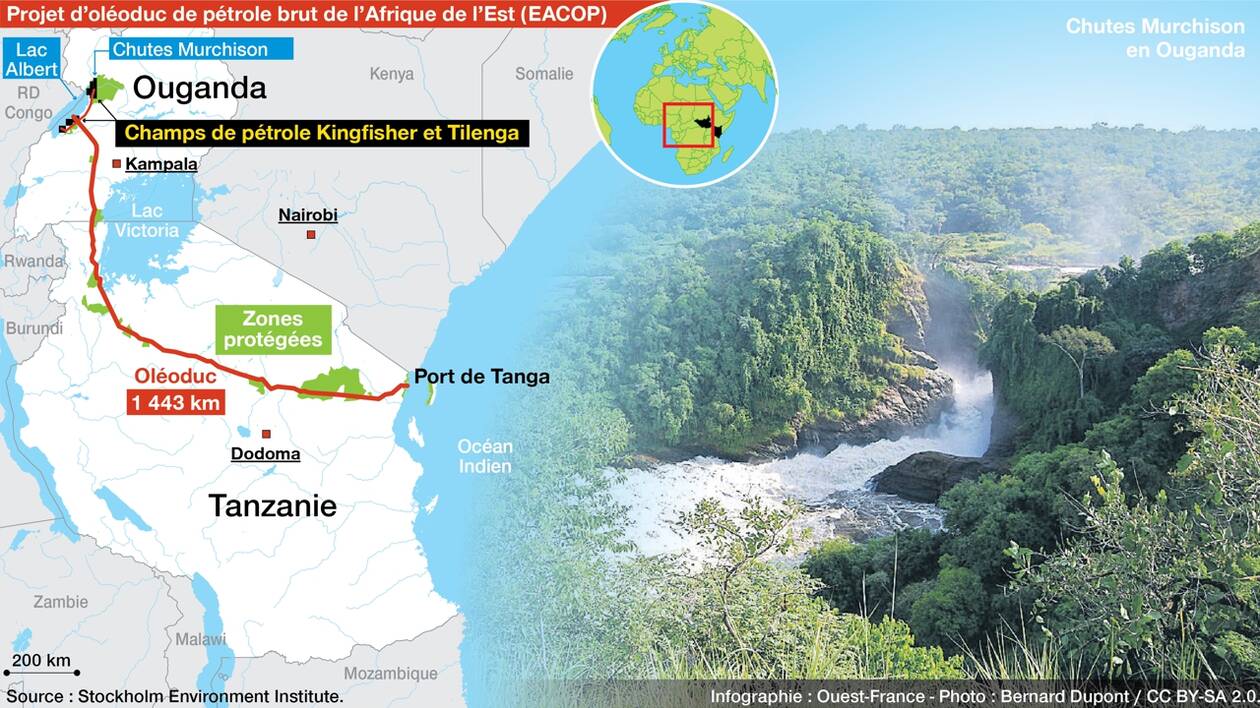
| Uganda | 2.5 billion bbl (proven) | N/A | N/A (Tilenga, Kingfisher South projects) | 200,000 bpd by the 2030s |
V. Economic and Social Implications of the New Discoveries
A. Potential Benefits: Growth and Energy Security
New oil and gas discoveries in Africa are seen as a major lever for economic growth and for strengthening the continent's energy security. These projects are considered transformative, capable of boosting local employment and developing infrastructure. The Eban-Akoma discoveries in Ghana, for example, are expected to fuel economic transformation, improve energy security, and stimulate the country's industrialization. Similarly, the Venus discovery in Namibia could be a game changer, attracting significant investment in infrastructure and production facilities.
Congo-Brazzaville's gas sector offers investment opportunities in gas-to-power projects, pipeline development, and power generation. In Nigeria, the Dangote refinery and the rehabilitation of state-owned refineries aim to boost domestic and midstream economic activity, reducing dependence on fuel imports and stabilizing prices. The African Energy Chamber (AEC) stresses that Africa cannot afford to leave these resources untapped, given that more than 600 million people lack access to electricity and more than 900 million lack access to clean cooking solutions.
These new fields and projects aim to strengthen the energy security of African nations. The Greater Tortue Ahmeyim project, for example, will supply gas for domestic consumption in Mauritania and Senegal. In Libya, Eni's projects bolster investor confidence and will contribute to regional energy security. In Congo, gas production will ensure a stable supply for domestic power generation and support gas-to-power projects.
B. Challenges and Risks: The "Resource Curse"
Despite the promise of growth and energy security, hydrocarbon exploitation in Africa often runs up against the "resource curse," a phenomenon in which an abundance of non-renewable resources does not always translate into sustainable economic and social development.
The "paradox of plenty" or "resource curse" suggests that resource-rich countries tend to have lower levels of economic development and growth than those without such resources. A study of 12 sub-Saharan African countries between 2001 and 2020 showed that the anticipated benefits, notably government revenues, were not achieved, leading to debt repayment crises. Countries dependent on oil wealth face serious strain if the global energy transition affects oil prices and demand, resulting in revenue losses, debt burdens, and social crises. Investment in South Africa's oil and gas industry, for example, is judged unlikely to generate significant tax revenue or long-term GDP growth. Although oil demand is expected to peak within the next decade, more than half of current consumption will persist until 2050. However, 2025 could see a scenario reminiscent of 2015, with significant price drops due to oversupply.
There is little evidence that oil and gas exploitation naturally leads to improved living conditions; it often leads to deterioration for the majority of the population. Compensation for environmental damage and displaced livelihoods is limited, and unemployment and poverty rates remain high. Landowners and residents have historically been excluded from revenues and benefits. The localized influx of capital and labor can strain public infrastructure, increasing poverty rates, health problems, infant mortality, gender and economic inequality, and crime.
Hydrocarbon wealth in Africa is a double-edged sword. While some sources highlight the potential for "economic transformation," "energy security," and "industrialization" , other documents describe a contrasting reality of the "resource curse," unfulfilled job promises, and negative social impacts. This is not a simple cost-benefit calculation but a complex interplay in which potential benefits are often undermined by systemic problems. This indicates that the mere discovery and extraction of hydrocarbons is not enough for sustainable development. Without robust governance, transparent revenue management, and equitable distribution mechanisms, the economic and social benefits risk being severely reduced or even cancelled out, leading to greater inequality and instability.
A growing threat is that of stranded assets and the debt burden in the context of the energy transition. One document explicitly warns that "if political pressure on climate change intensifies on developed-economy governments and forces a shift toward renewables, it will affect oil prices and lead to the collapse of some, if not all, of the many oil and gas projects in Africa." It also mentions that "approximately $245 billion of ongoing gas investment through 2030 is at risk of becoming stranded assets." This situation is compounded by the fact that many oil-producing African countries are already "dependent on oil wealth" and face a "debt repayment crisis." This poses a critical dilemma for African nations: while current global demand and energy poverty require continued hydrocarbon development, the long-term financial viability of these projects is increasingly uncertain because of global energy transition pressures. This implies the need for urgent economic diversification strategies to reduce dependence on fossil fuel revenues and mitigate the risk of financial instability and debt crises in the future.
VI. Environmental and Social Issues
The development of new oil and gas fields in Africa raises complex environmental and social issues, often sources of tension between development imperatives and sustainability concerns.
Increased investment in fossil fuels will raise Africa's carbon emissions and its contribution to global climate change. If major upstream oil and gas projects materialize, they will add 4.54 billion tonnes of CO2 equivalent, more than three times Africa's emissions in 2021. Approximately 7 million barrels of oil equivalent per day produced in Africa in 2025 will add 1.08 billion tonnes of CO2 equivalent per year. This situation is particularly dangerous for Africa, which already bears a disproportionate share of the impacts of climate change.
Large-scale oil and gas exploration and production are associated with environmental degradation and pollution, including the destruction of natural forests, air and ocean pollution, and the displacement of indigenous peoples. Oil spills render land and waterways inaccessible and unproductive, leading to deforestation and the exploitation of marginal lands. These spills can reduce household food security by 60% and affect the nutritional content of crops, potentially increasing child malnutrition. Pollution is also linked to tens of thousands of infant deaths each year, as well as an increased risk of kidney damage, cancer, diabetes, Alzheimer's disease, and Parkinson's disease.
On the social front, the lack of investment by government or the oil industry in social infrastructure (hospitals, schools, running water) is a major problem. The large influx of capital and labor into oil-producing areas strains public infrastructure and increases poverty rates, health problems, high infant mortality, gender and economic inequality, and crime. Land acquisition and environmental degradation displace families and communities from their homes, rivers, and farmland, affecting community life and social ties. The marginalization of indigenous communities through land grabbing and unequal representation in political decision-making is also an issue.
The conflict between development imperatives and environmental protection is intensifying. African nations and the African Energy Chamber (AEC) insist on the need to use hydrocarbon resources to tackle severe energy poverty (600 million people without electricity, 900 million without clean cooking solutions) and stimulate economic growth. By contrast, environmental groups and various studies highlight the serious environmental degradation, rising carbon emissions, and profound social costs (health impacts, displacement, lack of infrastructure) associated with these projects. The AEC's strong condemnation of Greenpeace underscores the intensity of this conflict. This conflict is not merely ideological; it is a practical and ethical dilemma for African governments and their international partners. It calls for a more nuanced approach to development that genuinely integrates environmental protection and social equity, going beyond superficial consultations to ensure that the benefits of resource extraction truly accrue to local populations and do not exacerbate existing vulnerabilities or contribute disproportionately to global climate change.
The "resource curse" often manifests as a failure of governance and social equity. Although the "resource curse" is mentioned in economic terms , the information on social and environmental impacts provides concrete examples of how it manifests: "limited compensation," "high rates of unemployment and poverty," "lack of investment by government or the oil industry in social infrastructure," "poor health and well-being linked to water, air, and soil pollution," and "marginalization of indigenous communities." This is not only about GDP figures; it is about the failure of governance to translate resource wealth into tangible improvements in human well-being and to protect vulnerable communities. This implies that the challenges are not inherent to the resources themselves but to the institutional frameworks and power dynamics surrounding their extraction. Future projects must prioritize robust governance, transparent revenue management, strict regulatory enforcement of environmental protection, and genuine community engagement and benefit-sharing mechanisms to avoid repeating past failures and ensure equitable development.
VII. Outlook and Strategic Recommendations
Summary of Opportunities and Challenges for Africa's Oil and Gas Sector
Africa's oil and gas sector stands at a crossroads in 2025, characterized by a set of complex opportunities and challenges. The opportunities are immense: Africa's under-explored hydrocarbon resources and its leading role in high-impact exploration offer considerable potential for new discoveries and reserve additions. Increased investment, particularly in LNG projects and from national oil companies (NOCs) , signals a phase of dynamic growth. Policy changes in key countries are also attracting foreign capital.
However, significant challenges persist. The specter of the "resource curse" , the potential for price volatility , and the risks of debt burdens and stranded assets due to the global energy transition are significant economic threats. Environmental degradation, social displacement, and the inequitable distribution of benefits remain critical social challenges.
The Importance of Governance, Transparency, and Economic Diversification
To navigate this complex landscape successfully, it is vital to reduce corruption, promote intergenerational equity, and negotiate more advantageous and transparent contracts with oil companies. Better management and allocation of oil and gas revenues can foster economic diversification and lay the foundations for higher, more stable growth. The African Energy Chamber (AEC) aims to attract capital, technology, and expertise to drive socio-economic development and eradicate energy poverty by 2030.
The Need to Integrate Sustainable Development Goals and the Energy Transition
Many NOCs are diversifying their portfolios by investing in solar, wind, and hydrogen in order to reduce their dependence on fossil fuels and enter new growth markets. Projects such as the A&E Structures in Libya incorporate CO2 storage to reduce emissions. Balancing the satisfaction of current oil demand with preparing for a cleaner, more sustainable energy future will define NOCs' long-term success.
Recommendations for Policymakers and Industry Players
The current situation demands a strategic and proactive approach from governments and industry players.
For governments:
- Strengthen regulatory frameworks and governance: It is imperative to ensure transparency, accountability, and equitable revenue sharing in order to mitigate the effects of the "resource curse."
- Prioritize local content and skills transfer: Maximize value creation and job opportunities in the country.
- Invest hydrocarbon revenues strategically: Allocate revenues to economic diversification, particularly in non-oil sectors and renewable energy, in order to build resilience against price volatility and energy transition risks.
- Foster a stable and attractive investment climate: Implement consistent and predictable policies and efficient bureaucratic processes.
For industry players (IOCs and NOCs):
- Adopt best practices in environmental protection and social responsibility: Go beyond mere compliance to engage proactively and mitigate impacts.
- Invest in emissions-reduction technologies: Deploy solutions such as carbon capture and flaring reduction to align with global climate goals.
- Establish active partnerships with local communities and governments: Ensure shared value creation and manage social impacts transparently.
- Explore and invest in diversified energy portfolios: Include renewable energy to align with long-term global energy trends.
There is an urgent need to diversify and strengthen governance in a world in transition. The report highlights Africa's immense hydrocarbon potential and the current increase in investment. However, it also stresses the long-term risks: peak oil demand , stranded assets , and the "resource curse." The efforts of some NOCs to diversify into renewable energy and to integrate carbon management are nascent responses. This suggests that relying solely on increasing hydrocarbon production is a short-term strategy. African nations must urgently and proactively implement robust governance frameworks and accelerate economic diversification, including significant investment in renewable energy, to build resilient economies capable of withstanding future commodity price shocks and the inevitable shift toward non-fossil energy. The window of opportunity to leverage hydrocarbon wealth for sustainable development is limited.
Finally, it is imperative to promote a "just energy transition" defined by Africa itself. The AEC's firm stance against environmental groups and its insistence on energy poverty underscore Africa's unique perspective on the energy transition. The continent must use its resources for its development, while facing disproportionate climate impacts. The concept of a "just energy transition" is central. Recommendations should not impose a West-centered model of energy transition, but rather advocate for a model that prioritizes Africa's development needs, enabling responsible exploitation of hydrocarbons to fund essential infrastructure and industrialization, while simultaneously strengthening renewable energy capacity. This requires international cooperation that respects Africa's right to develop its resources responsibly, rather than dictating a rapid phase-out that could exacerbate energy poverty.


 Sudan
 Uganda