Foreign Oil and Gas Companies in Africa: Operations, Impacts and Future Outlook
Africa holds vast hydrocarbon reserves, and international oil companies bring the capital, technology and expertise to develop them. This report examines their operations, impacts and outlook.
 By the editorial teamPetrole.Africa
Executive Summary
Africa holds a strategic position in the global oil and gas industry, thanks to its vast hydrocarbon reserves. International oil companies (IOCs) play a leading role there, providing the capital, technology and expertise essential to exploration, production and infrastructure development. In 2024, foreign investment in Africa reached a record $97 billion , with capital expenditure projections for Africa's oil and gas sector reaching $54 billion by 2030. This momentum is driven by deepwater projects and liquefied natural gas (LNG) initiatives that position the continent as a crucial energy hub.
However, the sector faces persistent challenges. Political instability, corruption and security threats, such as vandalism and oil theft, hinder the full realization of production potential and deter investment. Environmental impacts and social controversies, notably around pipeline projects and waste spills, are putting growing pressure on IOCs to adopt more responsible and transparent practices. In response, African governments are implementing regulatory reforms aimed at attracting investment while strengthening local content and the share of revenue retained nationally.
The global energy transition is complicating the landscape, prompting Africa to maximize the value of its fossil resources while exploring renewable energy. Natural gas is seen as a vital "transition fuel" for the continent's economic development. To ensure sustainable and mutually beneficial growth, closer collaboration between governments and IOCs is imperative, focused on governance, regulatory stability, local capacity building and responsible investment.
Introduction
Africa, with its immense hydrocarbon reserves, positions itself as a player of paramount strategic importance on the global energy stage. The oil and gas sector is a fundamental economic pillar for many nations on the continent, generating substantial revenue and attracting considerable flows of foreign investment. These resources not only fuel local economic growth but also contribute significantly to the global energy supply.
At the heart of this dynamic are the international oil companies (IOCs), whose role has historically been predominant. These entities provide the capital, cutting-edge technology and technical expertise needed to explore complex fields, produce at scale and develop sophisticated energy infrastructure. Their presence and operations have shaped Africa's energy landscape, but they are also at the center of complex discussions concerning the distribution of wealth, environmental and social impacts, and adaptation to the imperatives of the global energy transition.
This report aims to offer a comprehensive and nuanced analysis of the operations of foreign companies in Africa's oil and gas sector. It will explore their geographic presence, the nature of their key projects, investment trends and the regulatory frameworks that govern their activities. It will also examine the operational challenges and risks inherent in this sector, highlight socio-economic contributions and corporate social responsibility (CSR) initiatives, and discuss the profound impact of the energy transition on their strategies and on the continent's future prospects. The goal is to provide an in-depth understanding of the many facets of this crucial industry, informing decision-makers about current dynamics and future directions.
I. Key Producing Countries and Major Foreign Players
1.1. Leading African Countries in Oil and Gas Production
Africa is a continent rich in energy resources, and its contribution to global oil and gas production is substantial. Total crude oil and condensate production on the continent increased by 2.31% in 2023 compared with 2022, which shows a degree of momentum despite the challenges inherent in the sector.
Among Africa's main crude oil producers, Nigeria and Libya stand out. In May 2025, Nigeria posted production of 1,453 thousand barrels per day (BBL/D/1K), closely followed by Libya with 1,366 thousand barrels per day. Other nations such as Algeria, Egypt, the Republic of the Congo, Gabon, Ghana, Chad, Niger, Côte d'Ivoire, Cameroon, Equatorial Guinea, Sudan and Tunisia also contribute significantly to the continent's oil production. For natural gas, Algeria, Nigeria, Angola, Libya and Egypt are the main producers.
These countries are at the heart of international oil companies' (IOCs') operations because of their vast reserves and production potential. However, African production dynamics, though resilient, are inherently volatile. For example, Nigeria's national liquids production has fallen 40% from its 2005 peak and the country is struggling to meet its OPEC quotas, averaging only 1.4 million barrels per day in the first quarter of 2025 owing to problems such as theft, vandalism and stalled projects. This situation shows that, despite the potential and investment efforts, internal factors such as security instability and infrastructure failures have a direct impact on production capacity.
The resilience seen in overall African production, despite these national declines, suggests that investments and discoveries in other countries are offsetting these decreases, or that the supermajors are showing agility in redirecting their efforts. This reality underscores the importance for investors of diversifying their geographic portfolios across the continent in order to mitigate country-specific risks.
1.2. Main International Oil Companies (IOCs) Operating in Africa
The African oil and gas market is dominated by several international oil companies (IOCs) that stand out for their strategic positioning and their ability to adapt to market demands. Shell PLC, TotalEnergies SE, Eni SpA, Exxon Mobil Corporation, Chevron Corporation and BP PLC are recognized as leaders in this market. Alongside them, other notable players such as Equinor, Tullow Oil and Cairn Energy PLC (now Capricorn Energy PLC) also play important roles, together with national oil companies (NOCs) such as the Nigerian National Petroleum Corporation (NNPC), the Ghana National Petroleum Corporation (GNPC), Sonatrach (Algeria) and Sonangol (Angola).
The presence of these IOCs is diverse across the continent:
- Shell PLC maintains a robust presence in key regions, notably in Nigeria, where it is advancing major deepwater projects such as Bonga North ($5 billion) and Bonga Southwest-Aparo ($8 billion), targeting first production by mid-2027. The company is also present in Morocco, South Africa (where it operates the SAPREF refinery in a joint venture with BP) and Tunisia.
- TotalEnergies SE stands out for a strategically diversified product offering and a strong presence. Its operations span Angola (Kaombo Complex, Block 0), Libya (El-Sharara, Waha Concession Fields), Nigeria (Ubeta, IMA, NLNG Train 7), Uganda (Tilenga), Tanzania (EACOP), South Africa (Orange Basin) and Mozambique (Mozambique LNG).
- Eni SpA is strategically positioned in regions with high gas potential. Its activities extend to Algeria (Zemoul El Kbar), Angola, Côte d'Ivoire (Baleine field), Egypt (Zohr gas field, Petrobel joint venture), Ghana (OCTP), Libya (Structures A&E), Mozambique (Coral South, Rovuma LNG), Nigeria (Green River Project), the Republic of the Congo (Congo LNG, Marine XII) and Tunisia.
- Exxon Mobil Corporation is known for its strategic alliances and technological advances. It is present in Angola (Kaombo Complex, Block 0, Dalia, CLOV Complex, Blocks 15, 17, 31, 32), Egypt, Mozambique (Area 4, Rovuma LNG), Nigeria (OML 104, 67, 68, 70, Usan, Owowo, Erha) and Namibia (Namibe Basin).
- Chevron Corporation operates in Nigeria (OML 49, 90, 95, Agbami field, Usan field, OML 140, OML 138, West African Gas Pipeline) and Angola (Block 0, Dalia, CLOV Complex, Angola LNG, Quiluma and Maboqueiro fields, Lianzi unitization area). The company sold its interests in Chad in 2014.
- BP PLC is well positioned with a broad offering. It operates in Mauritania and Senegal (Greater Tortue Ahmeyim LNG project - GTA Phase 1) and in Egypt (Raven field).
- Equinor has a presence in Algeria (In Amenas, In Salah, Hassi Mouina), Angola (Block 0, Dalia, CLOV Complex, Blocks 4, 15, 17, 31), Libya (Mabruk oil field) and Tanzania (Tanzania LNG).
- Tullow Oil concentrates its production in West Africa (Ghana - Jubilee and TEN fields, Gabon, Côte d'Ivoire) and has made significant discoveries in East Africa (Kenya).
- Cairn Energy PLC (now Capricorn Energy PLC) focused its exploration activities in West Africa (Côte d'Ivoire) and sold its interests in Senegal in late 2020. It acquired onshore assets in Egypt (Western Desert, Obaiyed, Badr El Din, NEAG, AESW).
The table below offers a quick overview of the geographic presence of the major players, making it possible to identify the main operators by country and understand the concentration of IOC activities.
Table 1: Main Foreign Oil and Gas Companies in Africa and Key Countries of Operation
| Company | Key Countries of Operation | Types of Operations (Examples) |
|---|---|---|
| Shell PLC | Nigeria, Morocco, South Africa, Tunisia, Libya | Exploration, Production (Bonga North, Bonga Southwest-Aparo), Refining (SAPREF), Distribution |
| TotalEnergies SE | Angola, Libya, Nigeria, Uganda, Tanzania, South Africa, Mozambique | Exploration, Production (Tilenga, Kaombo, Ubeta), LNG (Mozambique LNG), Pipelines (EACOP) |
| Eni SpA | Algeria, Angola, Côte d'Ivoire, Egypt, Ghana, Libya, Mozambique, Nigeria, Rep. of the Congo, Tunisia | Exploration, Production (Baleine, Zohr, OCTP), LNG (Coral South, Rovuma LNG, Congo LNG), Biorefining |
| Exxon Mobil Corporation | Angola, Egypt, Mozambique, Nigeria, Namibia | Exploration, Production (Kizomba, OML 104), LNG (Rovuma LNG), Refining, Distribution |
| Chevron Corporation | Nigeria, Angola, Rep. of the Congo | Exploration, Production (Agbami, Usan), LNG (Angola LNG), Pipelines (West African Gas Pipeline, Lianzi) |
| BP PLC | Mauritania, Senegal, Egypt | Exploration, Production, LNG (Greater Tortue Ahmeyim), Gas (Raven) |
| Equinor | Algeria, Angola, Libya, Tanzania | Exploration, Production (In Amenas, In Salah) |
| Tullow Oil | Ghana, Gabon, Côte d'Ivoire, Kenya | Exploration, Production (Jubilee, TEN) |
| Capricorn Energy PLC (formerly Cairn Energy) | Egypt, Côte d'Ivoire | Production (Western Desert), Exploration |
Export to Sheets
II. Operations and Strategic Projects of Foreign Companies
2.1. Exploration and Production Activities
IOCs' exploration and production activities in Africa are increasingly focused on deepwater and ultra-deepwater projects, which have become major growth drivers requiring cutting-edge technology.
Shell is actively advancing the Bonga North deepwater oil and gas field in Nigeria, a $5 billion project expected to begin production by mid-2027. The Bonga Southwest-Aparo project, estimated at $8 billion, is also close to a Final Investment Decision (FID), demonstrating Shell's long-term commitment to the region.
TotalEnergies is a key player with significant projects. In Uganda, the company operates the Tilenga project, which involves developing six fields and drilling about 400 wells. This project is linked to the East African Crude Oil Pipeline (EACOP), which extends to Tanzania. These initiatives are considered to have low CO2 emissions compared with projects of similar size. The Kaombo complex in Angola is an example of an innovative ultra-deepwater project for TotalEnergies. In Nigeria, the Ubeta field is expected to reach plateau production of about 70,000 barrels of oil equivalent per day by 2027, and the IMA project is at the FID stage for 2026.
Eni made a major discovery with the Baleine field in Côte d'Ivoire in 2021, with targeted production of 60,000 barrels of oil per day and 70 million standard cubic feet of gas per day.
ExxonMobil holds interests in several deepwater blocks in Angola, including the Kizomba A, B, C, Dalia, Pazflor, PSVM and AB32 Southeast Hub projects, as well as in Nigeria, where it operates five deepwater blocks, including OML 104, 67, 68, 70, Usan, Owowo and Erha.
Chevron operates the Agbami field in Nigeria, one of the country's largest deepwater discoveries, and also holds interests in other deepwater blocks in Nigeria and Angola.
Africa is also the scene of significant new discoveries. In 2024, the continent accounted for 35% of globally discovered volumes, a notable increase from the 7% recorded in 2023. Key exploration areas include the Southwest African coastal basin, in particular the Orange sub-basin (Namibia, South Africa), and the Côte d'Ivoire basin. Galp's Mopane 1X discovery in Namibia is the world's largest discovery of 2024, underscoring the region's untapped potential. In May 2025, Turkey announced the discovery of 20 billion barrels of commercially viable crude oil off the coast of Somalia. Meanwhile, the Chinese company CNOOC launched exploratory drilling in Gabon in early 2023.
The direction of major investments toward gas projects (such as Ubeta, IMA, Mozambique LNG, GTA) and deepwater discoveries (Bonga North, Baleine, Venus) indicates that IOCs are striving to tap Africa's vast gas potential. This strategy responds to growing global demand for gas, often considered a "transition fuel" in the context of the energy transition. In addition, the focus on offshore reserves is seen as a way to mitigate the security and operational risks that affect onshore assets. This shift in investment strategies could lead to a concentration of capital in specific regions such as West Africa, East Africa, Namibia and South Africa, thereby increasing the need for deepwater drilling and production technologies, potentially at the expense of more mature and riskier onshore assets.
2.2. Liquefied Natural Gas (LNG) and Gas Infrastructure Projects
Africa is on its way to becoming a central player in the global liquefied natural gas (LNG) industry. About 20% of the world's LNG capacity currently under development, or about 93 million tonnes per annum (Mtpa), is located on the continent. This growth is fueled by several large-scale LNG projects:
- The Mozambique LNG project, led by TotalEnergies, represents a $20 billion investment. It aims to develop more than 75 trillion cubic feet (TCF) of gas, with construction planned for 2024 and a capacity of 13 Mtpa.
- The Rovuma LNG project in Mozambique, involving ExxonMobil and Eni, is valued at $30 billion and contains 85 TCF of reserves. Its production is expected to start in 2025, with a capacity of 15.2 Mtpa. The recent acquisition of a 10% stake by Abu Dhabi National Oil Company in the Rovuma Area 4 concession underscores the growing interest of Gulf players in this market.
- Tanzania LNG is a $42 billion project, with reserves estimated between 16 and 20 TCF. It plans the construction of five LNG trains with a total capacity of 10 Mtpa.
- The cross-border Greater Tortue Ahmeyim (GTA) project, operated by BP and Kosmos Energy in Mauritania and Senegal, is expected to produce between 2.3 and 2.4 million tonnes of LNG per year, with a first LNG cargo delivered in April 2025.
- In the Republic of the Congo, Eni's Congo LNG project allocates surplus gas to domestic needs and to export, thereby contributing to the diversification of Europe's energy supplies.
- Angola LNG, one of Africa's largest LNG facilities, processes 1.1 billion cubic feet of natural gas per day. Chevron is increasing its investments to ensure the gas supply to this facility.
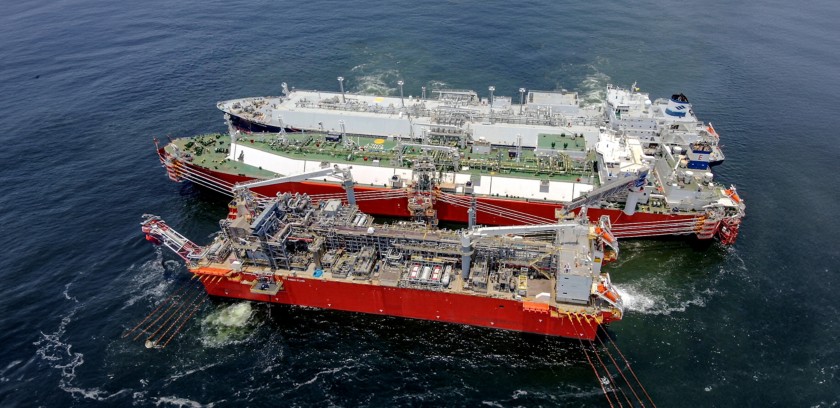
- In Gabon, Perenco's Cap Lopez LNG terminal, a $2 billion development, will introduce a floating liquefied natural gas (FLNG) vessel to monetize offshore gas reserves and reduce flaring.
Alongside LNG projects, the development of transnational gas infrastructure is under way:
- The Nigeria-Morocco Gas Pipeline, a $25 billion, 5,600 km project, is designed to carry 30 billion cubic meters of gas per year from the Niger Delta to Morocco and Europe, crossing 13 African countries.
- The Trans-Sahara Gas Pipeline (TSGP), a $13 billion project of more than 4,000 km, will connect Nigeria, Niger and Algeria to deliver 30 billion cubic meters of gas per year to Europe.
Africa is clearly positioning itself as a strategic LNG hub for global energy security. The continent's LNG production capacity is expected to increase considerably, with numerous major projects under development. This expansion is crucial to meeting growing global gas demand, particularly in Europe, which is seeking to diversify its supply sources. However, realizing this potential is held back by persistent challenges. Some projects, such as Tanzania LNG, have experienced delays due to government complications. In addition, operational problems such as vandalism in Nigeria hinder the full capitalization of the country's gas resources. These delays and challenges underscore the need for stable regulatory frameworks and improved security to attract and sustain the investment needed to fulfill these ambitions. IOCs must carefully assess political and operational risks alongside market opportunities.
2.3. Downstream Operations and Diversification
International oil companies in Africa are not limited to upstream exploration and production activities; they are also engaged in downstream operations and are exploring diversification paths to adapt to the changing global energy landscape.
In refining and distribution, ExxonMobil Egypt, with more than 120 years of history, is a leading supplier of lubricants and fuels, with an extensive network of retail stores. Similarly, Shell and BP jointly hold 50% of SAPREF, a refinery in South Africa, underscoring their commitment to local processing of hydrocarbons. The establishment of national refineries by African countries themselves is a growing trend, aimed at reducing import dependence and creating local added value, which could reshape the continent's energy landscape and stimulate long-term growth.
At the same time, a move toward investments in biofuels and renewable energy is noticeable, although the scale generally remains smaller than that of hydrocarbons. Eni, for example, is developing an innovative project to produce vegetable oil for biorefining in Kenya and Côte d'Ivoire, integrating local farmers' income into the sustainable mobility value chain. TotalEnergies, for its part, is pursuing a multi-energy strategy, notably by promoting LNG as a cleaner fuel for maritime and land transport. These initiatives reflect a growing recognition of the pressure exerted by the energy transition. Foreign investment in renewable energy in Africa has in fact increased significantly, with $2.8 billion invested in solar projects between 2019 and 2021. Players such as Masdar have committed to investing $2 billion in renewable energy in Africa by 2030, including green hydrogen projects in Mauritania.
IOCs are adopting a gradual diversification approach, integrating renewable energy and biofuels into their portfolios. This evolution indicates that, while maintaining their core oil and gas activities, these companies recognize the need to adapt to market changes and environmental concerns. They seek to capitalize on Africa's gas potential as a transition fuel while exploring opportunities in cleaner energy. This diversification could open new avenues for partnerships and technology transfer to African countries. However, it also raises the question of the balance between investments in fossil fuels and clean energy, particularly if the majors begin to deprioritize the development of certain oil and gas assets as the global energy transition advances.
The following table presents an overview of the major current and future projects of foreign companies in Africa, classified by country and type of operation.
Table 2: Major Current and Future Projects of Foreign Companies in Africa by Country and Type of Operation
| Project / Asset | IOC(s) Involved | Country | Type of Operation | Status / Key Date | Cost / Capacity (if available) |
|---|---|---|---|---|---|
| Bonga North | Shell PLC | Nigeria | Production (Deepwater) | First production mid-2027 | $5 billion (investment) |
| Bonga Southwest-Aparo | Shell PLC, ExxonMobil, Chevron | Nigeria | Production (Deepwater) | Close to FID | $8 billion (investment) |
| Tilenga | TotalEnergies SE | Uganda | Production, Development | Under development | Approximately 400 wells |
| EACOP Pipeline | TotalEnergies SE | Uganda, Tanzania | Transport (Pipeline) | Under construction | 1,443 km |
| Ubeta Gas Field | TotalEnergies SE | Nigeria | Production (Gas) | First production 2027 | $550 million (investment), 70,000 boe/d |
| IMA Gas Field | TotalEnergies SE | Nigeria | Production (Gas) | FID planned 2026 | 70,000 boe/d (plateau) |
| Kaombo Complex | TotalEnergies SE, ExxonMobil, China Petrochemical, Galp Energia SGPS, New Bright International Development | Angola | Production (Ultra-deepwater) | Operational | 650 million barrels (estimated reserves) |
| Baleine Field | Eni SpA | Côte d'Ivoire | Production (Oil & Gas) | Phase 2 launched, Phase 3 under study | 60,000 bpd oil, 70 million cubic feet/day gas (Phase 2) |
| Zohr Gas Field | Eni SpA (Petrobel JV) | Egypt | Production (Gas) | Operational, ongoing investment | $1.2 billion (field investment) |
| Coral South FLNG | Eni SpA | Mozambique | LNG (Ultra-deepwater) | Operational | World's first ultra-deepwater LNG project |
| Rovuma LNG | Exxon Mobil Corporation, Eni SpA | Mozambique | LNG | Production planned 2025 | $30 billion, 15.2 Mtpa |
| Area 4 Concession | Exxon Mobil Corporation | Mozambique | LNG, Exploration | Ongoing investment | 25% indirect interest |
| OML 104, 67, 68, 70 | Exxon Mobil Corporation | Nigeria | Production | Operational | 0.14 mmbpd in 2022 |
| Agbami Field | Chevron Corporation | Nigeria | Production (Deepwater) | Operational, infill drilling | 44,000 bpd in 2024 (net) |
| Angola LNG | Chevron Corporation | Angola | LNG | Operational | 1.1 billion cubic feet/day (capacity) |
| Quiluma & Maboqueiro Fields | Chevron Corporation, Azule Energy, Sonangol E&P, TotalEnergies SE | Angola | Production (Non-associated gas) | Production expected in the coming years | First non-associated gas project in Angola |
| Greater Tortue Ahmeyim (GTA) Phase 1 | BP PLC, Kosmos Energy | Mauritania, Senegal | LNG | First LNG cargo April 2025 | 2.3-2.4 million tonnes LNG/year |
| Raven Field | BP PLC | Egypt | Gas | Gas in production since Feb. 2025 | ~25,000 boe/d (peak) |
| Orange Basin | TotalEnergies SE, Galp | Namibia, South Africa | Exploration, Development | Venus discovery (Namibia), exploration (South Africa) | Mopane 1X discovery (Galp, Namibia) |
| Cap Lopez LNG Terminal | Perenco | Gabon | LNG (FLNG) | Production planned 2026 | $2 billion (development), 700,000 tonnes LNG |
| Zemoul El Kbar | Eni SpA, Sonatrach | Algeria | Development, Exploration | Contract signed in 2024 | $1.35 billion (exploration/development budget) |
| Structures A&E | Eni SpA, National Oil Corporation (NOC) | Libya | Gas | First production planned 2026 | $8 billion (investment), 750 million cubic feet/day (plateau) |
| Western Desert Assets | Capricorn Energy PLC, Cheiron Petroleum Corporation | Egypt | Production, Development, Exploration | Acquisition 2021, exploration drilling Q1 2025 | Consolidation of 8 concessions into one |
Export to Sheets
III. Investment and Regulatory Frameworks
3.1. Foreign Direct Investment (FDI) Trends
Foreign direct investment (FDI) in Africa has grown remarkably, reaching a record $97 billion in 2024, a 75% increase over the previous year. Even excluding a major international financing project for urban development in Egypt, FDI still rose by 12% to about $62 billion. This growth lifted Africa's share of global FDI from 4% to 6%.
European investors hold the largest stock of FDI in Africa, followed by the United States and China. Chinese investment, valued at $42 billion, shows notable diversification into sectors such as pharmaceuticals and food processing, with one-third of Belt and Road-related projects focused on social infrastructure and renewable energy.
International project finance (IPF) deals also grew, increasing 15% in value, mainly thanks to large energy and transport projects. Egypt, in particular, saw its IPF commitments more than double.
Despite growing FDI diversification into other sectors, oil and gas continue to attract substantial capital. Projections indicate that investment in Africa's oil and gas sector is expected to reach $43 billion in 2025, with forecasts of $54 billion by 2030, marking a ten-year high in capital expenditure. West Africa, with established oil giants such as Nigeria and Angola, is expected to account for more than half of the continent's capital expenditure through 2030, while North Africa (Libya, Algeria, Egypt) is expected to account for about 35%. Angola, in particular, plans $60 billion in upstream investment over the next five years, a strategy made possible by regulatory reforms and new block opportunities.
The increase in FDI in Africa is driven by the energy sector, but it comes with sectoral and geographic diversification. The sharp overall increase in FDI in 2024 is partly attributable to a major urban project in Egypt, and it should be noted that electricity and gas projects actually saw their value decline in some investment categories. However, capital expenditure projections for the oil and gas sector remain high. This reveals a nuanced investment landscape: hydrocarbons continue to attract considerable sums, but other sectors, including renewable energy, are gaining in importance. African governments are thus faced with the need to balance attracting investment for hydrocarbons with promoting economic diversification and renewable energy. This approach is essential to ensure sustainable growth and reduce dependence on commodity price fluctuations. For IOCs, this means navigating an environment in which opportunities are no longer limited exclusively to hydrocarbons but extend to a broader range of energy projects.
3.2. Revenue-Sharing Models and Agreements
The landscape of oil and gas operations in Africa is strongly characterized by strategic partnerships and revenue-sharing agreements between international oil companies (IOCs) and national oil companies (NOCs). It is estimated that more than 70% of the continent's total oil and gas production results from these joint ventures. These alliances make it possible to pool capital, share risks and facilitate the transfer of knowledge and technology essential to the industry.
Among the most common agreement models, Production Sharing Contracts (PSCs) predominate. Under this framework, the host country's government and the foreign company share production after the company has recovered its investment and operating costs. For example, ExxonMobil operates several deepwater blocks in Nigeria under PSCs. In Algeria, Eni signed a PSC with the NOC Sonatrach for the development and exploration of the Zemoul El Kbar area, an agreement that caps the foreign contractor's share at 49% of production or revenue. Equatorial Guinea has also used PSCs, signing three with Panoro Energy and Africa Oil Corporation to stimulate exploration.
Concessions represent another model, in which the right to explore and produce is granted through a concession agreement. Angola, for example, has implemented an ambitious strategy to award 50 concessions by 2025 to attract more investment.
As for fiscal regimes, African governments collect revenue from the oil and gas sector through various instruments. Royalties, based on the volume or value of the hydrocarbons extracted, are a common way to ensure a minimum payment and are relatively simple to administer. In addition there are corporate income taxes and various signature bonuses or lease payments. In Nigeria, for example, the 2021 Petroleum Industry Act (PIA) establishes a fiscal framework that includes signature bonuses, royalties and petroleum profit taxes.
Joint Ventures (JVs) are also important vehicles for collaboration. In Nigeria, the NNPC-SPDC-TotalEnergies-NAOC joint venture supplies 10% of the country's domestic gas and invests in community development. In Egypt, Petrobel, a 50/50 JV between the Egyptian General Petroleum Corporation and Eni, has allocated $1.2 billion to investment in the Zohr gas field. In Libya, Eni and the National Oil Corporation (NOC) formed a JV for the Structures A&E gas project, an $8 billion investment.
African governments are striving to maximize the value of their resources through regulatory reforms and strategic partnerships. Countries such as Angola, Nigeria and Gabon are implementing legislative reforms and licensing strategies to make their markets more attractive to foreign investment. The prevalence of PSCs and JVs illustrates a desire to share risks and knowledge while guaranteeing the State a share of revenue. This approach indicates a trend toward more investor-friendly frameworks, but with growing requirements for local content and benefit sharing. IOCs must therefore adapt their strategies to align with these new national requirements, which aim to secure a larger share of the value generated by resource exploitation for host countries.
3.3. Evolution of Regulatory Frameworks and Local Content Policies
The regulatory frameworks governing Africa's oil and gas sector are constantly evolving, reflecting governments' desire to maximize the benefits of their resources while attracting the foreign investment they need.
Several nations have undertaken significant legislative reforms:
- In Nigeria, the Petroleum Industry Act (PIA) of 2021 was enacted to modernize the industry, attract investment and promote sustainable development. However, key industry players already consider some of its provisions outdated, particularly with regard to the integration of artificial intelligence (AI) and digitalization, calling for further reforms to align the law with technological realities and current challenges.
- Angola has implemented an aggressive strategy, aiming to award 50 concessions by 2025, and has introduced regulatory reforms and flexible investment structures to attract foreign upstream capital.
- In Gabon, policy amendments are under way to improve the business climate and attract foreign capital, following the implementation of the Hydrocarbons Code in 2019.
- South Africa has published draft regulations for the Upstream Petroleum Resources Development Act, signaling a renewed commitment to a more modern, investor-focused framework for hydrocarbon exploration and production.
Alongside these reforms, local content policies (LCPs) have become a central element of regulatory frameworks. They are regarded as essential to maximizing the socio-economic benefits derived from resource exploitation. The main objective of LCPs is to promote local participation and to stimulate job creation, skills transfer and the development of local businesses. Nigeria and Angola, for example, have implemented stricter policies to maximize benefits for their economies. In Nigeria, the Nigerian Content Development and Monitoring Board (NCDMB) has played a decisive role, enabling indigenous producers to account for more than half of the country's oil and gas production.
However, implementing these LCPs is not without challenges. Regulatory inconsistencies, enforcement difficulties and the limited capacity of local industries can hinder their success.
African regulatory reforms aim to attract foreign direct investment while strengthening national control and local content, which creates a delicate balance. African countries are amending their laws to be more competitive internationally, as shown by the efforts of Angola, Gabon and South Africa. At the same time, they are imposing stricter local content requirements, as in Nigeria and Angola. Nigeria's case illustrates this complexity well: even recent legislation such as the PIA can quickly become obsolete in the face of technological developments and market challenges. This means IOCs face a constantly evolving regulatory landscape, where long-term stability is not always guaranteed. They must assess not only fiscal attractiveness but also host countries' ability to apply these policies consistently and to build local capacity. The success of LCPs and, more broadly, African countries' ability to maximize the benefits of their resources will depend on their ability to overcome structural gaps and fight corruption effectively.
IV. Operational Challenges and Risks
Africa's oil and gas sector, while rich in opportunities, is inherently tied to operational challenges and risks that can compromise project viability and the profitability of investments.
4.1. Political and Governance Risks
Political instability, lack of governance and corruption are major obstacles that deter investment in Africa's oil and gas sector. These political uncertainties can trap economies in a vicious circle of underdevelopment, because they discourage the capital needed for growth. Foreign investors' perception of political risk is often subjective, based on opinions rather than hard facts, which can divert potential capital and aggravate liquidity problems in the African oil and gas market.
Historical and contemporary examples include conflicts arising from the inequitable redistribution of oil revenue and the risks of expropriation, whether sudden or "creeping" through changes in taxation or production restrictions. The "resource curse" remains a major concern, directly affecting investor confidence. Reports indicate that corruption and political instability are major brakes on investment. The fact that foreign investors expect returns 3 to 5 times higher in Africa than in other regions because of these risks means that the cost of capital is higher, which can limit project development and make some fields less attractive. To attract sustainable, large-scale investment, it is imperative that African governments strengthen governance, transparency and the fight against corruption. Proactive management of risk perception, backed by concrete reforms and clear communication, is essential to creating a more stable and predictable investment environment.
4.2. Security Challenges
Security threats are a major obstacle to the success of oil and gas projects on the continent. These threats are varied, ranging from political instability and lack of governance to wars, local discontent and uneven distribution of wealth.
The impacts of these challenges are tangible and costly. Vandalism, oil theft and attacks by militant groups targeting infrastructure (pipelines, processing plants, wells) are recurring problems. In Nigeria, for example, theft and vandalism have made it difficult to meet OPEC quotas and have cost billions of dollars in revenue in the Niger Delta. In Libya, blockades and attacks caused a loss of at least $9.8 billion for the National Oil Corporation over a nine-month period in 2020. In Mozambique, the offshore gas industry, though promising, is threatened by terrorist groups targeting onshore facilities, such as the port of Afungi.
These security challenges have a direct bearing on the economic viability of projects in Africa. Theft and vandalism, or militant attacks, lead to production losses, increase operating costs and cause significant project delays. These risks are not only financial; they also affect logistics (such as oil transport) and the safety of personnel. As a result, IOCs must build robust security risk mitigation strategies into their investment plans. This includes not only the physical protection of infrastructure but also strong community engagement and support for local development. By addressing the root causes of conflict, such as poverty and inequitable distribution of wealth, companies can help reduce the motivations of militant groups. This situation may also favor offshore projects, often perceived as safer and less vulnerable to land-based threats than onshore operations.
4.3. Environmental Impacts and Controversies
Crude oil exploration and processing in Africa have historically been associated with serious environmental impacts. These include oil spills, gas flaring, waste discharges (drilling fluids, oily cuttings), and air and marine pollution from the operations of platforms, refineries and transport.
Several specific controversies have highlighted these concerns:
- The EACOP (East African Crude Oil Pipeline) project, led by TotalEnergies in Uganda and Tanzania, has been sharply criticized for potentially devastating the livelihoods of thousands of people and for the risk of generating decades of greenhouse gas (GHG) emissions. Allegations of human rights violations, including inadequate compensation for acquired land and pressure on opponents of the project, have been reported.
- In South Africa, TotalEnergies faced a lawsuit challenging offshore exploration approvals, arguing that environmental assessments were insufficient to address impacts on fishing communities, transboundary climate change and spill risks. The company reportedly withdrew from exploration in the disputed Block 5/6/7.
- Cases of pollution by foreign companies have been reported, notably the dumping of toxic waste (such as the Probo Koala case in Côte d'Ivoire) and the export of "dirty diesel", often with the consent of corrupt African governments.
- Gas flaring, the practice of burning the gas associated with oil extraction, is a major source of emissions. Companies such as Tullow Oil are committed to eliminating routine flaring by 2025 on their Jubilee and TEN fields in Ghana. Likewise, Perenco in Gabon is developing an FLNG project to monetize gas and reduce flaring.
The growing pressure on IOCs to adopt responsible environmental and social practices has become an imperative. The controversies surrounding projects such as EACOP and the lawsuits in South Africa demonstrate heightened scrutiny from non-governmental organizations (NGOs) and local communities. Allegations of pollution and non-compliance with standards highlight past shortcomings and the need for greater diligence. As a result, IOCs can no longer operate without rigorous attention to environmental, social and governance (ESG) standards. Reputational and legal risks linked to environmental and social impacts are increasingly significant, pushing companies to invest in cleaner technologies (such as flaring reduction) and to strengthen their CSR initiatives.
4.4. Operational Constraints
Beyond political, security and environmental risks, oil and gas companies operating in Africa face structural operational constraints that can affect their efficiency and profitability.
One of the main challenges lies in inadequate infrastructure. The lack of robust transport networks, such as reliable and sufficient pipelines, hinders the efficient movement of oil and gas from production sites to markets or export points. This considerably increases operating costs for companies, as they often have to resort to more expensive transport methods or face delays.
In addition, technology gaps are often observed. Limited access to advanced technologies undermines the efficiency of exploration and production. Many African nations still depend on external expertise and equipment for complex operations, which can lead to additional costs and dependence on foreign suppliers.
Finally, the volatility of global crude oil prices is a major external factor that directly affects the revenue and profitability of African nations heavily dependent on hydrocarbon exports. Price fluctuations can make long-term planning difficult for governments and companies, and affect the financial viability of projects.
Infrastructure development and technology transfer are imperatives for sustainable growth in the sector. Insufficient infrastructure and technology gaps increase costs and reduce operational efficiency. This means that even with abundant reserves, the full monetization of these resources is hindered. For African governments, it is crucial to prioritize investment in energy infrastructure and local skills training in order to strengthen the value chain. For IOCs, this represents an opportunity to invest in integrated projects that cover exploration, production, transport and processing. By strengthening partnerships that include technology transfer and local capacity building, companies can not only improve the efficiency of their operations but also strengthen their relations with host countries, which can contribute to greater stability and a stronger "social license to operate".
V. Socio-Economic Contributions and Corporate Social Responsibility (CSR)
Foreign oil and gas companies in Africa are increasingly aware of their role beyond mere resource extraction. Their socio-economic contributions and Corporate Social Responsibility (CSR) initiatives have become crucial aspects of their operations, often under pressure from local governments and civil society.
5.1. Local Content Development
Local content policies (LCPs) are essential instruments put in place by African governments to maximize the socio-economic benefits of resource exploitation and to promote the participation of local businesses and citizens in the oil and gas industry.
These policies primarily target job creation and training. They seek to stimulate local employment and the transfer of technical expertise to national workers. For example, TotalEnergies' Tilenga and EACOP projects in Uganda and Tanzania have created 21,386 direct jobs, exceeding expectations by 139%, and more than 60,000 indirect jobs. These projects have also provided 1.6 million hours of training to local workers, strengthening their technical and professional skills. For its part, Tullow Oil has set a 90% localization target in Ghana and has trained more than 15,000 young people in its skills development centers, with an 80% placement rate.
Support for local supply chains is another pillar of LCPs. IOCs are encouraged, even required, to source goods and services locally. In Nigeria, the Nigerian Content Development and Monitoring Board (NCDMB) has enabled indigenous producers to account for more than half of the country's oil and gas production, a notable local content success. TotalEnergies spent approximately $1.3 billion with local contractors during the construction phase of the Tilenga and EACOP projects. Tullow Oil works with Invest in Africa (IIA) to support local businesses and requires its international suppliers to source locally, thereby fostering capacity building and economic opportunities on the continent.
Local content has become a non-negotiable condition for obtaining the "social license to operate". African governments are actively legislating on local content , and IOCs publicize their successes in this area. This approach goes beyond mere regulatory compliance; it has become an essential way of managing community expectations and reducing potential tensions related to resource exploitation. IOCs must therefore embrace local content not as a constraint but as a strategic pillar of their investments, developing training, mentoring and financing programs for local businesses. A proactive approach to local content can improve operational stability and long-term profitability by strengthening ties with host economies and societies.
5.2. CSR and ESG Initiatives
Corporate Social Responsibility (CSR) and Environmental, Social, and Governance (ESG) frameworks have become increasingly important elements for companies operating in Africa. A 2021 PwC Africa report indicates that 68% of African companies consider ESG a critical component of their business strategy, recognizing the link between responsible business practices and long-term profitability.
Community investments are a major facet of these initiatives:
- ExxonMobil supports STEM (science, technology, engineering and mathematics) programs in Africa, makes community investments in Palma (Mozambique) and has donated computers to schools.
- Eni carries out a series of social projects, including health initiatives (Egypt), youth training programs (Egypt), water access projects (Kenya), small business promotion (Ghana), agricultural development (Ghana), education support (Ghana, Mozambique), energy access (Republic of the Congo) and the Green River project in Nigeria.
- TotalEnergies is engaged in biodiversity protection actions, such as supporting the reintroduction of the black rhinoceros in Uganda and the protection of chimpanzees. The company also implements compensation and resettlement programs for people affected by the Tilenga and EACOP projects.
- BP has set up social investment programs in Senegal focused on economic development, the environment, education and community health.
- Tullow Oil has developed "Care for People" initiatives (inclusive culture, health, safety, human rights) and contributed to socio-economic development with $731 million in 2024 in Ghana, including initiatives such as Tullow Agriventures.
- Cairn Energy (Capricorn Energy) has implemented projects for access to drinking water, hospital support, skills development, and agricultural and dairy projects.
Biodiversity and environmental protection is also a strong focus. TotalEnergies aims for a net positive impact on biodiversity for its Tilenga and EACOP projects. Tullow Oil is committed to minimizing its environmental impact and protecting biodiversity, with a new "No Net Loss" ambition.
Respect for human rights is a stated commitment of IOCs in their operations and supply chains, as shown by the policies of ExxonMobil and Tullow Oil.
CSR and ESG have moved from peripheral initiatives to strategic imperatives for IOCs in Africa. The proliferation of CSR initiatives (health, education, environment, local development) by IOCs and the integration of ESG frameworks into corporate strategies demonstrate a significant shift. Past environmental and social controversies have accelerated this awareness. IOCs now recognize that the sustainability of their operations in Africa depends on their ability to generate shared value and minimize negative impacts. Investors and stakeholders increasingly demand transparency and accountability. This implies significant investment beyond production alone, as well as closer and more authentic collaboration with local communities and governments.
VI. The Industry Facing the Energy Transition
The global energy transition toward cleaner energy sources and reduced carbon emissions has profound implications for Africa's oil and gas sector, creating both challenges and opportunities.
6.1. Implications of the Global Transition
The global energy transition, which is pushing the development of low-emission basins, could lead to the deprioritization of development in certain oil-producing countries in Africa. This increases the risk of stranded assets, where significant oil and gas reserves could remain undeveloped due to a lack of investment or uncertain future demand. The current dependence of African economies on fossil fuels also exposes them to global market volatility, as recent energy crises have shown.
In this context, Africa faces a dilemma: how to maximize the value of its fossil fuels during the transition while reducing its long-term dependence on these resources? The continent has vast hydrocarbon reserves and needs them for its economic development and industrialization. However, global pressure for decarbonization and the risk of stranded assets create tension. IOCs must navigate between the need to meet short-term energy demand and long-term climate goals. For African countries, this means developing energy strategies that balance the monetization of their oil and gas resources for economic development with gradual and substantial investment in renewable energy. IOCs, for their part, must demonstrate how their operations fit into a decarbonization trajectory, even as they continue to invest in hydrocarbons.
6.2. The Role of Natural Gas
In the context of the energy transition, natural gas is increasingly seen as a crucial "transition fuel" for Africa's energy security and industrialization. The continent has vast natural gas resources, estimated at 620 trillion cubic feet (TCF). Demand for natural gas in Africa is expected to increase by one-third between 2020 and 2030, driven by population growth and economic expansion.
LNG projects are considered essential for energy security, economic growth and job creation on the continent. Africa is expected to play a central role in the global LNG industry, with about 20% of global LNG capacity under development. Major projects such as Mozambique LNG, Rovuma LNG, Tanzania LNG, Greater Tortue Ahmeyim (GTA) in Mauritania and Senegal, Congo LNG and Angola LNG are under way or planned, underscoring the continent's potential to become a key gas supplier to global markets, notably Europe.
Natural gas is the keystone of Africa's short- and medium-term energy strategy. With gas abundant in Africa and domestic demand rising , gas is seen as a viable solution for the electrification and industrialization of the continent, while also offering export opportunities. This positions gas as a cleaner alternative to coal and oil for power generation, helping to reduce emissions while meeting growing energy needs. As a result, investment in gas infrastructure, including transnational pipelines such as the Nigeria-Morocco Gas Pipeline and the Trans-Sahara Gas Pipeline , will be prioritized. IOCs that focus their efforts on gas development may find more favorable ground with African governments, as this aligns with their development and emissions-reduction goals.
6.3. Investments in Renewable Energy
Alongside hydrocarbon development, Africa is making significant progress in renewable energy. Countries such as Kenya, Egypt and Morocco are at the forefront of solar, wind and geothermal projects. The continent's renewable energy potential is immense, and the sector could generate more than 4 million jobs by 2030 if current investment trends continue.
International oil companies (IOCs) recognize this potential and are increasing their investments in renewable energy in Africa. For example, Eni is engaged in biorefining projects in Kenya and Côte d'Ivoire. Players such as Masdar have committed to investing $2 billion in renewable energy in Africa by 2030, including green hydrogen projects in Mauritania. These foreign investments and collaborations are considered essential to advancing Africa's energy infrastructure.
IOCs recognize the potential of renewable energy in Africa and are investing in it, but the scale of these investments remains smaller than that of hydrocarbons. Although IOCs continue to invest heavily in oil and gas , some are also engaged in renewable energy and biofuel projects. However, capital expenditure on renewables, though growing, is still far from matching that allocated to hydrocarbons. This suggests a two-pronged strategy for IOCs: maximize the value of fossil assets in the short and medium term while positioning themselves in the clean energy market over the long term. African governments can further encourage these investments by creating stable regulatory frameworks and clear incentives for renewable energy projects, thereby fostering a balanced and sustainable energy transition.
VII. Outlook and Recommendations
7.1. Untapped Potential and New Frontiers
Africa remains a region of paramount importance to the global oil and gas industry, largely thanks to its vast untapped potential. The continent holds significant undiscovered reserves, particularly in deepwater basins such as the Orange sub-basin (Namibia, South Africa) and the Côte d'Ivoire basin. These areas are the scene of significant new discoveries, as shown by Galp's Mopane 1X discovery in Namibia, the world's largest discovery of 2024.
Beyond oil, untapped offshore gas represents a considerable growth opportunity. Africa is already the continent with the highest concentration of FLNG (Floating Liquefied Natural Gas) infrastructure in the world, and nearly two-thirds of its offshore gas resources remain undeveloped, making them ideal for FLNG technology. This geological potential is far from exhausted, and new "high-impact" discoveries continue to occur, confirming that Africa remains a major exploration frontier, particularly for gas and deepwater fields.
For IOCs with expertise in deepwater exploration and production and in LNG, these prospects offer continued opportunities. However, monetizing this potential will depend on their ability to manage the risks inherent to the continent and to adapt to local requirements for content and sustainable development.
7.2. Investment and Production Outlook
The investment and production outlook for Africa's oil and gas sector is ambitious. Capital expenditure in the sector is expected to reach $54 billion by 2030. Nigeria, for example, has set ambitious targets of doubling its oil production to 3 million barrels per day and its gas production to 12 billion cubic feet per day by 2030. Angola, for its part, plans $60 billion in upstream investment over the next five years, thanks to an aggressive licensing strategy and regulatory reforms. LNG production in Africa is also expected to increase considerably, notably in West Africa.
These production targets are ambitious, but achieving them will depend on resolving persistent structural challenges. Nigeria's track record, having struggled to meet its OPEC quotas because of security problems and vandalism , together with persistent infrastructure and regulatory challenges , suggests that these targets will be hard to reach without significant improvements. IOCs will need to realistically assess host countries' ability to create and maintain a stable environment conducive to investment. Close collaboration between governments and companies will be essential to overcome obstacles and realize the sector's full potential. A pragmatic approach and mutual commitment will be needed to turn these ambitions into concrete successes.
7.3. Strategic Recommendations
To ensure the sustainable and mutually beneficial development of Africa's oil and gas sector, strategic action is needed from both African governments and foreign companies.
For African governments:
- Improving governance and transparency: It is crucial to strengthen institutions, actively fight corruption and ensure an equitable redistribution of the revenue generated by hydrocarbons. Better governance attracts more stable investment and reduces political and social risks.
- Strengthening regulatory frameworks: Establishing clear, stable and predictable policies is essential for investors. This must be accompanied by consistent enforcement of local content laws, avoiding inconsistencies that can deter foreign capital.
- Economic diversification: Hydrocarbon revenue must be used strategically to invest in other economic sectors and develop infrastructure. This diversification is crucial to reducing dependence on oil price fluctuations and building more resilient and diversified economies.
- Security and infrastructure: Significant investment is needed to improve the security of oil and gas infrastructure and to develop transport networks. This will reduce operating costs and losses from theft and vandalism, and improve the overall efficiency of the sector.
For foreign companies:
- Greater integration of local content: IOCs must go beyond mere regulatory compliance and make local content a driver of shared value creation. This implies substantial investment in local skills training, technology transfer and local supplier development, thereby strengthening the national value chain.
- Strengthening ESG practices: It is imperative to fully integrate environmental, social and governance considerations into all operations and decision-making processes, particularly for sensitive projects. A proactive ESG approach helps manage reputational and legal risks and strengthens the "social license to operate".
- Balanced investments: Companies must maintain a strategic balance between investments in hydrocarbons (particularly gas, considered a transition fuel) and significant expansion in renewable energy. This approach aligns short-term strategies with the continent's long-term decarbonization and energy diversification goals.
- Strategic partnerships: Continuing to form strong joint ventures and partnerships with national oil companies and local players is essential to share risks, knowledge and benefits, thereby fostering sustainable and inclusive growth.
Conclusion
Africa's oil and gas sector remains a major economic pillar, whose development is profoundly influenced by the presence and operations of foreign companies. The continent, rich in vast hydrocarbon reserves, continues to attract growing foreign direct investment, with a marked focus on liquefied natural gas (LNG) projects and deepwater fields. This momentum positions Africa as a key player in global energy supply, notably in gas, seen as an essential transition fuel for the continent's development and industrialization.
However, the sector faces persistent and complex challenges. Political instability, corruption and security threats, such as vandalism and oil theft, continue to hinder the full realization of production potential and increase risks for investors. At the same time, environmental impacts and social controversies, often linked to large-scale projects, are putting growing pressure on IOCs to adopt more responsible and transparent practices. In response, African governments are pursuing regulatory reforms aimed at attracting capital while strengthening local content and the share of revenue retained nationally, seeking to maximize the benefits for their populations.
The future of Africa's oil and gas sector will depend on stronger and more nuanced collaboration between African governments and foreign companies. This collaboration must be founded on transparency, regulatory stability and a deep commitment to local content development. For IOCs, this means fully integrating ESG considerations into their strategies, investing in cleaner technologies, and balancing investments in hydrocarbons with significant expansion in renewable energy. For African governments, it means creating a predictable investment environment, fighting corruption effectively, and channeling hydrocarbon revenue toward economic diversification and resilient infrastructure development.
By adopting a holistic approach and cultivating mutually beneficial partnerships, Africa and foreign companies can not only ensure global energy security but also support the continent's sustainable development goals, turning today's challenges into opportunities for shared growth.


 Sudan