Petroleum Geology
An in-depth geological look at the petroleum system: how hydrocarbons form, migrate and accumulate in the subsurface, based on rocks, structures and basins.
 By the editorial teamPetrole.Africa
🎯 Learning objective
To provide an in-depth geological understanding of the petroleum system: how hydrocarbons form, migrate and accumulate in the subsurface, based on the analysis of rocks, structures and basins.
I. 🌍 What Is a Sedimentary Basin?
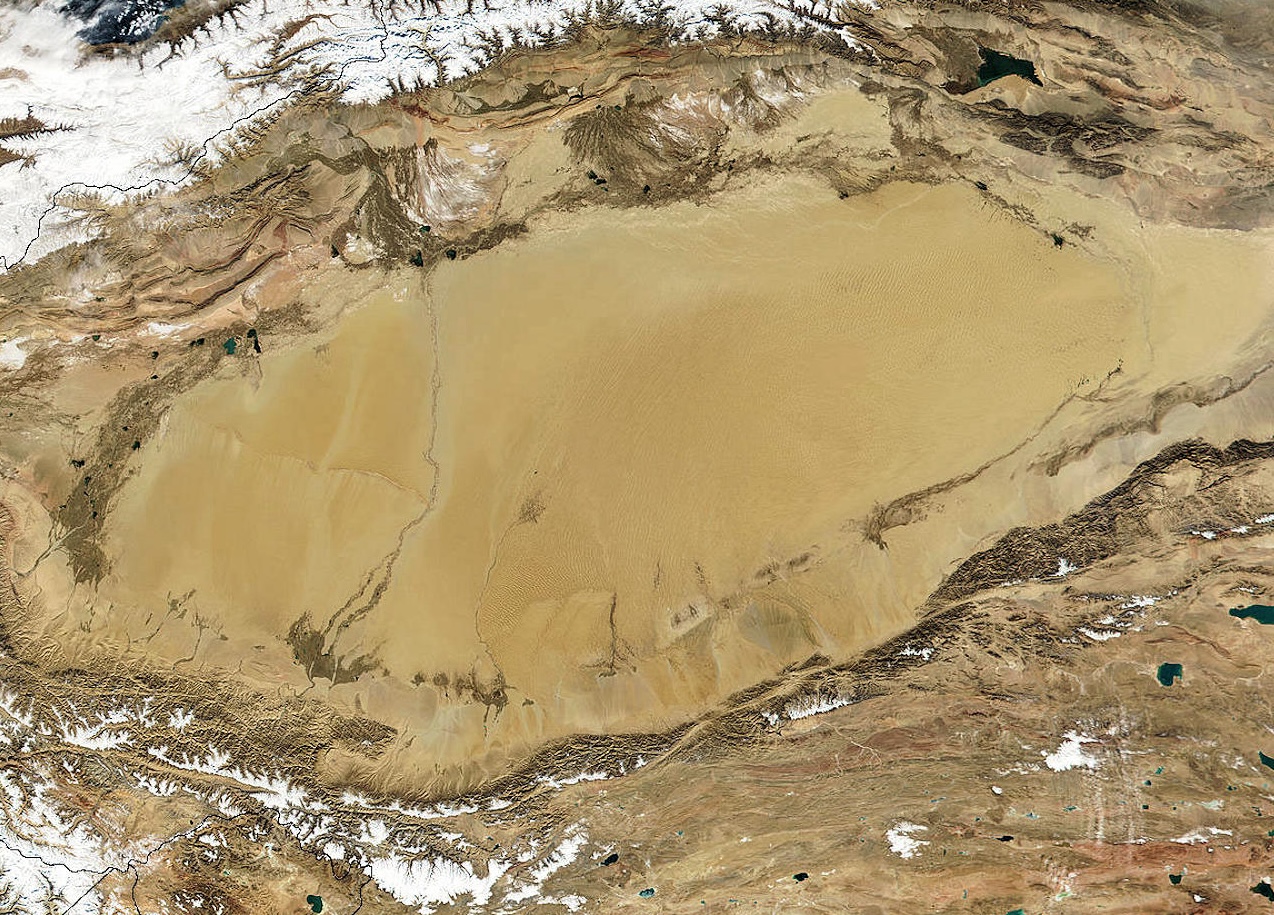
A sedimentary basin is a depression in the Earth's crust in which sediments have accumulated over millions of years. These environments are the only ones capable of generating oil, because they can trap the organic matter needed for its formation.
🧱 Types of Basins
| Basin type | Description | Examples in Africa |
|---|---|---|
| Continental rift | Stretching of the lithosphere, grabens | East African Rift basin |
| Passive margin basin | Post-rift sedimentation on the continental margin | Niger Delta, Angola Basin |
| Intracratonic basin | Stable interior depressions | Taoudeni Basin (Mali/Mauritania) |
| Flexural basin | Along the edges of mountain ranges | Maghreb (Tell, Atlas) |
🧭 Africa focus: The most prolific basins are those of the Gulf of Guinea (Nigeria, Angola), North Africa (Algeria, Libya) and East Africa (Uganda, Kenya).
II. 🪨 The Essential Rocks of the Petroleum System
A complete petroleum system requires three types of rock:
1. Source rock
This is the rock rich in organic matter that, under the effect of pressure and temperature, produces hydrocarbons.
- Nature: shales, clays, carbonates rich in organic matter
- Criteria:
- TOC (Total Organic Carbon) > 2%
- Presence of kerogen (type I, II or III)
- Good anoxic preservation
African example: Cretaceous shales of the Termit Basin (Niger)
2. Reservoir rock
This is the porous and permeable rock in which hydrocarbons can accumulate and flow.
- Nature: sandstones, limestones, dolomites
- Desired properties:
- Effective porosity ≥ 10%
- Permeability ≥ 100 mD (millidarcies)
- Good level of diagenesis (limited cementation)
African example: Upper Cretaceous sandstones of the Congo Basin (onshore)
3. Cap rock (or seal rock)
This is the impermeable rock that prevents hydrocarbons from escaping to the surface.
- Nature: clays, shales, salts, evaporites
- Properties: low permeability (<10⁻⁷ mD), possible plasticity
- Can form a stratigraphic or structural trap
African example: Miocene clay formation offshore Ghana
III. 🔄 Hydrocarbon Migration
After generation in the source rock, hydrocarbons migrate to the reservoir rock.
🔹 Primary migration
- Microscopic movement from the source rock into fractures
🔹 Secondary migration
- Movement within the reservoir rock driven by gravity or pressure
Conditions for successful migration:
- Structural dip
- Porosity connectivity
- Existence of geological traps updip
IV. 🧱 Petroleum Traps
A petroleum trap (or trap structure) is a geological structure where hydrocarbons accumulate, held in place by a cap rock.
A. Structural traps
| Type | Description | Illustration |
|---|---|---|
| Anticline | Convex fold, the most classic type | ⛰️ |
| Fault | Offset of a block by a vertical fault | ⛏️ |
| Salt dome | Salt uplift forming a radial trap | 🧂 |
Example: Anticline of the Hassi Messaoud field (Algeria)
B. Stratigraphic traps
- Sandstone lenses within impermeable formations
- Unconformities (truncations between layers)
- Fossil carbonate reefs
Example: Stratigraphic traps in the Niger Delta
V. 📐 Geological Studies Applied to Exploration
Methods used:
- 2D/3D seismic → mapping of structures
- Cores & coring → study of rock sections
- Well logs (gamma ray, density, resistivity)
- 3D geological modeling with digital tools (Petrel, Kingdom Suite)
VI. 🧠 Case Study: The West African Margin Basin (Nigeria – Angola)
- Origin: Cretaceous post-rift passive margins
- Source rock: Shales rich in marine kerogen
- Reservoirs: Turbidite sandstones, carbonates
- Traps: Listric faults, salt domes, stratified lenses
- Output: Several billion barrels produced since the 1960s
🧾 Technical Glossary
- Sedimentary basin: Area of sediment accumulation conducive to hydrocarbon generation
- TOC (Total Organic Carbon): Indicator of organic matter richness
- Anticlinal trap: Convex geological structure that holds oil
- Porosity / permeability: A rock's capacity to hold / allow fluids to flow
- Diagenesis: The set of post-depositional processes that alter a rock
📚 Further Reading
- Books:
- Petroleum Geology of Africa – Future Potential (AAPG)
- Basin Analysis – Allen & Allen
- Software:
- Schlumberger Petrel, IHS Kingdom, Move, StratWorks
- Online courses:
- IFP School – MOOC on petroleum systems
- African Petroleum Institute
🧠 Key Takeaways
- Geology is the foundational science of petroleum exploration.
- Understanding the layout of basins, the nature of petroleum rocks and the existence of structural traps is essential to locate and produce hydrocarbons efficiently.