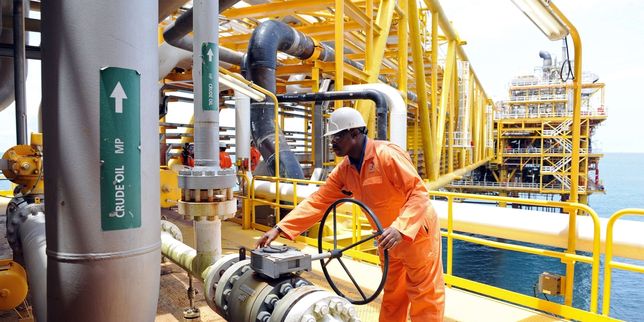
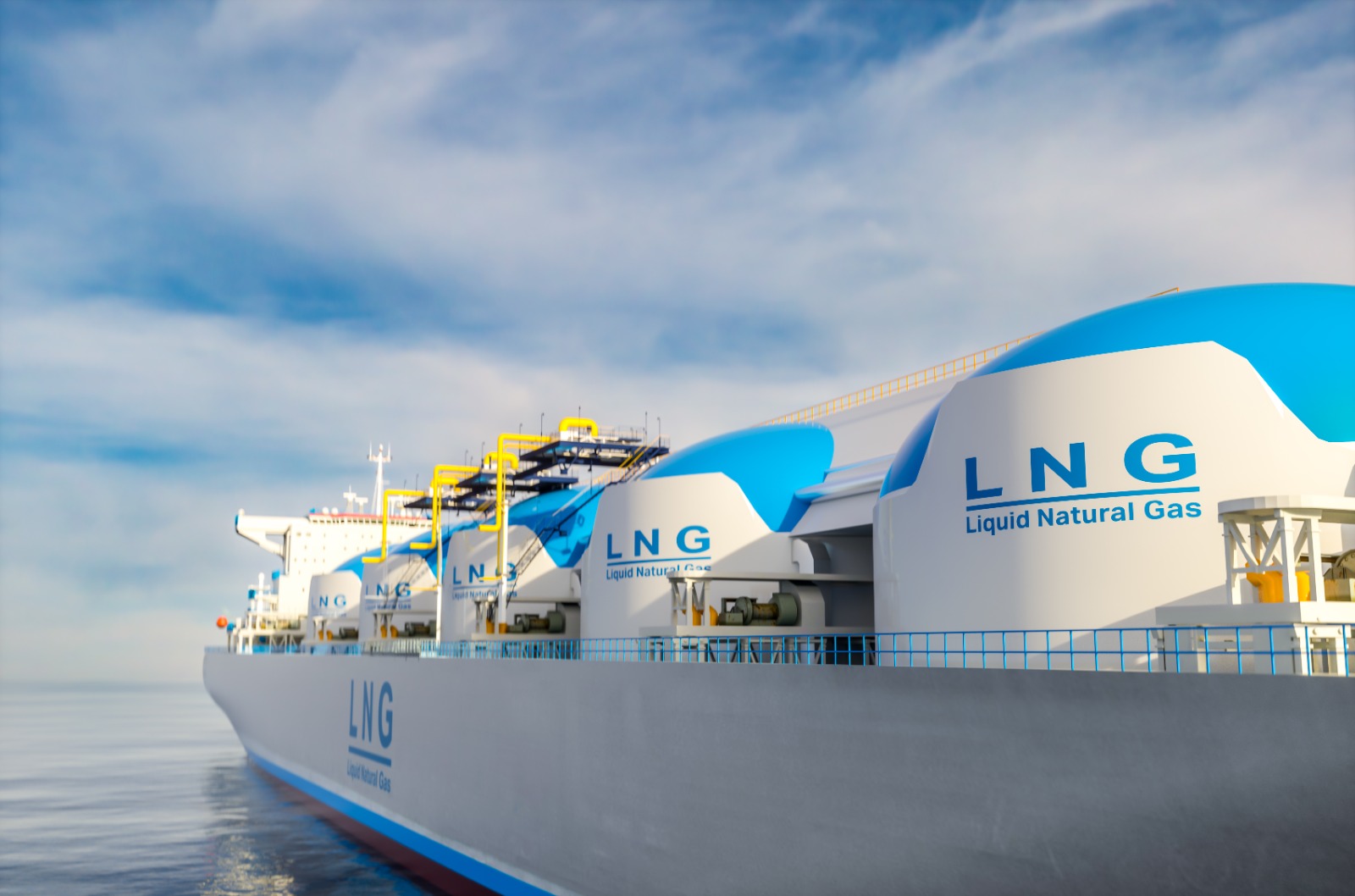
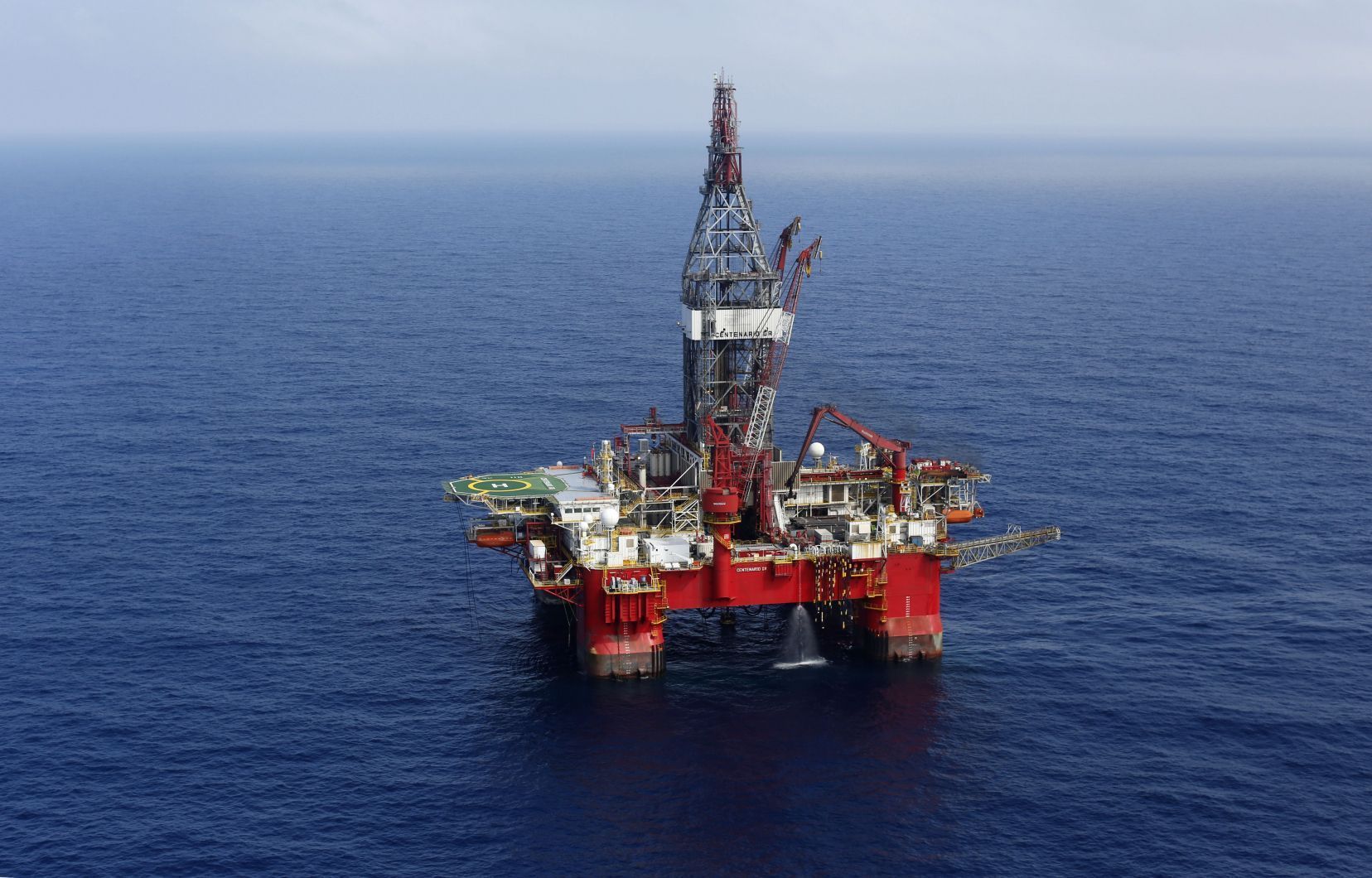
Economics and Geopolitics of Oil in Africa
Analyze the impact of oil on African economies, understand the geopolitical stakes of this strategic resource, and identify the challenges of governance, sovereignty and regional integration.
 By the editorial teamPetrole.Africa
🎯 Learning Objective
To analyze the impact of oil on the economies of African countries, understand the geopolitical issues surrounding this strategic resource, and identify the challenges of governance, sovereignty and regional integration.
I. 💰 Oil in the African Economy
A. Macroeconomic Importance
| Indicator | Approximate value |
|---|---|
| Share of oil in exports in certain countries | 70 to 95% |
| Contribution to GDP | 20 to 60% |
| Oil-derived tax revenue | > 50% in several countries |
The main African oil-producing countries are:
- Nigeria, Angola, Algeria, Libya (majors)
- Egypt, Congo, Equatorial Guinea, Gabon, Ghana, Côte d’Ivoire, Chad (intermediate producers)
- New entrants: Senegal, Mauritania, Mozambique, Namibia, Uganda
📌 Dependence on oil is extremely high in several African economies.
B. Oil Rent and Dutch Disease
Oil rent is the difference between oil revenues and the cost of producing it. It can:
- Finance infrastructure, health, education…
- But also cause:
- Inflation and overvaluation of the local currency
- Neglect of other sectors (agriculture, industry)
- Macroeconomic instability when prices fall
📉 Example: the 2014–2016 price collapse → fiscal crisis in Angola, Nigeria and Gabon
II. ⚙️ Governance of the Oil Sector
A. Types of Petroleum Regimes
| Model | Description |
|---|---|
| Production Sharing Contracts (PSCs) | The state remains the owner of the oil and shares production with the operating company |
| Concessions | The foreign company holds a license and pays royalties |
| Service contracts | The operator is paid to produce, without ownership rights |
The PSC is the dominant model in Francophone Africa.
B. African National Oil Companies (NOCs)
| Country | National oil company |
|---|---|
| Nigeria | NNPC Limited |
| Algeria | Sonatrach |
| Angola | Sonangol |
| Egypt | EGPC |
| Congo | SNPC |
| Côte d’Ivoire | PETROCI |
Role of NOCs:
- Ownership of assets
- Partnerships with majors
- Sector regulation (often)
C. Transparency and Corruption
- High risks of corruption, patronage and contractual opacity
- Watchdog bodies: EITI (Extractive Industries Transparency Initiative), local NGOs
- Examples of scandals: Nigeria (2011), DRC (2021), Equatorial Guinea (the Obiang affairs)
III. 🌍 Geopolitics of African Oil
A. International Rivalries
| Actor | Interests in Africa |
|---|---|
| China | Secure access to resources (Angola, Sudan, DRC) through CNPC |
| United States | Securing supply flows (Nigeria, Libya, the Sahel) |
| EU / France / Italy | Integration into the supply chain (TotalEnergies, ENI) |
| Russia | Growing influence through Rosneft, Wagner and energy diplomacy |
| Turkey, India, the Emirates | New entrants in upstream and downstream |
💥 Oil is an instrument of diplomacy and a means of geostrategic leverage.
B. Oil-Related Conflicts
| Conflict | Nature | Oil at stake |
|---|---|---|
| Niger Delta (Nigeria) | Insurgency, pollution | Yes (producing areas) |
| Post-Gaddafi Libya | Civil war | Yes (control of terminals) |
| Sudan / South Sudan | Secession, pipeline | Yes (reserves in the South) |
| Chad | Insecurity and rivalry over fields | Yes |
| DRC (Ituri) | Reserves still untapped in an unstable area | High potential |
C. African Strategies to Defend Their Interests
- Creation of powerful national companies (Sonatrach, GNPC, NNPC)
- Negotiation of more favorable contracts with the majors
- Regional forums: African Petroleum Producers Organization (APPO)
- Promotion of local content (Local Content Laws)
- South-South cooperation (e.g., Nigeria-Ghana, Angola-Mozambique)
IV. 🔄 Regional Integration & Energy Transition
A. Development of Regional Infrastructure
- Gas pipelines (WAGP, the planned Nigeria–Morocco pipeline)
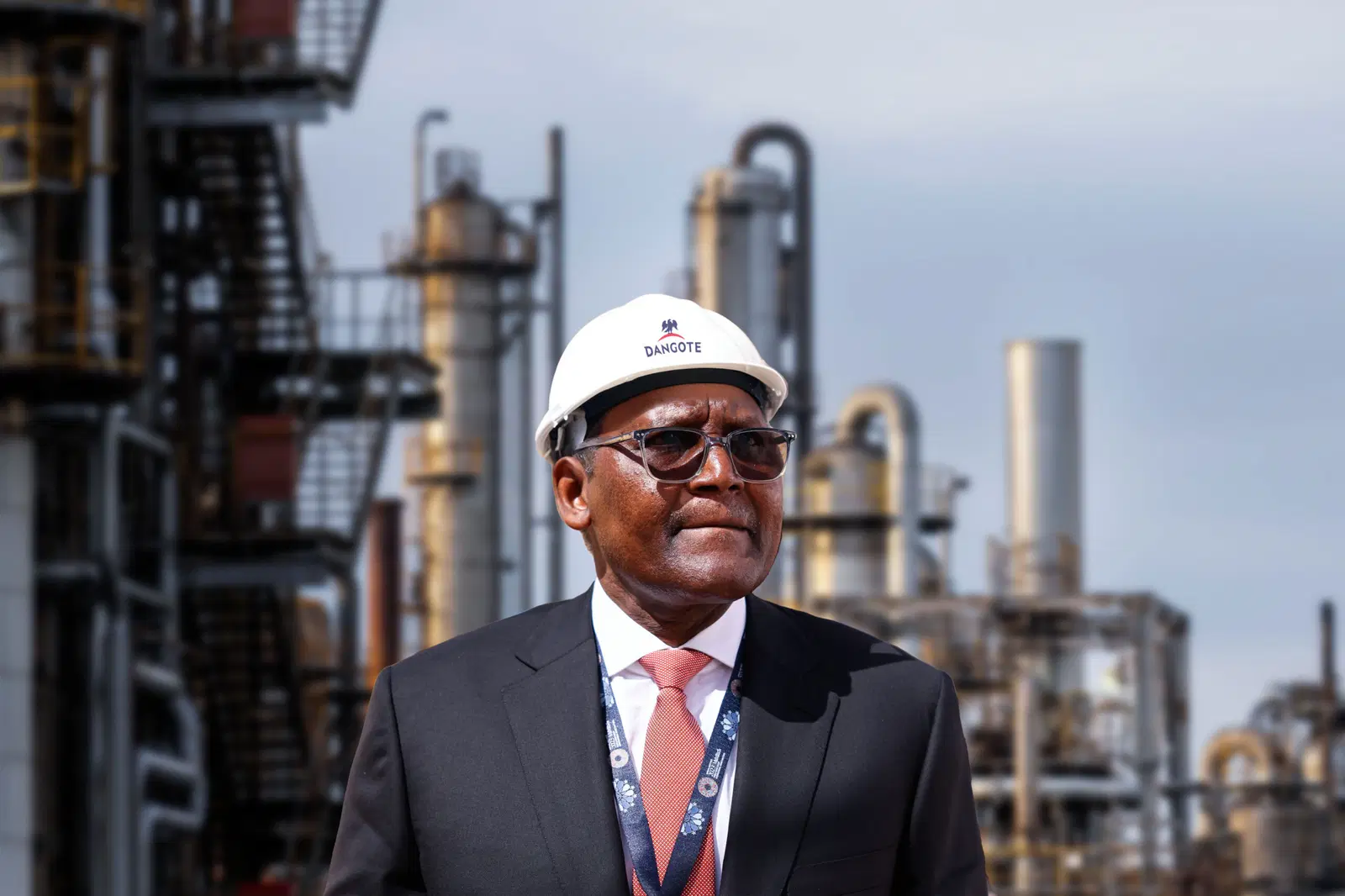
- Regional refineries (e.g., Dangote)
- Common electricity and fuel markets
B. Energy Transition Challenges
- International pressure to phase out fossil fuels
- Risk of leaving proven reserves undeveloped
- African strategy: just transition → use gas as a transition fuel
V. 📌 Case Study: Angola – A Sub-Regional Giant
- OPEC member since 2007
- Strong partnerships with TotalEnergies, Chevron and ExxonMobil
- Exports to China
- Oil revenue > 90% of export earnings
- Challenges: high public debt, dependence, slow diversification
🧾 Technical Glossary
- Oil rent: Income derived from oil exploitation after deducting costs
- PSC: Production Sharing Contract
- Majors: Large international oil companies (TotalEnergies, Shell, ExxonMobil…)
- Local Content: Legislation promoting local employment and subcontracting
- APPO: African Petroleum Producers Organization
📚 Additional Resources
- 📄 PDF: Geopolitical Mapping of African Oil
- 🎥 Video: Oil and Power – How Black Gold Shapes Africa
- 📘 Book: L’Afrique et la géopolitique du pétrole – Philippe Copinschi
🧠 Key Takeaways
- Oil is both a major economic opportunity and a source of vulnerability for Africa.
- Its governance determines whether or not producing countries achieve sustainable development.
- Africa must combine controlled exploitation, regional integration and a smart energy transition to fully benefit from it.