Petrochemicals
How petrochemicals add value to oil and natural gas: products, industrial processes, and the challenges and prospects for Africa.
 By the editorial teamPetrole.Africa
🎯 Learning Objective
Explain the role of petrochemicals in adding value to oil and natural gas, the products that come out of this sector, the industrial processes involved, and the challenges and prospects for Africa.
I. 🧪 What Is Petrochemistry?
Petrochemistry is a branch of the chemical industry that transforms hydrocarbons derived from oil or gas (naphtha, ethane, propane, butane) into basic chemicals used to make a multitude of goods: plastics, textiles, fertilizers, cosmetics, solvents, and more.
II. ⚗️ Petrochemical Feedstocks
| Source | Product used |
|---|---|
| Oil refining | Naphtha, light gas oil |
| Natural gas | Ethane, propane, butane, methane |
| LPG (propane/butane) | Used as a petrochemical reagent or as fuel |
🔬 These raw materials are known as feedstocks.
III. 🏭 The Main Stages of Petrochemistry
1. Basic (or primary) petrochemistry
Hydrocarbons are converted into olefins and aromatics through high-temperature vaporization (pyrolysis at 800–900 °C).
| Family | Examples | Uses |
|---|---|---|
| Olefins | Ethylene, propylene, butadiene | Plastics, synthetic fibers |
| Aromatics | Benzene, toluene, xylenes | Solvents, dyes, resins |
🔥 The core process is steam cracking
2. Secondary petrochemistry
Basic products are converted into intermediate or finished products:
| Product | Derivatives | End use |
|---|---|---|
| Ethylene | Polyethylene (PE) | Plastic bags, pipes, films |
| Propylene | Polypropylene (PP) | Packaging, car bumpers |
| Benzene | Phenol, styrene | Resins, foams, ABS plastic |
| Methane | Ammonia, urea | Nitrogen fertilizers |
| Butadiene | Synthetic rubber | Tires |
IV. 🧴 Everyday Petrochemical Products
| Sector | Petrochemical products |
|---|---|
| Plastics | Bags, bottles, packaging, toys |
| Textiles | Polyester, nylon, acrylic |
| Cosmetics | Perfumes, solvents, mineral oils |
| Medicine | Gloves, syringes, implants, medicines |
| Agriculture | Nitrogen fertilizers, pesticides |
| Construction | Insulating foam, PVC, paints |
📌 More than 90% of modern manufactured goods have a direct or indirect petrochemical origin.
V. 🌍 Petrochemical Issues in Africa
1. Current situation
- Few integrated petrochemical complexes
- Massive exports of naphtha and raw gas without processing
- Dependence on imports of plastics and fertilizers
2. Existing complexes
| Country | Petrochemical project |
|---|---|
| Egypt | SIDPEC, ETHYDCO |
| Algeria | Sonatrach – STEP Polymers |
| Nigeria | Indorama Eleme (polyethylene, urea) |
| South Africa | Sasol (coal-to-liquids and chemicals) |
🎯 Strategic objective: industrialize locally to capture more added value.
VI. 🧱 Refining–Petrochemical Integration
Modern refineries are increasingly integrated with petrochemical units, allowing optimal use of light fractions (naphtha) and gas:
- Shared processing units (hydrogen, steam, electricity)
- Lower costs
- Improved refinery profitability
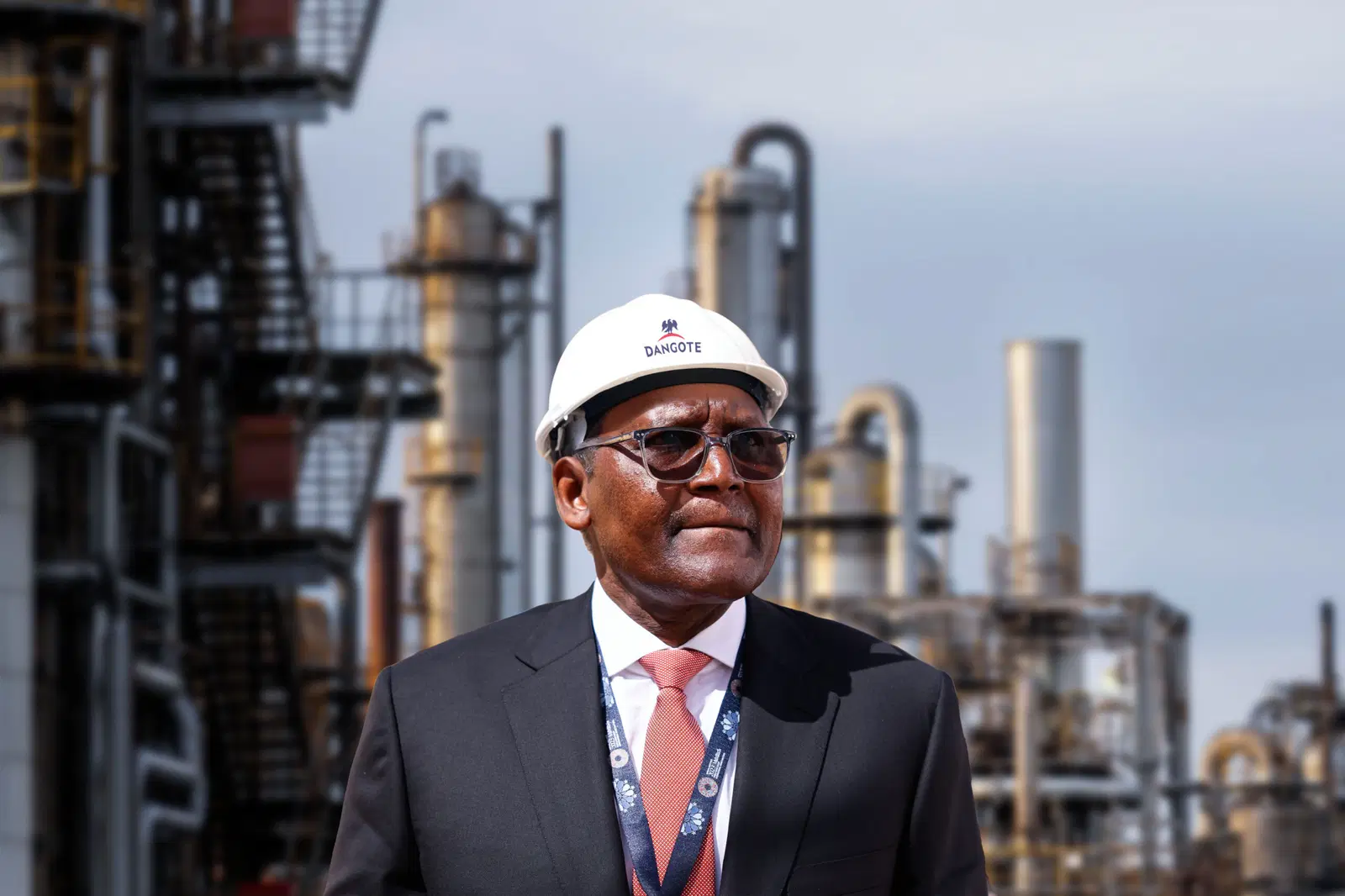
Example: the Dangote Refinery in Nigeria includes a polypropylene unit.
VII. 🌱 Environmental Challenges
- Single-use plastics → marine and land pollution
- CO₂ emissions from chemical processes
- Use of toxic catalysts and solvents
- Development of bioplastics and chemical recycling (reverse pyrolysis)
VIII. 💡 Toward a Sustainable African Petrochemical Industry
Priorities:
- Train chemical engineers locally
- Create industrial clusters (refining + chemicals + logistics)
- Use natural gas as a lever for green industrialization
- Promote African startups in recycling, bio-based plastics, and agrochemicals
💥 A well-developed petrochemical industry would allow Africa to produce fertilizers, plastics, textiles, and solvents locally, in the service of its agricultural, industrial, and health development.
🧾 Technical Glossary
- Feedstock: Petroleum-based raw material used in chemical processes
- Steam Cracking: Thermal cracking using steam
- Olefins: Molecules with carbon-carbon double bonds, highly reactive
- Aromatics: Cyclic compounds such as benzene or toluene
- Polyolefins: Synthetic polymers derived from olefins (PE, PP)
📚 Additional Resources
- 📄 PDF: Diagram of a Complete Petrochemical Chain
- 🎥 Video: From Gas to Plastic – How Does a Petrochemical Plant Work?
- 📘 Book: Industrial Petrochemistry (Pétrochimie industrielle) – Jean-Pierre Wauquier (Technip edition)
🧠 Key Takeaways
- Petrochemistry is at the heart of industrial modernity, turning oil and gas into products essential to daily life.
- Africa has immense potential but remains too dependent on imports.
- Developing local and sustainable petrochemicals is a strategic path to industrial sovereignty and the creation of skilled jobs.