Environment and Energy Transition
Analyzing the environmental impacts of oil and gas exploitation, the levers for reducing them, and the specific energy transition challenges facing African producing countries.
 By the editorial teamPetrole.Africa
🎯 Learning Objective
Analyze the environmental impacts of oil and gas exploitation, identify the levers for reducing those impacts, and understand the specific energy transition challenges facing African producing countries.
I. 🛢️ Environmental Impacts of the Oil Industry
A. Soil and Water Pollution
- Pipeline leaks, accidental spills, faulty storage
- Groundwater contamination
- Destruction of local biodiversity
📌 Example: Niger Delta (Nigeria) – chronic oil spills, barren soils, destroyed fishing grounds
B. Gas Flaring
- Burning of associated gas for lack of infrastructure to monetize it
- Emissions of CO₂, CH₄ (methane) and soot (black carbon)
- Major economic waste
🌍 In 2023, Africa flared nearly 35 billion m³ of gas, more than 20% of the global total
C. Air Pollution and Health Effects
- Emissions of SO₂, NOx and volatile organic compounds
- Increase in respiratory diseases in industrial areas
- Pollution from transport and refineries
II. 🌡️ African Oil in the Face of Climate Change
A. Africa's Contribution to Global Emissions
- Africa accounts for less than 4% of global greenhouse gas emissions
- Yet it is disproportionately affected:
- Droughts, rising sea levels, cyclones, resource-related conflicts
❗ Africa is a victim of climate change, yet remains a producer of fossil resources.
B. The Continent's Paradoxical Position
| Issue | African Reality |
|---|---|
| Development needs | Fossil fuels needed in the short term |
| Climate responsibility | Low historical emissions |
| Access to electricity | > 600 million Africans without electricity |
| Green finance | Limited access to carbon financing |
🎯 The challenge is to carry out a just energy transition without reproducing historical inequalities.
III. 🧭 Toward Sustainable Environmental Management
A. Environmental Regulation
- Environmental impact assessments (EIAs) mandatory before any project
- Standards on emissions, waste and soil pollution
- Slow enforcement in some countries
B. Corporate Social Responsibility (CSR)
- Dialogue with local communities
- Sanitation, reforestation and public health projects
- Challenges: mistrust, poor governance, lack of transparency
C. Clean Technologies
- Carbon capture and storage (CCS)
- Flaring reduction through gas compression and monetization
- Industrial effluent treatment systems
IV. ⚡ Africa and the Energy Transition
A. What Is the Energy Transition?
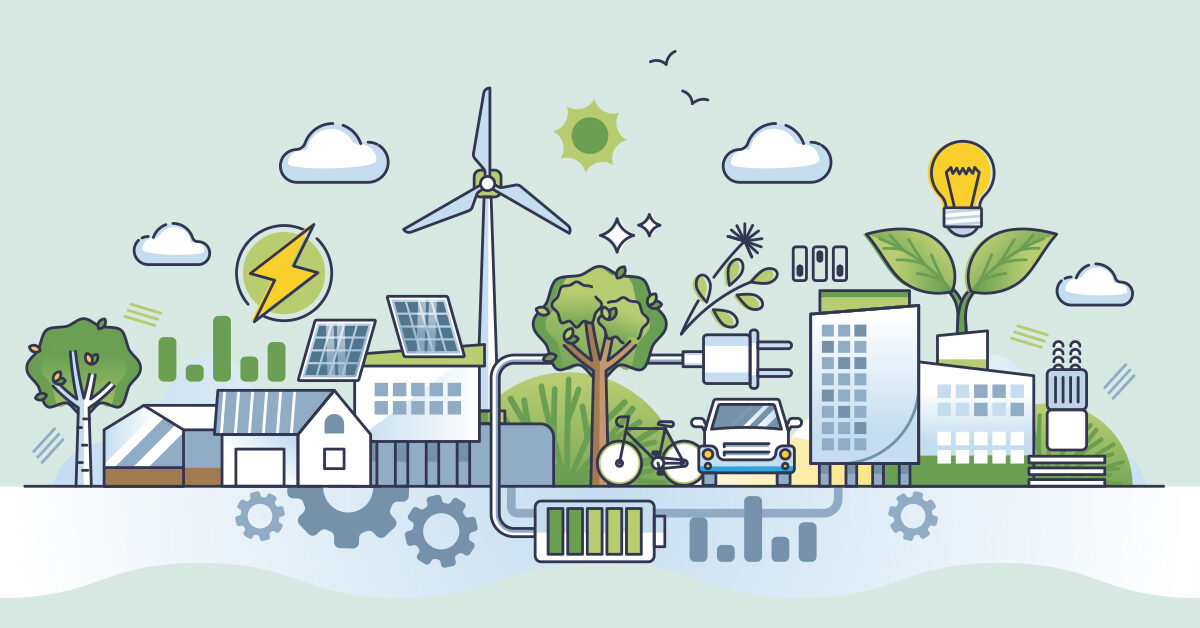
A gradual shift from a model based on fossil fuels (oil, gas, coal) to a model based on:
- Renewable energy (solar, wind, hydro, biomass)
- Energy efficiency
- Smart electrification
B. Obstacles to Overcome
| Obstacles | Details |
|---|---|
| Weak infrastructure | Power grids, storage, logistics |
| Limited investment | Restricted access to climate finance |
| Oil dependence | Public rents, fossil-fuel infrastructure |
| Technical expertise | Shortage of engineers and local technologies |
C. Gas as a Transition Fuel
- Cleaner than coal and fuel oil
- Already produced in Africa
- Compatible with existing power plants
- Supports access to electricity (cookstoves, mini-grids)
📌 Gas can play a pivotal role in a managed transition in Africa.
V. 💡 Ongoing African Initiatives
| Project / Initiative | Country | Type |
|---|---|---|
| Grand Inga | DRC | Hydropower |
| Desert to Power | Sahel | Solar |
| Noor Ouarzazate | Morocco | Concentrated solar power |
| GTA Project | Senegal / Mauritania | Liquefied natural gas |
| OPEC-Africa Strategy | Multilateral | Climate / energy dialogue |
VI. 🔮 Post-Oil Scenarios for Africa
A. Economic Diversification
- Local processing of crude (refining, petrochemicals)
- Development of green energy
- Mining industry (copper, cobalt, lithium)
- Agriculture and sustainable tourism
B. Building African Energy Leadership
- Regional energy institutions (AFREC, AREI)
- Interconnected power grids (Power Pools)
- Sovereignty over strategic resources
🧾 Glossary
- Flaring: burning of excess associated gas at the wellhead
- CCS: carbon dioxide capture and storage
- Transition fuel: low-emission fossil fuel serving as a bridge to renewables
- CSR: Corporate Social Responsibility
- Power Pool: interconnected electricity grids in Africa (WAPP, CAPP…)
📚 Additional Resources
- 📄 PDF: Oil and Climate in Africa – Data and Maps
- 🎥 Video: How Can We Move Away from Oil Without Hindering Development?
- 🌐 Dossier: International Energy Agency – Africa & the Energy Transition
🧠 Key Takeaways
- The oil industry has major environmental impacts, but solutions exist to reduce their effects.
- Africa must meet a dual challenge: exploiting its resources to develop while preparing for the post-oil era.
- A just, gradual energy transition adapted to African realities is the key to a sustainable future.