Why Does Africa Still Import Its Fuel?
Despite vast crude oil reserves, Africa still imports much of its refined petroleum products — a paradox that reveals major technical, economic and political challenges.
 By the editorial teamPetrole.Africa
Despite its vast crude oil reserves, the African continent still imports a large share of its refined petroleum products. It is a paradoxical situation that reveals major technical, economic and political challenges.
🔍 1. Abundant crude production… but few refineries
Africa produces on average more than 7 million barrels of crude oil per day, or about 8% of world production. The largest producers are:
- Nigeria
- Algeria
- Libya
- Angola
- Egypt
However, most of this crude is exported as is, without local processing. The continent refines barely 30 to 40% of its fuel needs.
🏭 2. Limited and obsolete refining capacity
Africa has around 50 refineries, but many of them are:
- Old (often built in the 1960s–80s)
- Poorly maintained
- Underperforming, frequently partly or fully shut down
- Ill-suited to international standards (e.g. Euro 4, Euro 5)
As a result, several countries must import petrol, diesel, jet fuel, LPG and more from Europe, India or the Middle East.
📉 3. Why aren’t more modern refineries being built?
There are several reasons:
❗ High cost and risk:
- Building a modern refinery costs several billion dollars
- Profitability is uncertain in a market dominated by large foreign companies
⚠️ Political instability:
- Coups, civil wars and corruption: all powerful deterrents
🤝 Structural dependency:
- Many countries have signed long-term import contracts
- Some elites benefit indirectly from the current system
🇳🇬 4. The emblematic case of Nigeria
Africa’s leading oil producer, Nigeria imports more than 90% of its fuel. This is explained by:
- The dismal state of its national refineries (Port Harcourt, Warri, Kaduna)
- Misappropriation of funds in modernisation projects
- The weight of fuel subsidies
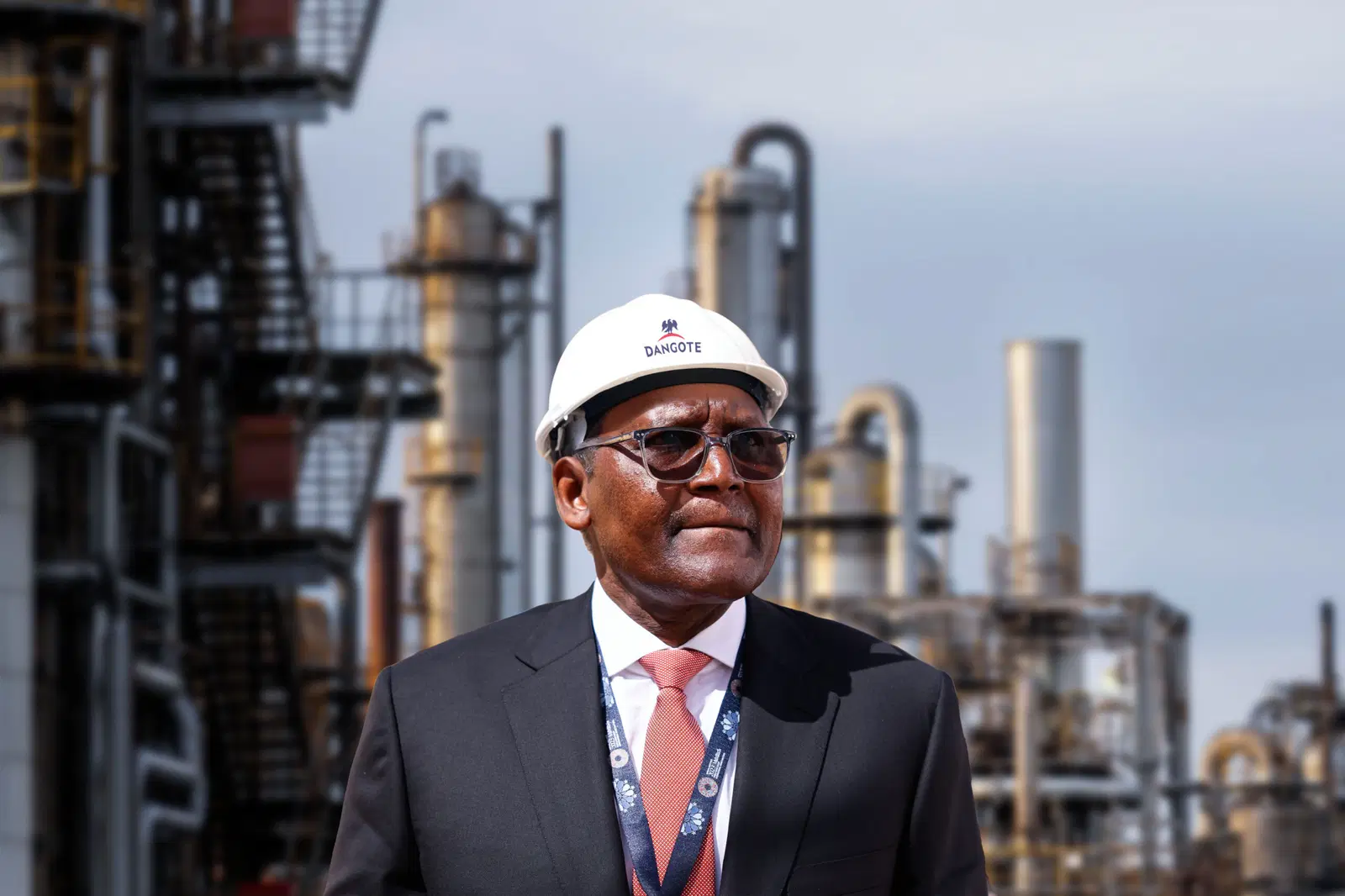
- Repeated delays to the mega-project Dangote Refinery (330,000 barrels/day)
🔄 5. Is change under way?
Some recent initiatives aim to reverse the trend:
- 🏗️ Dangote Refinery in Nigeria (starting up in 2024–2025)
- 🛢️ Refinery modernisation projects in Angola, Egypt, Côte d’Ivoire and Uganda
- 🤝 African Development Bank initiatives to finance local refining
- 🟢 Growth of modular mini-refineries, which are more flexible and less costly
⚖️ 6. The economic and strategic stakes
Importing fuel is expensive:
- Pressure on trade balances
- Greater exposure to exchange rates and international prices
- Logistical risks in the event of a global crisis
Developing local refining would make it possible to:
- Create skilled jobs
- Reduce imports
- Improve energy security
- Encourage a transition to cleaner fuels
✅ Conclusion
Africa has the resources, the skills and the markets to become self-sufficient in fuel. But this requires strong political will, sustained investment, better governance and an integrated regional vision. The continent can turn this paradox into a strategic opportunity.