Deepwater Offshore: Africa’s New Oil Frontier
From the Gulf of Guinea to the Indian Ocean, deepwater exploration is attracting record investment. This new energy frontier carries as many economic promises as technical, geopolitical and environmental challenges.
 By the editorial teamPetrole.Africa
From the Gulf of Guinea to the Indian Ocean, deepwater exploration is attracting record investment. This new energy frontier carries as many economic promises as technical, geopolitical and environmental challenges.
🌊 1. What is deepwater offshore?
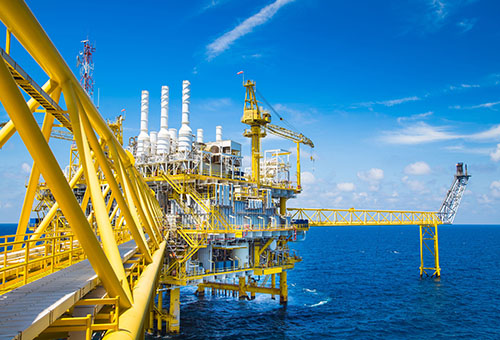
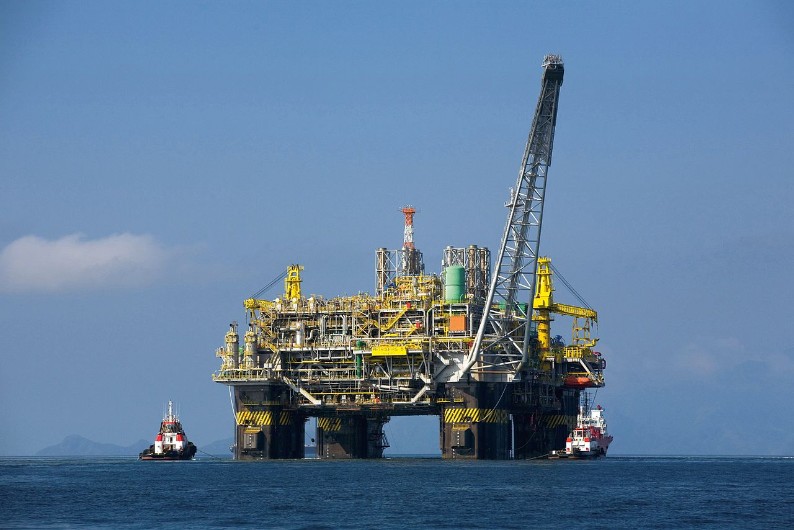
We speak of deepwater when oil drilling takes place at depths of 500 to 1,500 metres, and of ultra-deepwater beyond 1,500 metres. These areas, located off the coast, require cutting-edge technology to locate, drill and then extract oil or gas.
Long considered inaccessible or uneconomic, they have become a strategic focus since the 2000s thanks to:
- Advances in drilling techniques (3D seismic imaging, underwater robots)
- Rising oil prices (making costs bearable)
- The gradual depletion of onshore fields
📍 2. The new exploration zones in Africa
Several offshore sedimentary basins are now oil hotspots on the continent:
🔹 West Africa
- Senegal – Mauritania: the Greater Tortue Ahmeyim project (BP, Kosmos) plans 2.5 million tonnes of LNG per year.
- Namibia: a meteoric rise with discoveries by TotalEnergies (Venus well) and Shell (Graff well).
- Angola: long Africa’s deepwater leader, with fields such as Kaombo (TotalEnergies) and Dalia.
🔹 Gulf of Guinea
- Côte d’Ivoire: the Baleine field discovered by Eni in 2021, with production expected from 2025.
- Ghana: the Jubilee field (Kosmos/Tullow) already in production, a pioneer of African deepwater.
🔹 Southern and East Africa
- Mozambique: deepwater LNG mega-projects (Coral FLNG, Rovuma LNG).
- South Africa: exploration projects under way.
🏗️ 3. Titanic and costly projects
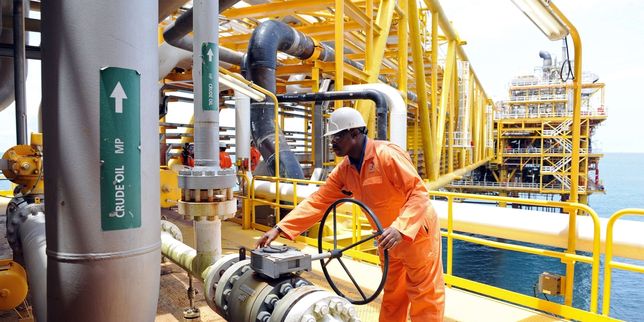
Deepwater projects require floating platforms (FPSOs), subsea pipelines, gas liquefaction (LNG) facilities and complex logistics.
Examples:
- Kaombo project (Angola): $16 billion, 2 FPSOs
- Baleine (Côte d’Ivoire): over $2 billion, planned output of 200,000 barrels/day
- Tortue Ahmeyim (Senegal/Mauritania): over $4.8 billion
Despite the costs, these projects attract the international majors because of:
- their massive production potential
- good-quality crude
- sometimes attractive fiscal conditions
💡 4. Economic opportunities for African countries
These deepwater developments can generate:
- Considerable tax and royalty revenues
- Direct and indirect jobs (shipyards, logistics, maintenance)
- Skills transfers through local content clauses
But only on condition of:
- negotiating balanced contracts
- strengthening governance and transparency
- investing revenues in national development
⚠️ 5. Environmental and social issues
Deepwater drilling carries heightened risks:
- Marine pollution in the event of a leak or explosion
- Disruption of ecosystems (marine mammals, corals)
- Threats to artisanal fishing
- Monitoring challenges at great depth
The Deepwater Horizon (2010, Gulf of Mexico) oil spill remains a dramatic example of the risks.
Some African countries still lack regulatory frameworks adapted to this type of operation.
🌍 6. A reshaping of energy geopolitics
Deepwater is reshuffling the cards:
- Newcomers (Namibia, Mauritania) are reaching the world stage
- Traditional energy powers (Angola, Nigeria) must modernise
- Strategic partnerships are forming: Europe, China, Qatar, the United States, Russia…
The rise of African LNG, exported to Europe or Asia, strengthens the continent’s geostrategic weight.
✅ Conclusion
Deepwater is the future of oil production in Africa, with its promises of growth, revenue and energy independence. But it is also a high-risk field that demands transparency, expertise, regulation and political will. The bet is immense. The stakes are continental.