African National Oil Companies: Pillars or Dead Weight?
Created to secure sovereignty over resources, national oil companies play a central role in the continent’s energy economy. Yet their real effectiveness varies widely, from continental giants to fragile structures undermined by corruption.
 By the editorial teamPetrole.Africa
Created to guarantee sovereignty over resources, national oil companies (NOCs) play a central role in the continent’s energy economy. But their real effectiveness varies considerably, from continental giants to fragile structures undermined by corruption.
🏛️ 1. Why did African states create national oil companies?
From the 1970s, in the wake of nationalisations in the Middle East and Latin America, many oil-producing African countries established national companies in order to:
- Assert sovereignty over natural resources
- Take part in exploration, production and refining activities
- Oversee regulation and revenue collection
- Reduce dependence on foreign companies (the majors)
But the model is often hybrid: national companies work in partnership with the majors (Total, Shell, Exxon, etc.), or settle for an observer/regulator role.
🧭 2. Overview of the main African companies
🇩🇿 Sonatrach (Algeria)
- Africa’s largest company
- Annual output: around 1 million barrels/day
- Covers the whole chain: exploration, refining, transport, LNG
- Strategic investments outside Algeria (Europe, Latin America)
- Governance criticised, but undeniable technical strength
🇳🇬 NNPC Limited (Nigeria)
- Long criticised for its opacity and chronic losses
- Reformed in 2022 into a commercial limited company (NNPC Ltd):
- Aim: profitability, transparency, attractiveness to investors
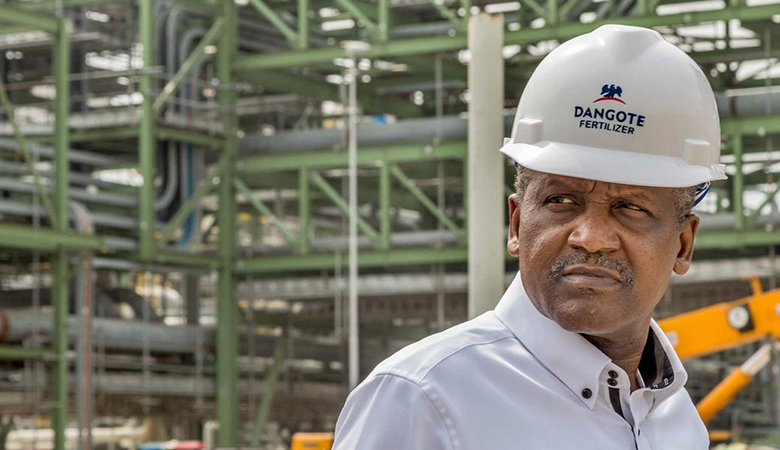
- First test: managing the Dangote mega-refinery
- Remains one of the most politically influential companies in Africa
🇨🇮 Petroci (Côte d’Ivoire)
- Key player in the development of the Baleine offshore field
- Partner of Eni in developing deepwater offshore resources
- Strategic role in securing local content
🇬🇦 Gabon Oil Company
- Created in 2011 to take over abandoned assets
- Activity still limited, in partnership with Perenco and Assala Energy
🇨🇲 SNH (Société Nationale des Hydrocarbures)
- Oversees oil contracts
- Holds a stake in all operations, but with little technical capacity
⚖️ 3. Strengths and weaknesses of African NOCs
✅ Strengths:
- Instruments of economic sovereignty
- Vehicles for local content (jobs, national subcontracting)
- Channels for collecting oil revenues (royalties, dividends)
❌ Frequent limitations:
- Lack of financial transparency
- Political interference and patronage
- Limited technical capacity for complex projects (deepwater, LNG)
- Difficulty becoming profitable without public support
💼 4. What future for these companies?
🔁 Reforms under way:
- Transformation into commercial companies (e.g. NNPC Ltd)
- Strategic partnerships with the majors or foreign NOCs (Sonangol, Petrobras, QatarEnergy)
- Direct access to international markets (fundraising, asset acquisitions)
🟢 Diversification:
- Several NOCs are seeking to position themselves in:
- Renewable energy
- Natural gas (liquefied or domestic)
- Petrochemicals
🌍 5. The geopolitical role of African NOCs
Some companies have become diplomatic arms:
- Sonatrach exports to Europe and contributes to the continent’s energy security
- NNPC negotiates trans-African pipelines (e.g. Nigeria–Morocco)
- NOCs are at the heart of African energy integration, through bodies and projects such as the African Energy Chamber and APPO
✅ Conclusion
African national oil companies are at a crossroads. Between sovereignty ambitions and financial realities, they must modernise and gain in transparency and efficiency. Some will be pillars of Africa’s energy transition. Others risk becoming mere empty shells.
The future will depend on political will and good governance… and on the ability to adapt to a rapidly changing world.