Oil and Gas in Angola: Status, Outlook and Strategies
Angola's economy depends heavily on hydrocarbons. This report reviews reserves, production decline, the OPEC exit, fiscal reforms, key players and the energy transition.
 By the editorial teamPetrole.Africa
I. Executive Summary
Angola's economy relies overwhelmingly on its hydrocarbon sector, a feature that gives it a unique position on the global energy stage but also exposes it to inherent vulnerabilities. This report offers a comprehensive assessment of the current state of Angola's oil and gas sector, highlighting its deep economic dependence, the state of its reserves and production, and the strategic implications of its exit from OPEC. It also explores the evolving regulatory and fiscal framework designed to attract investment, the role of key international and national players, the challenges posed by declining production and the imperative of economic diversification. Finally, the report addresses Angola's energy transition strategy, described as "just and pragmatic", which emphasizes natural gas as a transition fuel and emerging renewable energy initiatives.
II. Introduction
Angola's Geopolitical and Economic Context
Angola, a Sub-Saharan African nation, is endowed with considerable natural resources, and its economy is heavily dependent on the oil and gas sector. In 2024, the country ranked as the second-largest producer of liquid fuels in Sub-Saharan Africa, just behind Nigeria. This economic dependence, largely based on hydrocarbon production, makes Angola particularly sensitive to fluctuations in crude oil prices on global markets. This structural vulnerability is a determining factor in the country's recent policy reforms and investment strategies.
Strategic Importance of the Oil and Gas Sector for the Country
The oil and gas sector is not merely an economic contributor; it is the backbone of Angola's financial stability and development agenda. Its performance directly dictates national revenues, the availability of foreign currency and the government's ability to finance public investment. Oil production activities and related industries account for about 50% of GDP, more than 70% of government revenue and more than 90% of the country's exports. Although other estimates put the contribution to GDP at 38% in 2020 , the sector's preponderant role remains undeniable. This heavy concentration of economic activity in a single sector has been described as a "double-edged sword", creating considerable economic challenges because of the volatility of global oil prices.
Purpose and Scope of the Report
This report aims to provide a complete and expert assessment of Angola's oil and gas sector. It will examine the current state of reserves, production trends, the impact of recent policy decisions (notably the exit from OPEC), the regulatory and fiscal framework, the role of the main industry players, and the crucial challenges and opportunities that define its future trajectory, including the country's approach to energy transition and decarbonization.
III. Economic Importance and Dependence
The Sector's Contribution to Macroeconomic Indicators (GDP, Government Revenue, Exports)
Angola's economy shows an extraordinary dependence on its oil and gas sector, a feature that shapes its macroeconomic stability and development prospects. The data indicate that oil production and its supporting activities contribute about 50% of the country's gross domestic product (GDP), generate more than 70% of government revenue and account for more than 90% of its exports. Another source, for the year 2020, reports a 38% contribution to GDP. This slight variation in GDP figures may be explained by different calculation methodologies or by the inclusion/exclusion of certain supporting activities over time. However, the fundamental message remains constant: Angola's economic dependence on hydrocarbons is massive and structural. This high concentration of economic activity in a single sector underscores Angola's vulnerability to external shocks.
Analysis of Economic Vulnerability to Oil Prices
This heavy dependence translates directly into significant economic vulnerability. Fluctuations in global crude oil prices have historically dictated Angola's economic fortunes, affecting government budgets, investment capacity and overall economic stability. The heavy reliance on the oil sector has created substantial economic challenges, hindering economic stability and long-term planning. This situation highlights the need for a strategic approach to the country's economic diversification.
Table: Contribution of Oil and Gas to Angola's Economy (2023-2024)
| Indicator | Percentage (%) | Reference Year | Source(s) |
|---|---|---|---|
| Contribution to GDP (approx.) | 50 | Recent | |
| Contribution to GDP (2020) | 38 | 2020 | |
| Government Revenue | > 70 | Recent | |
| Total Exports | > 90 | Recent |
This table provides a clear quantitative overview of Angola's economic dependence on its hydrocarbon sector. It makes the notion of "vulnerability" tangible and reinforces the understanding that Angola's economic destiny is inextricably linked to oil and gas.
IV. Hydrocarbon Reserves and Production
A. Crude Oil
Proven Reserve Estimates and Their Evolution
Angola has significant proven crude oil reserves, although estimates vary by source, reflecting the dynamic nature of reserve assessments and potentially different classification criteria. At the start of 2025, Angola held approximately 2.6 billion barrels of proven crude oil reserves, according to Oil & Gas Journal estimates cited by the EIA. A similar estimate of 2.5 billion barrels is provided by the Leeds Policy Institute. It is important to note that other sources cite higher figures, such as 9 billion barrels of proven oil resources or 1 Gt (about 7.3 billion barrels) at the end of 2023. These higher figures may include different resource categories (for example, probable or possible) or represent older, less conservative estimates. By focusing on the most specific and most recent data on "proven reserves" from the most specialized sources (EIA/Oil & Gas Journal), a clear picture of the current reserve base emerges, while acknowledging that broader estimates of resource potential exist.
Analysis of Production Trends (Historical, Current, 2024-2025 Projections)
Angola's crude oil production has declined significantly since its historical peak, a trend that the government and operators are actively working to reverse or stabilize through new investment and policy changes. In 2024, Angola was the second-largest producer of liquid fuels in Sub-Saharan Africa. However, production has fallen from a peak of 1.9 million barrels per day (bpd) in 2008 to around 1.0-1.1 million bpd in 2025. Actual average daily production in 2023 was approximately 1.098 million bpd. Projections for 2024 and 2025 vary: Trading Economics forecasts 1.16 million bpd in 2024 and 1.2 million bpd in 2025 , while Fitch Solutions anticipates a 5% decline in 2025 to 1.14 million bpd. Production has stabilized around 1.1 million bpd. The divergence in projections for 2025 (1.0 mb/d, 1.1 mb/d, 1.14 mb/d, 1.2 mb/d) underscores the uncertainty inherent in forecasting. This variability is influenced by factors such as the success of new projects, the pace of investment and the effectiveness of policy reforms. Presenting a range of projections is more accurate given the available data, and it highlights that, although efforts are being made to stabilize or increase production, the outcome is not guaranteed.
Impact of the OPEC Exit on Production Strategy
Angola's decision to leave the Organization of the Petroleum Exporting Countries (OPEC) marked a major turning point, directly motivated by the desire to regain autonomy over production levels and to address the long-term decline of mature fields. Angola left OPEC on January 1, 2024, following OPEC's November 2023 decision to cut its crude production quota from 1.3 million bpd to 1.1 million bpd. The move is seen as a strategic opportunity for the government to gain "more flexibility to revitalize upstream hydrocarbon development in order to counter the production decline". This decision is explicitly considered an "upside risk" for the independent management of crude production. This action was a calculated response to a perceived constraint on Angola's ability to manage its production in its national interest. It represents a strategic pivot aimed at maximizing output from existing and new fields, unhindered by the cartel's quotas, in order to offset natural decline and attract investment.
Overview of Major Ongoing and Upcoming Projects
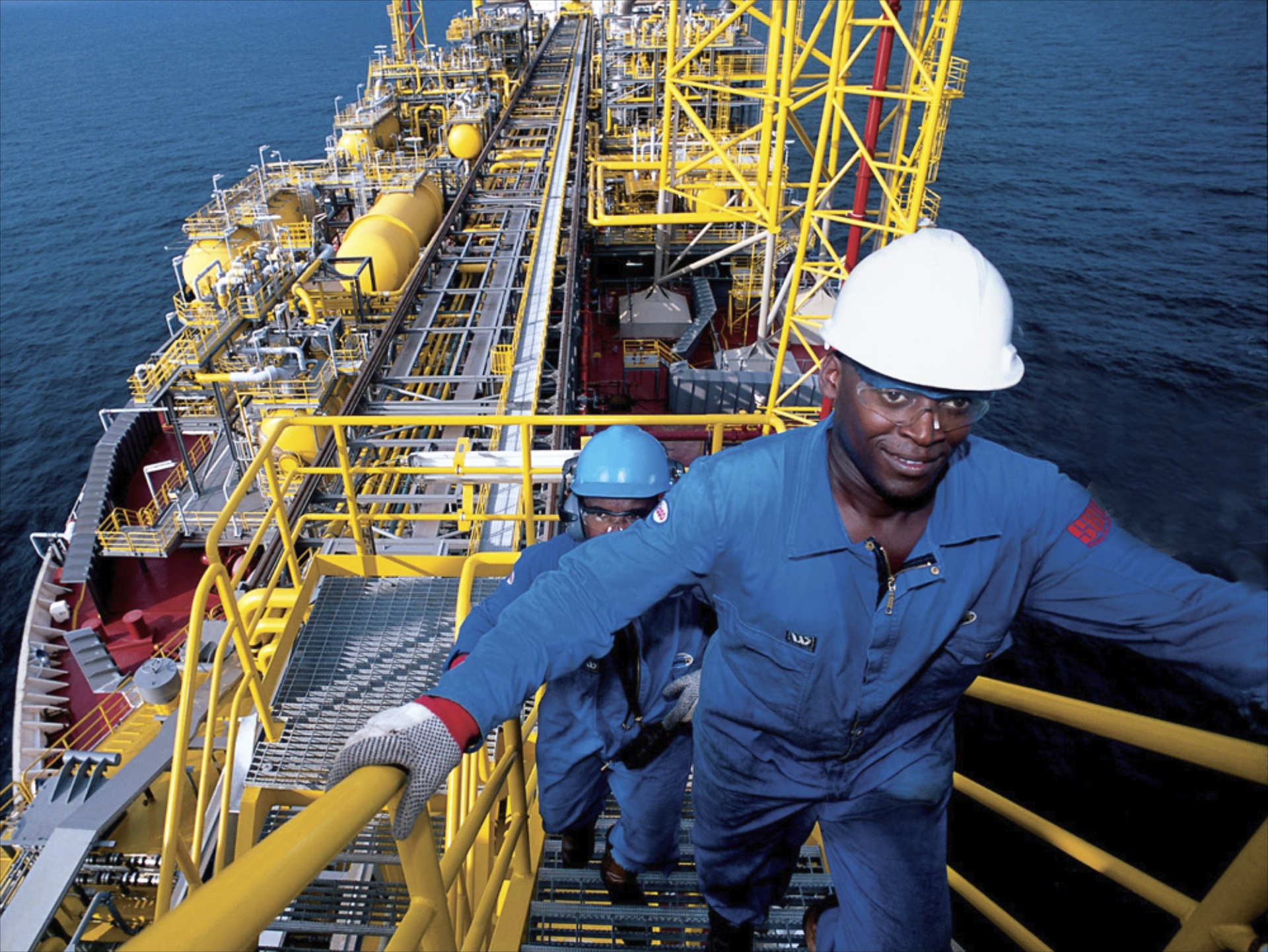
A series of major upstream projects are under way or planned, essential to offset natural decline and boost future production. These projects often incorporate advanced technologies and, increasingly, decarbonization features. Among the key projects, the Agogo floating production, storage and offloading (FPSO) unit was completed in China in February 2025 and is expected to increase Block 15/06 production by 120,000 bpd in the second half of 2025. The Begonia oil project in Block 17/06 is expected to start producing in 2025. The Kaminho project in the offshore Kwanza Basin (Block 20/11), led by TotalEnergies, reached final investment decision (FID) in May 2024, with an all-electric FPSO designed for zero flaring, and is expected to come on stream in 2028. New exploration efforts are targeting onshore blocks (for example, KON-11, KON-16, CON-2, CON-8) with new confirmed discoveries and drilling planned for 2025. An upstream investment pipeline of $60 billion is also mentioned. The emphasis on new FPSO projects (Agogo, Kaminho) demonstrates a strategic focus on deepwater developments, which are capital-intensive but offer significant production potential. The integration of advanced decarbonization technologies (for example, all-electric FPSOs, CO2 capture, zero flaring) in these new projects signals a dual objective: boosting production while aligning with global environmental concerns.
Table: Angola's Crude Oil Production (2023-2025 Projections)
| Year | Average Daily Production (million barrels per day - mb/d) | Source(s) | Notes |
|---|---|---|---|
| 2023 | 1.098 | Actual | |
| 2024 | 1.16 (projection) | Trading Economics projection | |
| 2025 | 1.0 - 1.2 (range of projections) | Varying projections |
This table provides a concise overview of current production and the short-term outlook for crude oil, illustrating both the reality of decline and the hopes for stabilization or a slight increase.
B. Natural Gas
Proven Natural Gas Reserve Estimates
Angola holds significant proven natural gas reserves, a resource that is increasingly central to its energy strategy, notably for monetization and domestic energy supply. At the start of 2025, Angola held approximately 4.6 trillion cubic feet (Tcf) of proven natural gas reserves, according to Oil & Gas Journal estimates cited by the EIA. Enerdata provides a similar figure of 129 billion cubic meters (about 4.55 Tcf) at the end of 2023. However, other sources, such as Trade.gov and Energy Capital Power, cite a higher figure of 11 Tcf of proven natural gas reserves. The divergence between these estimates (4.6 Tcf versus 11 Tcf) is notable. The lower, more conservative EIA/Oil & Gas Journal figure is probably more specific to "proven" reserves, while the higher figures may encompass broader resource categories or older estimates. It is important to acknowledge this range for a full understanding of Angola's gas potential.
LNG Export Capacity and Volumes (Angola LNG)
Angola's liquefied natural gas (LNG) export terminal at Soyo is a cornerstone of its gas monetization strategy. It processes associated gas and is increasingly turning to non-associated gas for its supply. The LNG facility at Soyo has a liquefaction capacity of 5.2 million metric tons per year, or about 250 billion cubic feet (Bcf) per year. In 2023, Angola exported approximately 175 Bcf of LNG. The facility is operated by Angola LNG Limited, a consortium made up of Chevron, TotalEnergies, Azule Energy (a joint venture between Eni and bp) and Sonangol.
Evolution of LNG Export Markets (Europe vs. Asia)
Global geopolitical shifts have significantly redirected the destinations of Angola's LNG exports, demonstrating its responsiveness to market demand. Following Russia's invasion of Ukraine, Angola's LNG export flows shifted significantly toward Europe starting in 2022. In 2023, about 75% (130 Bcf) of total annual export volumes went to Europe, with the remainder destined for the Asia-Pacific region (44 Bcf). Before 2022, most of Angola's LNG exports went to the Asia-Pacific region, mainly China or India. This dramatic shift in the destination of Angola's LNG exports from Asia to Europe after 2022 is a clear example of how global geopolitical events can rapidly reshape energy trade flows. Angola successfully capitalized on Europe's urgent need to diversify its gas sources, demonstrating its agility in adapting to new market opportunities.
Development of Non-Associated Gas Projects (New Gas Consortium, Quiluma and Maboqueiro)
The strategic focus on developing non-associated gas projects marks a crucial step toward maximizing gas monetization and reducing reliance on associated gas, which was historically flared. The New Gas Consortium (NGC), involving Azule Energy, Chevron, TotalEnergies and Sonangol, is developing Angola's first non-associated gas projects, notably the shallow-water Quiluma and Maboqueiro (Q&M) fields. The offshore platforms for Q&M were completed in February 2025, and first gas is expected to come on stream in early 2026, or even late 2025, six months ahead of schedule. This development is essential to provide additional supply to the Angola LNG terminal. ANPG is also expected to sign its first non-associated gas contract with Azule Energy. The active development of non-associated gas projects represents a fundamental shift in Angola's gas strategy. Historically, associated gas from oil fields was often flared, causing environmental and economic losses. By prioritizing non-associated gas, Angola unlocks a dedicated and cleaner gas supply, ensuring long-term feedstock for its LNG plant and aligning with global decarbonization efforts by reducing flaring.
Table: Angola's Natural Gas Reserves and Production (2023-2025)
| Indicator | Value | Reference Year | Source(s) |
|---|---|---|---|
| Proven Reserves (Tcf) | 4.6 | Early 2025 | |
| LNG Liquefaction Capacity (MMtpy) | 5.2 | Current | |
| 2023 LNG Export Volume (Bcf) | 175 | 2023 | |
| Share of Exports to Europe (2023) (%) | 75 | 2023 | |
| Share of Exports to Asia-Pacific (2023) (%) | 25 | 2023 |
This table provides a clear quantitative overview of Angola's natural gas sector, illustrating its potential, its current export infrastructure and the recent strategic shift in its export markets.
V. Regulatory and Fiscal Framework
Role and Responsibilities of ANPG and MIREMPET
Angola has undertaken significant institutional reforms to improve the governance and attractiveness of its oil and gas sector, primarily through the creation of the National Agency for Petroleum, Gas and Biofuels (ANPG) as an independent regulatory body. ANPG was created in 2019 (Presidential Decree No. 49/19) to manage the country's oil and gas concessions, a role previously held by the national oil company Sonangol. Its responsibilities include implementing public policy, proposing reserve evaluation plans, promoting and concluding concession bidding rounds, auditing operators and monitoring activities. The Ministry of Mineral Resources, Petroleum and Gas (MIREMPET) remains the supervising government body.
Restructuring of Sonangol and Its Current Mandate
The restructuring of Sonangol and the creation of ANPG are part of a broader government initiative to improve efficiency and attract investment by clearly separating regulatory and commercial functions. Sonangol, founded in 1976, is a majority state-owned, fully integrated company responsible for the exploration, production, refining, transportation and marketing of hydrocarbons. Although its role as concessionaire has been transferred to ANPG, it remains a key national operator and a partner in major joint ventures. It is involved in various joint ventures, including Angola LNG , the New Gas Consortium , and partnerships with TotalEnergies (service stations, Quilemba solar plant ) and Azule Energy (Solenova, Caraculo solar plant, decarbonization of the Luanda refinery ). Sonangol is implementing an asset divestment strategy to improve efficiency in exploration and production and diversify its activities. It aims to increase domestic production capacity of refined products and to develop alternative energy sources. The separation of regulatory functions (to ANPG) from commercial operations (Sonangol) is a classic governance reform aimed at reducing conflicts of interest, increasing transparency and creating a more predictable and attractive environment for foreign investment. Sonangol's concurrent divestment strategy points to an evolution toward a more focused, commercially oriented national oil company.
Key Reforms and Fiscal Incentives (Marginal Fields, Incremental Production, Natural Gas Law)
To counter the production decline and stimulate new investment, Angola has introduced a series of targeted fiscal and regulatory incentives.
- Marginal Fields: Presidential Decree No. 6/18 (May 2018) introduced a new fiscal regime for marginal fields (fewer than 300 million barrels or economically unviable because of a lack of infrastructure), reducing the petroleum production tax from 20% to 10% and the petroleum income tax from 50% to 25%. This measure aims to attract smaller companies.
- Incremental Production: Presidential Decree 8/24 (November 2024) established a special legal and fiscal framework for additional investments in mature offshore blocks and undeveloped offshore areas. This includes reductions in the petroleum production tax (royalty) from 20% to 15% and in the petroleum income tax (from 65.75% to 55.75% for association agreements, and from 50% to 25% for production sharing agreements). Petroleum cost recovery can reach 70%, and all exploration well costs are recoverable. These measures directly target the problem of aging fields.
- Natural Gas Law: Presidential Decree No. 7/18 (May 2018) was the first law specifically regulating the exploration, production, monetization and marketing of natural gas. It offers more attractive tax rates: a gas production tax of 5% (versus 10% for oil) and a gas income tax of 15% for non-associated gas with proven reserves below 2 Tcf (versus 25% for associated gas and oil).
These targeted fiscal incentives demonstrate a proactive and pragmatic policy response to the challenges of mature fields and production decline. By lowering the tax burden and improving cost recovery, Angola aims to make previously unprofitable projects viable, thereby extending the life of existing fields and encouraging exploration in new or challenging areas. The dedicated natural gas law, with preferential tax rates, particularly for non-associated gas, is a clear legislative signal of Angola's strategic pivot toward gas monetization as a key pillar of its energy future and transition. This legal framework is essential to attract the investment needed to unlock the country's significant gas potential.
Bidding and Concession System
ANPG actively manages and develops new concession opportunities, including a "permanent offer" system to ensure continuous investment attraction. ANPG aims to award 50 concessions by 2025, with 41 awarded since 2019 and 9 more planned by the end of 2024. There are currently 28 licensing opportunities, including onshore blocks, offshore blocks (2025 bidding round) and permanent offer blocks. The "permanent offer" system, similar to Brazil's, keeps blocks with known discoveries continuously available. A 2025 bidding round is specifically highlighted for six onshore blocks in the Kwanza and Lower Congo basins, known for their promising but underexplored pre-salt successions. Plans for a multi-year licensing round starting in 2026 aim to support production and investment. The ambitious concession award targets and the implementation of a "permanent offer" system mark a shift to a more proactive and continuous approach to attracting investment. This strategy aims to reduce lead times and offer constant opportunities to large and small companies interested in Angola's hydrocarbon potential.
VI. Key Players and Operations
Profile of the Main International Oil Companies Operating in Angola
Angola's oil and gas sector is dominated by a few major international oil companies (IOCs) that hold significant interests and operate key assets, often in partnership with the national oil company, Sonangol.
- TotalEnergies SE: It is the largest operator in Angola with a 41% market share. Active since 1953 , it operates several deepwater and ultra-deepwater oil licenses (Block 17, Block 32, Block 0) , including major hubs such as Girassol, Dalia and Kaombo. Key projects include Begonia (Block 17/06, production start in 2025) and Kaminho (offshore Kwanza, FID in 2024, all-electric FPSO, zero flaring, start-up in 2028). The company also holds interests in Angola LNG and the New Gas Consortium and distribution joint ventures with Sonangol.
- ExxonMobil Corporation: Holds interests in three deepwater blocks , previously four , with significant recoverable resource potential (approximately 10 billion barrels of oil equivalent ). It focuses on deepwater exploration in Block 15 (Kizomba projects) and discoveries in the Namibe Basin. It was the second-largest oil producer in Angola from Block 15 and holds 19% of Angola's oil sector.
- Chevron Corporation: Operates Cabinda Gulf Oil Company Limited (Block 0) and holds interests in deepwater Block 14. It is a founding partner of Angola LNG. The company recently announced a global strategy to centralize offshore operations, including in Angola, to cut costs by up to $3 billion by 2026. Chevron's global centralization strategy, which affects its Angolan operations, reflects a broader trend among IOCs to optimize efficiency and reduce costs in a volatile energy market. This could lead to more streamlined operations and faster deployment of innovations in Angola.
- Azule Energy (BP PLC & Eni SpA joint venture): Formed in 2022 as a 50/50 joint venture combining BP's and Eni's Angolan businesses. It is now the largest independent oil and gas producer in Angola , with net production of more than 200,000 boe/d. It holds interests in 16 licenses, operating 11 , and has a stake in Angola LNG. Key projects include the Agogo FPSO (start-up in the second half of 2025) and operation of the New Gas Consortium (Quiluma and Maboqueiro fields). It is also involved in renewable energy (Caraculo solar plant) and decarbonization initiatives (evaluation of the Luanda biorefinery) with Sonangol. The formation of Azule Energy through the merger of BP's and Eni's Angolan assets represents a strategic consolidation aimed at leveraging synergies, strengthening operational grip and accelerating project development. This model allows greater scale and efficiency in a mature basin, demonstrating how major players are adapting to remain competitive and pursue growth in challenging environments.
- Other Players: Oando PLC (a Nigerian company) entered the market in February 2025 with operatorship of onshore Block KON 13. SLB (a global technology company) inaugurated an Africa Performance Center in Luanda in February 2025.
Sonangol's Role as National Operator and Partner
Sonangol, Angola's state oil company, plays a multifaceted role as national operator and crucial partner in joint ventures with IOCs, increasingly adapting its strategy to align with national energy transition goals. Sonangol is a fully integrated public company responsible for managing hydrocarbons in Angola. Although its role as concessionaire has been transferred to ANPG, it remains a key national operator and a partner in major projects. It is involved in various joint ventures, including Angola LNG , the New Gas Consortium , and partnerships with TotalEnergies (service stations, Quilemba solar ) and Azule Energy (Solenova, Caraculo solar, decarbonization of the Luanda refinery ). Sonangol is implementing an asset divestment strategy to improve efficiency in exploration and production and diversify its activities. It aims to increase domestic production capacity of refined products and to develop alternative energy sources. Sonangol's evolution, from a monopolistic concessionaire to a more focused exploration and production company and a strategic partner in joint ventures (including in renewables), reflects a pragmatic adaptation to global energy market trends and national reform efforts. This change allows it to leverage foreign expertise and capital while maintaining significant national participation and guiding the country's energy future.
Table: Main Operators and Their Key Assets in Angola
| Company | Main Blocks/Concessions Operated or Key Interests | Current/Future Major Projects | Strategic Focus |
|---|---|---|---|
| TotalEnergies SE | Block 17, Block 32, Block 0, Angola LNG, NGC | Begonia (Block 17/06), Kaminho (Block 20/11), Quilemba Solar | Deepwater/ultra-deepwater, Gas, Decarbonization, Refining, Renewables |
| ExxonMobil Corporation | Deepwater blocks (e.g., Block 15), Namibe Basin | Kizomba projects | Deepwater, Exploration, Advanced technologies |
| Chevron Corporation | Block 0, Block 14, Angola LNG | Mafumeira Sul, Congo River Canyon Crossing Pipeline | Deepwater, Associated gas, Centralization of operations |
| Azule Energy (BP & Eni JV) | 16 licenses (11 operated), Angola LNG, Solenova | Agogo FPSO (Block 15/06), New Gas Consortium (Quiluma & Maboqueiro), Caraculo Solar, Luanda Refinery Decarbonization | Major independent producer, Non-associated gas, Renewables, Decarbonization |
| Sonangol P&P | National operator, Partner in JVs (Angola LNG, NGC, TotalEnergies, Azule Energy) | Refineries (Luanda, Cabinda, Lobito), Solar Projects | Exploration/Production, Refining, Energy diversification, Decarbonization |
Export to Sheets
This table offers a structured overview of the competitive landscape and the significant contributions of the main players in Angola's oil and gas sector.
VII. Sector Challenges and Opportunities
A. Challenges
Production Decline from Mature Fields and the Need for Massive Investment
The natural production decline of aging fields is the most pressing challenge, requiring massive and continuous upstream investment to maintain production levels. "Angola's declining production due to mature fields and a lack of upstream investment" is a central problem. Many fields have been in operation for more than 20 years, having produced more than 70% of their estimated volume, which leads to decline. The depletion of low-cost reserves and global energy transition trends discourage new investment.
Complexity of the Business Environment and Industry Barriers
Despite recent reforms, the business environment in Angola's oil and gas sector remains complex and challenging, presenting obstacles to investment and operational efficiency. Angola's oil and gas sector "remains one of the most difficult to navigate, even after the introduction of policy changes... Immense industry barriers and macroeconomic threats persist". This includes challenges for international and local companies. A lack of fiscal information on Sonangol's revenues and expenditures is also a governance challenge. Although Angola has implemented significant regulatory and fiscal reforms, the persistent characterization of its business environment as "difficult to navigate" with "immense industry barriers" indicates that structural and operational challenges remain. This suggests that policy changes alone may not be enough to fully unlock investment potential without addressing underlying bureaucratic obstacles, transparency issues and infrastructure deficits.
The Need for Economic Diversification
Extreme dependence on oil, combined with declining production and the impacts of climate change, underscores the urgency for Angola to diversify its economy. "Angola's economic dependence on oil has long been a double-edged sword". The "urgency to diversify has intensified as climate change increasingly threatens livelihoods, infrastructure and natural resources". As oil production declines, "the need for alternative sources of revenue becomes increasingly urgent". The convergence of declining oil reserves/production and escalating climate change impacts creates a compelling and urgent imperative for Angola to diversify its economy. This is not only an economic strategy, but an essential component of national climate resilience and long-term sustainable development, requiring the strategic reinvestment of remaining oil wealth in green sectors.
B. Opportunities
Untapped Natural Gas Potential and Monetization Strategy
Angola's significant natural gas reserves represent a major untapped opportunity, with a clear strategy emerging to monetize this resource for both export and domestic use. Angola holds considerable proven natural gas reserves (from 4.6 Tcf to 11 Tcf ), and the industry requires "significant investment to capture its full economic potential". The government aims to increase the share of natural gas in its energy mix to 25% by 2025 and has developed a structured regulatory framework to encourage non-associated gas projects and limit flaring. The 2025 Gas Master Plan will outline a 30-year strategy for development and monetization.
Development of Refining Capacity and the Downstream Sector
Expanding domestic refining capacity and strengthening the downstream sector are a key national objective to reduce dependence on imported refined products and improve energy security. Angola aims to triple its refining capacity by 2026 to reach 330 kb/d and exceed 400,000 bpd through strategic investments. Major projects include the Cabinda refinery (30,000 bpd by July 2025, expanding to 60,000 bpd) and the Lobito refinery (200,000 bpd by 2027). The Barra do Dande ocean terminal, inaugurated in February 2025, provides significant fuel storage capacity. Sonangol is also opening the distribution of refined hydrocarbons to new players. The ambitious refinery expansion plans and new storage infrastructure directly address Angola's historical dependence on imported refined fuels. This represents a significant downstream investment opportunity, aimed at strengthening national energy independence and capturing more value domestically from its crude production.
New Concession and Exploration Rounds (Onshore and Offshore)
Ongoing and planned licensing rounds, combined with a "permanent offer" system, signal continuing opportunities for exploration and production investment across various basins. ANPG is actively offering additional onshore and offshore blocks, as well as marginal fields. A 2025 licensing round is specifically highlighted for six onshore blocks in the Kwanza and Lower Congo basins, known for their promising but underexplored pre-salt successions. Angola is positioning itself as a destination of choice for upstream investors, supported by a significant "upstream investment pipeline of $60 billion over the next five years". A multi-year licensing round is planned starting in 2026.
Investment in Oil and Gas Infrastructure
Beyond direct exploration and production, there are substantial opportunities in supporting infrastructure, technology and services throughout the oil and gas value chain. Opportunities exist in gas infrastructure (FLNG, gas plants, pipelines, gas-to-power) and exploration/production equipment and services (deepwater and ultra-deepwater technologies, production optimization, environmental protection, seismic data). Angola's construction sector is expected to see significant growth, driven by oil and gas investment. Oilfield service providers are expanding their offerings and capabilities in Angola , with job opportunities in various engineering and operations roles. The inauguration of the Barra do Dande ocean terminal is a key infrastructure milestone. Opportunities in Angola's oil and gas sector extend well beyond direct extraction, encompassing a vast ecosystem of infrastructure development, technology provision and specialized services. This holistic approach broadens the appeal for investors, creating a more integrated and resilient industry.
VIII. Energy Transition and Decarbonization Strategy
Angola's Commitment to a "Just and Pragmatic" Energy Transition
Angola recognizes the global imperative of the energy transition, but is taking a "just and pragmatic" approach, reconciling climate goals with its economic dependence on fossil fuels. President Lourenço has steered Angola toward a "gradual transition to clean energy to combat the effects of climate change", while stressing that the country "will continue to pursue fossil fuel projects because the oil and gas sector remains the key economic sector and the country's main source of revenue". This dual strategy is explicitly described as a "just transition". Angola's "just and pragmatic" energy transition strategy is a crucial nuance. It means the country will not abruptly abandon fossil fuels, but will instead manage a gradual shift, leveraging its hydrocarbon wealth (particularly gas) as a transition fuel while simultaneously developing renewables. This approach prioritizes economic stability and energy security alongside environmental goals.
The Role of Natural Gas as a Pillar of the Transition
Natural gas is at the heart of Angola's energy transition strategy, serving as a cleaner alternative to oil for domestic consumption and a means of reducing carbon intensity. Angola aims to increase the share of natural gas in its energy mix to 25% by 2025. With its 11 Tcf of proven gas reserves , gas is seen as a "viable solution for decarbonizing the economy that is heavily dependent on oil". The country's strategy focuses on monetizing previously flared gas resources and attracting investment in non-associated gas projects. The 2025 Gas Master Plan will provide a comprehensive 30-year strategy for gas development. Gas flaring has already been drastically reduced, from 70% in 2016 to 11% in 2022. Natural gas is unquestionably positioned as Angola's main "transition fuel" for its energy transition. By monetizing gas (particularly non-associated gas) and drastically reducing flaring, Angola can simultaneously increase its energy supply, reduce its carbon footprint and provide a cleaner energy source for domestic consumption, while leveraging existing hydrocarbon infrastructure and expertise.
Renewable Energy Initiatives and Industry Decarbonization Efforts
Beyond gas, Angola is actively engaged in developing renewable energy and implementing decarbonization initiatives within its hydrocarbon industry. The country has significant solar and hydropower potential , with an installed capacity of 5.7 GW, of which 61.8% is hydropower. The government aims to increase the share of renewables in the total energy mix from 66% in December 2024 to 73% by 2027. Major solar projects are under way, such as the construction of 65 mini-grid networks with battery storage in rural villages, financed by a $1.6 billion loan. The Caraculo photovoltaic solar plant (50 MW, with a first 25 MW phase online in 2023) is a key project developed by Azule Energy and Sonangol.
International oil companies (IOCs) and Sonangol are also at the forefront of decarbonization efforts in the oil and gas sector. Chevron is exploring the potential of technology-based natural carbon offsets, such as biofuels. Sonangol and TotalEnergies are using drone technology to identify, quantify and reduce emissions from oil and gas operations. Innovative oil infrastructure also plays a role, such as the integrated Agogo West Hub development in Block 15/06, which includes the first post-combustion CO2 capture plant installed on an offshore facility. The Agogo vessel integrates carbon capture and storage capabilities, as well as electrification and automation technologies to reduce emissions. The Kaminho deepwater development, led by TotalEnergies, plans an FPSO that reinjects associated gas into the reservoirs, aiming for zero flaring. These initiatives demonstrate a concrete commitment to reducing the sector's carbon footprint, while underscoring Angola's willingness to align with global environmental standards and position its industry for the future.
IX. Conclusion
Angola's oil and gas sector is at a critical crossroads, characterized by deep economic dependence and structural challenges, but also by proactive reforms and significant growth opportunities. Angola's overwhelming dependence on hydrocarbons, which account for the bulk of its GDP, government revenue and exports, exposes the country to an inherent vulnerability to fluctuations in global oil prices. This situation has historically hindered economic stability and long-term planning.
Faced with the natural production decline of mature fields and the need for massive investment, Angola has taken decisive action. The exit from OPEC, motivated by the desire to regain flexibility over production quotas, is a clear strategy to revitalize upstream development. Regulatory and fiscal reforms, such as the incentives for marginal fields, incremental production and the dedicated natural gas law, are designed to attract the necessary capital and make projects economically viable. These measures are essential to counter the decline and stimulate exploration in new areas.
The role of key players, both the international oil companies and the national Sonangol, is evolving. IOCs are adapting their strategies through consolidations (such as Azule Energy) and optimizations (such as Chevron's centralization), while Sonangol is transforming from a monopolistic concessionaire into a more agile operator and a strategic partner, including in renewable energy. These partnership dynamics are crucial for the contribution of technology, capital and expertise.
The opportunities in the sector are multiple: the untapped potential of natural gas, with a clear monetization strategy for export and domestic consumption; the ambitious development of refining capacity to reduce dependence on imports of refined products; and new concession rounds that aim to attract continuous investment. These opportunities extend beyond direct extraction, encompassing an ecosystem of infrastructure, technologies and services.
Finally, Angola's energy transition strategy, described as "just and pragmatic", recognizes the need to adapt to global climate imperatives without compromising economic stability. Natural gas is positioned as a central pillar of this transition, serving as a cleaner transition fuel and enabling a significant reduction in flaring. At the same time, investments in renewable energy and decarbonization efforts within the hydrocarbon industry demonstrate a long-term commitment to more sustainable practices.
In sum, Angola is navigating a complex energy landscape. Its ability to reverse the production decline, attract sustained investment and succeed in its energy transition will depend on the effective implementation of its reforms, continued collaboration between national and international players, and its ability to adapt to the changing dynamics of the global energy market. The oil and gas sector will remain the country's economic engine for the foreseeable future, but its evolution will be increasingly shaped by diversification and decarbonization goals.


 Sudan
 Uganda