African National Oil Companies: Pillars or Dead Weight? A Strategic Analysis
Africa holds more than 125 billion barrels of proven oil and over 620 trillion cubic feet of gas. Are its national oil companies engines of development or a burden?
 By the editorial teamPetrole.Africa
I. Introduction: The Central Role of African NOCs
Africa, a continent of immense natural resource wealth, holds world-class hydrocarbon reserves, with more than 125 billion barrels of proven oil and more than 620 trillion cubic feet of natural gas. These resources represent considerable economic potential for many African nations. Yet a striking paradox persists: despite this abundance, access to energy remains a fundamental challenge for a large share of the population, with more than 600 million Africans lacking access to electricity and more than 900 million lacking clean cooking fuels. This situation highlights the complexity of Africa's energy sector and the need for strategic development aimed at turning raw potential into tangible benefits for citizens.
At the heart of this dynamic are National Oil Companies (NOCs), state-owned entities that play a dominant economic role in their respective countries. Often ranked among the most important economic players, NOCs are key instruments for managing, developing, and monetizing national resources. Their performance and governance have direct implications for economic stability, social development, and the energy security of states.
This report sets out to explore the dual nature of African NOCs by answering the fundamental question: are they primarily solid foundations ("pillars") supporting economic growth, energy security, and social development, or are they significant burdens ("dead weight") holding back progress through structural inefficiencies, corruption, and negative impacts? The analysis that follows provides a balanced assessment of their contributions and the challenges they face, drawing on hard data and case studies from across the continent. The report is structured to examine in turn their economic and strategic contributions, the obstacles that limit their effectiveness, and the reform dynamics that will shape their future.
II. NOCs as Pillars of Development: Contributions and Opportunities
African National Oil Companies are, by their very nature, major players in their countries' economies, generating substantial revenues and playing a crucial role in energy supply and infrastructure development. Their potential as engines of growth is undeniable.
Major Economic Contribution (GDP, Revenue, Employment)
NOCs are essential sources of revenue for national budgets, funding a significant share of public spending and services. In Libya, hydrocarbons account for an overwhelming proportion, more than 90% of the country's fiscal revenues. This dependence underscores the vital role of Libya's National Oil Corporation (NOC) in maintaining the state's financial stability. Similarly, in Nigeria, the Nigerian National Petroleum Company (NNPC) paid 5.58 trillion naira to the federal government in just four months in early 2025 , and its revenues accounted for 76% of federal government receipts in 2000. In Algeria, the oil and gas sector, dominated by Sonatrach, contributed 47% of budget revenues between 2019 and 2023. These figures demonstrate their indispensable role in financing the state and, by extension, public services and infrastructure.
NOCs' contribution to Gross Domestic Product (GDP) is also significant in many African countries. In 2021, oil rents represented a considerable share of GDP in nations such as Libya (56%), Congo (34%), and Angola (28%). In Egypt, the oil and gas industry, with the Egyptian General Petroleum Corporation (EGPC) at its center, accounted for roughly 24% of total GDP in 2019-2020. Algeria's Sonatrach, for its part, contributed 30% of Algeria's Gross National Product (GNP) in 2002.
Beyond macroeconomic figures, NOCs are major direct and indirect employers, creating thousands of jobs and supporting related industries. Sonatrach employed more than 200,000 people in 2022, including those at its subsidiaries. Libya's National Oil Corporation (NOC) is the country's largest employer, with the oil sector responsible for 25% of all jobs. In Angola, Sonangol had 13,000 employees in 2022. These figures underline their crucial role in creating job opportunities and supporting livelihoods.
The analysis of GDP contributions reveals a deep economic dependence on oil in some countries, such as Libya, Angola, and Congo. However, a notable paradox emerges in Nigeria, Africa's leading oil producer. Despite its leading position in production and the importance of oil revenues to its budget and exports, oil rents accounted for only 6.2% of its GDP in 2021 , and the oil sector for only 5.29% of GDP in 2016 and 9.11% in 2017. This relatively small contribution to GDP, in contrast with its high share of revenues and exports, is explained by heavy reliance on crude exports, low local refining capacity (an average of 15.4% in 2016 and 20.9% in 2017), and capital flight attributed to massive imports of refined products. This means that, although Nigeria's NOC is a pillar for gross revenues, it becomes dead weight in terms of industrial development and domestic wealth creation if it fails to stimulate local processing of resources. The ability to refine and add value to hydrocarbons locally is essential if oil wealth is to translate fully into national economic development.
The massive contribution of NOCs to fiscal revenues, such as the more than 90% in Libya, positions them as indispensable financial pillars of state budget stability. Effective management of these entities is directly linked to governments' ability to fund essential public services, pay civil servants' salaries, and maintain subsidies, which has direct implications for social cohesion and political stability. If the majority of state revenue comes from the oil sector managed by the NOC, then the performance and governance of that NOC are critical to the very survival of the state. Mismanagement or corruption within the NOC can directly lead to budget deficits and an inability to pay civil servants or maintain subsidies, which can trigger social unrest and political instability. The case of Libya, where public spending is dominated by salaries and subsidies, illustrates just how vital the NOC's performance is to maintaining social order.
Energy Security and Infrastructure Development
NOCs are fundamental players in ensuring national energy security by guaranteeing the domestic supply of oil and gas products. Algeria, for example, meets almost all of its domestic energy consumption with its own oil and gas production, thereby reducing its dependence on imports and ensuring a degree of energy autonomy. This self-sufficiency is a major strategic advantage in a volatile global energy market.
Beyond extraction, NOCs are actively investing in the development of key energy infrastructure, notably refining and distribution. Sonangol in Angola aims to significantly increase its refining capacity to 445,000 barrels per day (bpd) through the construction and modernization of the Cabinda, Soyo, and Lobito refineries. The goal is to drastically reduce imports of refined petroleum products, which would strengthen the country's energy independence and generate local added value. In Nigeria, NNPC is working to rehabilitate its existing refineries (Port Harcourt, Warri, Kaduna) and to increase its stake in the Dangote refinery. The ambition is to reach 100% local crude supply by the end of 2025 and to turn Nigeria into a net exporter of refined products. Likewise, Libya aims to raise its refining capacity to 400,000 bpd to achieve self-sufficiency in petroleum products. These initiatives are crucial to turning hydrocarbon wealth into a stable source of energy for local populations and industries.
NOCs are also catalysts of investment in Africa's energy sector. The African Energy Chamber forecasts that upstream capital expenditure on the continent will reach $54 billion by 2030, underscoring both the growth opportunity and the need for substantial financing in the sector.
Despite abundant resources, Africa faces low per-capita energy availability and a glaring lack of infrastructure. Through their investments in refining and distribution infrastructure, NOCs seek to bridge the gap between raw potential and energy access for their populations. The success of these refining and distribution initiatives is crucial to turning underground wealth into a genuine pillar of development for citizens. That oil-rich countries have populations without access to energy is a glaring contradiction. By investing in refining and distribution infrastructure , NOCs are trying to resolve this problem. If they succeed in turning crude into refined products for the domestic market, they move from being a mere resource extractor to a key player in energy security and industrialization, thereby reinforcing their role as a pillar of national development.
African NOCs increasingly face funding restrictions on fossil fuel projects from multilateral institutions. This pressure is pushing NOCs to adopt innovative financing strategies, such as partial privatization (Sonangol's IPO is planned), bond issuance (such as Nigeria's Eurobonds), and the formation of joint ventures (JVs of GNPC and Libya's NOC). These approaches, although driven by external constraints, can paradoxically reinforce their role as pillars by making them more commercially viable and less dependent on state budgets or conditional external financing. Financing bans could turn NOCs into dead weight by depriving them of capital. However, the response of seeking funding on capital markets or through private partnerships shows strategic adaptation. This shift toward more autonomous, market-driven business models is essential for their survival and their ability to keep serving as pillars of development, even in an energy transition context.
Corporate Social Responsibility (CSR) Initiatives
NOCs increasingly recognize their role in the social and environmental development of the communities where they operate, going beyond their core commercial activities. Algeria's Sonatrach, for example, is committed to meeting high health, safety, and environment (HSE) standards and delivering benefits to local communities, seeking to consolidate its brand image and values. Likewise, the Egyptian General Petroleum Corporation (EGPC) has an HSE department that oversees oil companies to ensure compliance with local laws and international standards, demonstrating concern for the impact of their operations.
Nigeria's NNPC has implemented transformative CSR initiatives, notably in crucial areas such as health (opening advanced mammography centers, cancer screening campaigns, eye care programs that have restored sight to thousands of people), education (facilities with Wi-Fi, 3D printing labs, e-learning tools), youth empowerment (financial literacy programs), and economic development. These efforts aim to address major societal challenges and create a lasting positive impact.
Libya's National Oil Corporation (NOC) also invests in a variety of community and social projects, including health (support for oncology patients, funding of wastewater treatment plants), education, sports, infrastructure (a water desalination plant), and job creation. To do so, it collaborates with international organizations such as the United Nations Development Programme (UNDP) and the World Food Programme (WFP).
Angola's Sonangol has adopted a sustainable development mission, allocating 5% of its investment portfolio to renewable energy by 2025 and 10% by 2030. It is actively committed to reducing its greenhouse gas (GHG) emissions by 15% by 2030 (Scopes 1 and 2) and supports socio-environmental projects such as the "Blue Carbon" project for mangrove restoration. It is also the first African NOC to join the "Aiming for Zero Methane Emissions" initiative launched by the Oil and Gas Climate Initiative (OGCI), which aims to bring methane emissions close to zero by 2030. These initiatives demonstrate growing awareness of environmental issues and a commitment to more sustainable practices.
The evolution of CSR at African NOCs marks a shift from isolated philanthropic acts to a strategic framework that integrates the "profit, people, planet" dimensions. This evolution is essential to their operational legitimacy and their ability to attract and retain stakeholders. The examples of NNPC and Libya's NOC show structured programs and partnerships, indicating a more strategic integration of CSR into their operations. CSR is no longer a mere add-on but a strategic component. By investing in health, education, and local infrastructure (NNPC, Libya's NOC), NOCs build social capital and improve their "social license to operate." For Sonangol, the integration of CSR with energy transition and emissions reduction goals represents an advanced approach, in which environmental sustainability becomes a pillar of corporate strategy itself.
However, a contradiction persists between stated ambition and the transparency of implementation and results. Although many NOCs display ambitious CSR commitments, the transparency of their implementation and results remains a challenge. For example, Sonangol has not published a low-carbon transition plan or financial information on low emissions, and does not disclose information on green jobs or social protection. Likewise, Libyan managers acknowledge social and environmental responsibility, but disclosure is limited by the lack of comprehensive frameworks. The gap between declarations of intent and the lack of concrete, measurable disclosure raises questions about the real depth of CSR commitment. To be genuine pillars of sustainable development, NOCs must not only have initiatives but also report on them transparently and verifiably. This lack of transparency can turn a potential pillar into dead weight in terms of credibility and accountability.
III. NOCs as Dead Weight: Challenges and Obstacles
Despite their potential and contributions, many African NOCs face structural challenges that can turn them into burdens on their economies, limiting their effectiveness and their ability to maximize benefits for their nations.
Governance, Transparency, and Efficiency (Corruption, Political Interference)
One of the most persistent challenges for African NOCs is their history of opacity and lack of accountability. These companies have often shared little essential information with the public they are meant to serve. Collecting data on NOCs' total assets is particularly difficult in sub-Saharan Africa, where sufficient information was available for only 20% of sampled NOCs. This absence of data hinders effective oversight by regulators, parliaments, supervising ministries, the media, and the public, making it difficult to hold them accountable for their actions and performance.
The lack of checks and balances has often allowed corrupt political actors to actively interfere in the management of NOCs, pushing them toward corrupt ends. Libya's oil sector, for example, is described as "drowning in corruption," resulting in losses of more than $294 million in the first half of 2025. Libya's extreme dependence on oil (97% of exports, more than 90% of fiscal revenues, and 68% of GDP) makes corruption particularly devastating for the national economy, directly undermining the country's financial foundations. Research has shown that resource-backed loans (RBLs), often involving NOCs, are more common in countries with weak governance and limited transparency.
The complexity of NOCs' portfolios is another obstacle to their effectiveness. Governments often ask these companies to fill a multitude of roles, from funding the budget to delivering public services, which makes it hard to define their priority objectives and assess their real performance. This complexity can mask operational inefficiencies and the diversion of funds, preventing performance-based management.
The lack of transparency and oversight creates an environment conducive to corruption and political interference, which in turn undermine NOCs' operational efficiency and their ability to maximize returns on public investment. This cycle turns potential pillars into dead weight that drains national resources. The fact that information is not disclosed makes it impossible for oversight mechanisms (parliament, media, the public) to hold NOCs accountable, which allows corruption to thrive and divert funds that should benefit the population. The corruption cases in Libya and the revelations about Sonangol's opaque financial flows are concrete manifestations of this lack of accountability.
Weak governance and corruption can also deter the foreign investment needed to modernize and expand the oil sector. Libya, despite its vast proven reserves, has struggled to bring the oil majors back after 2011 because of instability and corruption. This limits NOCs' ability to attract the capital and technical expertise that are indispensable to their role as pillars of growth. Investors seek stability, predictability, and protection of their assets. Corruption and political interference create a high-risk environment, raising the cost of capital or deterring investment outright. Libya's difficulty in attracting the majors shows that even abundant resources are not enough if the governance framework is flawed. This turns a potential pillar of wealth into dead weight that cannot fully capitalize on its advantages.
Financial Burdens (Subsidies, Capital Flight, Underinvestment)
Fuel and energy subsidies weigh heavily on African state budgets, worsening fiscal imbalances and diverting funds from priority public spending such as health and education. In sub-Saharan Africa, the fiscal cost of fuel subsidies amounted to 1.4% of the region's GDP in 2012. In Libya, fuel subsidies reached $8.5 billion in 2022, a considerable amount that affects the state's ability to invest in other sectors. In Egypt, the government allocated an additional 150 billion Egyptian pounds to support the energy sector, which also indicates the weight of subsidies.
These subsidies mainly benefit high-income groups that consume the most energy, making them an inefficient and inequitable tool for fighting poverty. In Ghana, for example, less than 2.3% of spending on fuel subsidies benefited the poor. This misallocation of resources means that considerable funds are spent without achieving their stated social objectives, creating a fiscal burden without proportionate social benefit.
Subsidies can also create a disincentive to private investment, including in the energy sector. In Nigeria, the subsidy regime discouraged investment in domestic refining capacity, leading to heavy dependence on imports of refined products despite the country's crude oil production. Nigeria's state-owned refineries operated at very low capacity (15.4% and 20.9% in 2016 and 2017 respectively), and capital flight caused by imports of petroleum products eroded the economic activity associated with local refining. In Ghana, delays in adjusting oil prices led to enormous losses for the state refinery (Tema Oil Refinery - TOR), reaching 7% of GDP in 2000, forcing the government to absorb these debts at great budgetary cost. In Namibia, the Namibian Petroleum Corporation (Namcor) has experienced operational difficulties and losses, requiring government subsidies and bailout plans.
The subsidy trap is a financial drain and a brake on development. Although these subsidies are meant to protect consumers, they create unsustainable fiscal burdens, distort markets, and discourage investment in the energy sector, making NOCs financially dependent and inefficient. They contribute to a cycle in which state-owned companies are undercapitalized, unable to modernize their infrastructure and improve their operational efficiency.
The challenge of subsidy reform is complex, marked by strong political and social resistance. Reform attempts, such as those seen in Ghana, Namibia, Niger, and Nigeria, often meet significant public opposition, because citizens perceive the removal of subsidies as a direct increase in the cost of living. In Nigeria, the attempt to remove gasoline subsidies in 2012 triggered widespread protests and social unrest, forcing the government to scale back the price increase. The success of these reforms depends on strong political will, transparent communication about the costs of subsidies and the benefits of removing them, and visible mitigation measures to protect the most vulnerable segments of the population. Without these conditions, NOCs remain trapped in a model that turns them into financial dead weight.
Negative Social and Environmental Impacts
Oil and gas exploitation by NOCs and their partners often has devastating environmental and social consequences, particularly in producing regions. Environmental pollution is a major concern. Gas flaring, a common practice in Nigeria's oil industry, is a significant source of greenhouse gas (GHG) emissions, contributing to climate change and the degradation of the ozone layer. Gas flaring also releases more than 250 toxins into the atmosphere, affecting air quality and the health of local populations.
These activities have a direct impact on biodiversity and ecosystems. In Nigeria's Niger Delta, gas flaring, crude oil spills, and the discharge of other chemicals have led to the destruction and contamination of soils, loss of biodiversity, and the threat of extinction for many animal and plant species. Communities living near operating sites face pollution-related health problems, including respiratory diseases and cancers.
Beyond environmental impacts, oil operations can generate social tensions and unrest. Local communities, often marginalized and impoverished despite the hydrocarbon wealth of their lands, feel wronged by the negative fallout from extraction and the lack of tangible benefits. Protests and social instability, such as those seen during attempts to remove subsidies in Nigeria, are manifestations of this discontent.
The hidden cost of extraction is immense, showing up in profound environmental and social impacts. Environmental degradation, notably gas flaring and oil spills, along with the associated health problems in producing regions, create considerable social burdens and erode public trust, turning a potential pillar of prosperity into a source of conflict and suffering. NOCs, as major operators, bear significant responsibility for managing these impacts.
There is an inherent tension between short-term economic imperatives and long-term environmental sustainability. The pursuit of quick economic gains through hydrocarbon extraction often conflicts with the need to protect the environment and people's health. Inadequate enforcement of environmental regulations and the lack of accountability mechanisms exacerbate these problems, allowing harmful practices to persist. For NOCs to be genuine pillars of development, they must not only generate revenue but also operate in an ecologically and socially responsible way, ensuring that the benefits of oil exploitation do not come at the expense of the well-being of present and future generations.
IV. Reform Dynamics and Future Prospects
Faced with the challenges inherent in their structure and a changing global energy landscape, many African NOCs are engaging in reform and adaptation processes. These dynamics are crucial to determining whether they can truly become pillars of sustainable development.
Governance and Transparency Reforms
Recognition of gaps in governance and transparency has led to significant reform efforts. The Extractive Industries Transparency Initiative (EITI) plays an essential role in this transformation. The EITI is a global standard that promotes transparency and accountability in the extractive industries by requiring disclosure of the revenues generated by these activities. It has strengthened its reporting rules, now requiring NOCs to provide audited financial statements and more detailed reports on oil sales contracts, which have traditionally been opaque. Implementing the EITI can improve accountability, increase transparency, improve governance, and strengthen investor confidence. Countries such as Ghana have made notable progress by disclosing all mining and energy contracts and establishing a transparent register of beneficial owners. However, challenges persist, notably for Nigeria's NNPC, which must still strengthen its disclosures and make progress on contract transparency.
Several African countries have initiated structural reforms of their NOCs to improve their efficiency and governance. South Africa, for example, plans to launch the South African National Petroleum Company (SANPC) on April 1, 2025, consolidating PetroSA, iGas, and the Strategic Fuel Fund. This restructuring aims to attract investment, improve efficiency, and strengthen energy security. In Angola, Sonangol has undertaken a restructuring process to improve its operational efficiency and financial viability, including the divestment of non-core assets and increased transparency to attract private-sector investment. These efforts are part of a broader trend aimed at making NOCs more competitive in the global energy market. In Nigeria, NNPC was converted into a limited liability company in July 2022, in the hope that a private entity could more easily access international capital markets and operate as a profit-driven business, thereby reducing the government's dependence on oil revenues.
The need for robust governance to unlock the potential of NOCs is increasingly recognized. Improved governance is not only about reducing corruption but also about unlocking operational efficiency, attracting investment, and ensuring that oil revenues are used for national development. Moving NOCs from mere instruments of the state to transparent, accountable commercial entities is essential to transform them from potential dead weight into pillars of prosperity. Governance reforms, including clarifying the roles of supervising ministries and boards of directors, are crucial to purging political interference and bureaucratic bottlenecks.
Adapting to the Energy Transition
The global energy transition poses an existential challenge for African NOCs, whose business models have historically been centered on fossil fuels. One analysis found that only 9 of the 21 NOCs studied acknowledge the risk of the energy transition, and very few have explicit plans to address it. Multilateral institutions are imposing blanket financing bans on upstream oil and gas projects, which disproportionately restricts African countries and hampers their access to energy, job creation, and industrial growth.
In this context, Africa must adopt a pragmatic, dual-track approach to the energy transition, recognizing the different realities of the North and the South. While developed nations move toward decarbonization, Africa must prioritize industrialization and energy security for its populations. This means that continued investment in oil and gas is necessary to meet growing energy needs and stimulate economic development, while simultaneously exploring opportunities in renewable energy.
Some NOCs are beginning to invest in renewable energy. Sonangol, for example, has plans to develop solar power plant projects with a total capacity of 80 megawatts (MW) by 2027, in a joint venture with Eni and Total. It has also created a research and development center focused on renewable energy, green hydrogen, and biofuels. Sonangol has committed to allocating 5% of its investment portfolio to renewable energy by 2025 and 10% by 2030. These initiatives, although modest compared with their core activities, signal an awareness of the need to diversify their energy mix.
The energy transition dilemma confronts NOCs with the need to reconcile short-term growth with long-term sustainability. They must balance the continued development of fossil fuels to ensure energy security and economic growth against the global imperative of decarbonization. This complex situation calls for nuanced strategies that allow African countries to leverage their oil and gas resources for development while preparing for a cleaner energy future.
These challenges also create opportunities for diversification and regional leadership. By investing in renewable energy, improving local refining capacity, and developing petrochemical industries, NOCs can add value to raw resources and position themselves as leaders in a diversified energy future. This approach would reduce dependence on crude exports, create skilled jobs, and strengthen economic resilience in the face of global price fluctuations and energy transition pressures. Such a transformation would allow NOCs to move from a purely extractive function to a more integrated and sustainable role in the national economy.
V. Conclusion: Pillars in the Making, Dead Weight in Transformation
The in-depth analysis of African National Oil Companies reveals a nuanced reality: they are neither purely unshakeable "pillars" of development nor irredeemable "dead weight." Rather, they sit on a spectrum, with significant potential to drive their nations' economic growth and energy security, but also formidable challenges that can hinder their effectiveness and contribution.
As pillars, NOCs are major contributors to government revenue, GDP, and employment in many African countries. They play an essential role in energy security by ensuring domestic supply and investing in key infrastructure such as refining. In addition, many NOCs are increasingly engaging in Corporate Social Responsibility (CSR) initiatives, addressing social and environmental issues in their communities.
However, their status as potential dead weight stems from deep structural problems. Persistent opacity, lack of accountability, endemic corruption, and political interference undermine their operational efficiency and investor confidence. The high costs of energy subsidies, often poorly targeted, strain national budgets and discourage private investment. Finally, the negative environmental and social impacts of oil exploitation, such as gas flaring and pollution, create health burdens and social tensions.
The determining factors that distinguish high-performing NOCs from struggling ones lie mainly in the quality of their governance, the relevance of their strategic investments, and their capacity to adapt. NOCs that adopt robust transparency reforms, free themselves from political interference, and invest in local value addition (refining, petrochemicals) and diversification into renewable energy are better positioned to be genuine pillars of development.
Looking ahead, it is imperative that African NOCs and the governments they serve commit to continued and bold reforms. The following recommendations are crucial to transforming these entities into engines of sustainable progress:
- Strengthening Governance and Transparency: Adopt and rigorously apply international standards such as the EITI, disclose contracts, establish beneficial ownership registers, and guarantee the independence of oversight bodies. This will reduce corruption and improve accountability.
- Accelerating Subsidy Reforms: Gradually phase out poorly targeted energy subsidies, replacing them with direct and transparent mitigation measures to protect vulnerable populations. The savings should be reinvested in productive sectors such as education, health, and essential infrastructure.
- Strategic Investment in Local Value Addition: Prioritize the development of refining and petrochemical capacity to turn crude into higher-value products locally. This will reduce dependence on imports, create jobs, and stimulate industrialization.
- Diversification into Renewable Energy: Develop clear strategies for the energy transition, investing in renewable energy (solar, wind, green hydrogen) and integrating these new activities into their business models. This will secure the continent's energy future and align with global climate goals.
- Improving CSR and the Management of Environmental Impacts: Implement strategic and transparent CSR programs, with measurable objectives and clear accountability mechanisms. Strengthen environmental regulations and their enforcement to minimize pollution and protect ecosystems and community health.
- Promoting International Collaboration and Public-Private Partnerships: Seek partnerships with international companies and financial institutions that can bring capital, technical expertise, and best practices in governance and sustainability.
In conclusion, African NOCs are at a crossroads. Their ability to evolve from often inefficient and opaque structures into agile, transparent, and strategically oriented entities will determine whether they become true pillars of sustainable development or continue to be dead weight holding back Africa's immense potential. The way forward is clear: reform, diversification, and exemplary governance are the keys to their transformation and to the continent's prosperity.
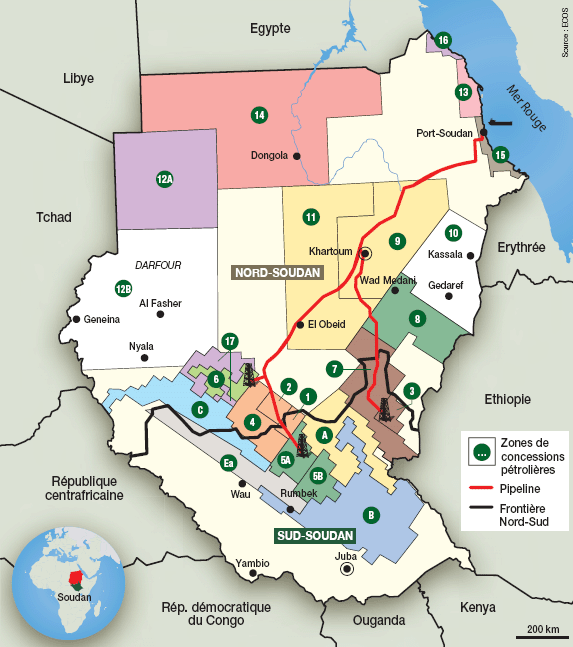
 Sudan
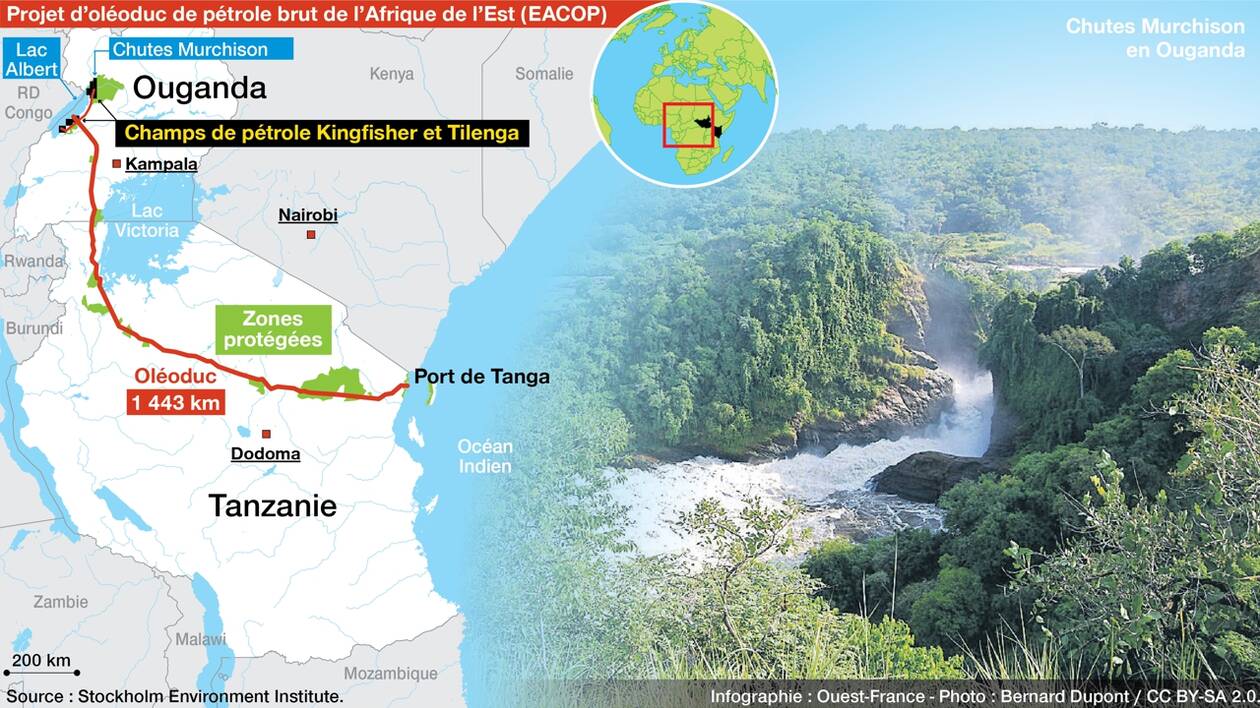
 Uganda