Introduction to Oil and Gas
Why understand oil and gas? An educational introduction for students, young professionals and African decision-makers, covering uses, Africa's role, key figures, risks and the energy transition.
 By the editorial teamPetrole.Africa
Educational title: Why understand oil and gas?
Target audience: Students, young professionals, curious readers, African decision-makers
🟡 General Introduction
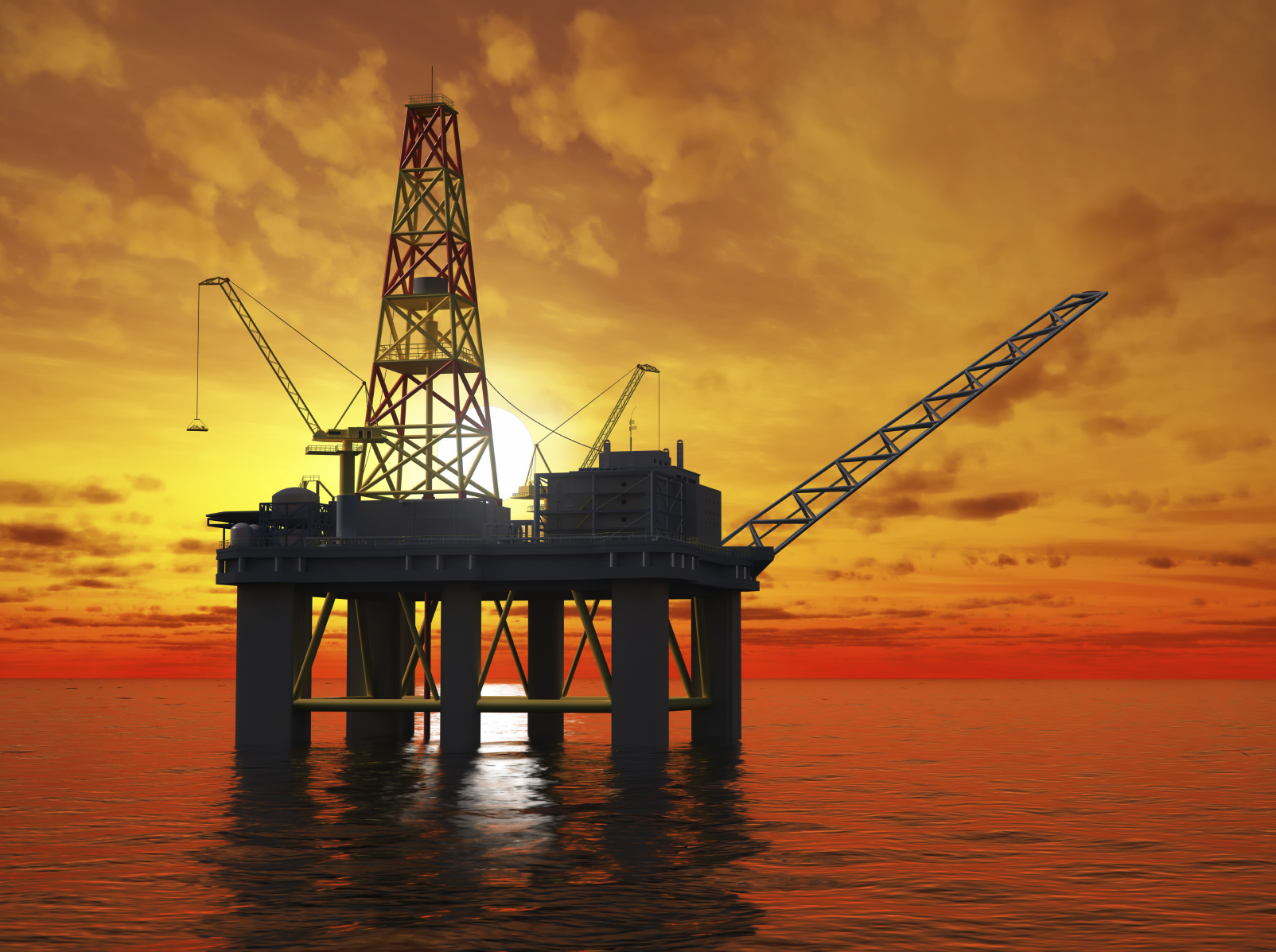
Oil and gas are two of the most strategic natural resources of our time. Primary energy sources, feedstocks for the chemical industry, drivers of global trade: their importance goes far beyond the fuel in our vehicles.
In Africa, these resources hold a central place. They shape economies, fuel geopolitical tensions, finance entire states... and also nourish great hopes for development.
But for these hopes to become reality, there is only one condition: to understand, master, and manage these resources with intelligence and responsibility.
🧭 Learning Objectives of This Section
- Provide a solid foundation of understanding of oil and gas
- Help students and future engineers structure their knowledge
- Present the specific features of the sector in the African context
- Encourage a critical and responsible view of oil-related issues
🛠️ What Are Oil and Gas Used For?
| Sector | Use |
|---|---|
| Transport | Gasoline, diesel, kerosene |
| Heating and cooking | Natural gas, butane |
| Industry | Raw materials (plastics, textiles, fertilizers, etc.) |
| Power generation | Thermal power plants |
| Petrochemicals | Solvents, cosmetics, pharmaceuticals |
A concrete example:
👉 A plastic water bottle, a pen, shoe soles, nail polish, toothpaste... All of these items come directly or indirectly from oil.
🌍 Why Does This Matter for Africa?
Africa accounts for roughly 8 to 10% of global crude oil production, with major producing countries such as Nigeria, Algeria, Angola, Libya, Egypt, Gabon, the Republic of the Congo, Equatorial Guinea and also Ghana and Côte d’Ivoire.
But paradoxically:
- Most oil is exported as crude, without being processed locally
- Many countries still import refined fuel
- The economic benefits do not always reach local populations
Hence the challenge: training a generation of Africans capable of processing, regulating and adding value to our resources.
🛢️ Oil and Gas: Engines of Development or an Economic Trap?
✴️ The Advantages:
- Government revenue (taxes, royalties)
- Job creation in exploration, production and services
- Infrastructure development (roads, ports, energy)
⚠️ The Risks:
- Economic dependence
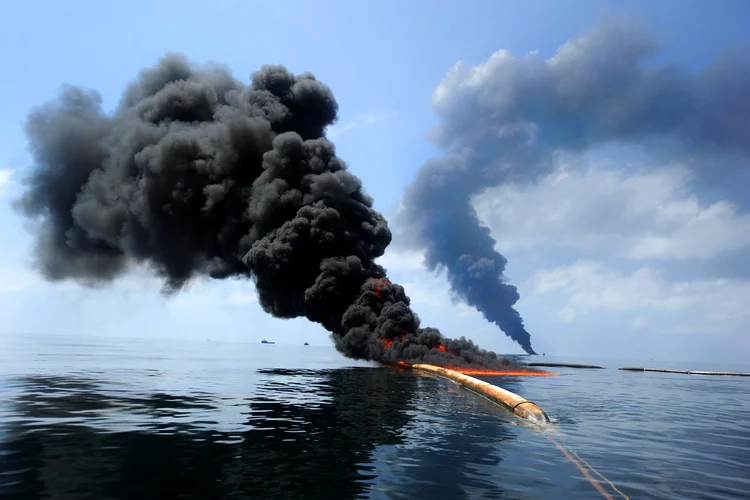
- Corruption, armed conflict, pollution
- Disregard for the rights of local communities
📊 Key Figures (Updated)
| Indicator | Value |
|---|---|
| Share of oil in African exports | Approximately 40% |
| Number of African producing countries | More than 20 |
| Proven reserves in Africa (2024) | Approximately 125 billion barrels |
| Natural gas reserves | Approximately 15,000 billion m³ (notably in Algeria, Nigeria, Mozambique, Egypt) |
🧠 Educational Box: Oil ≠ Renewable Energy
Oil and gas are fossil resources:
- Non-renewable on a human timescale
- Polluting (greenhouse gas emissions)
- Bound to decline in the future
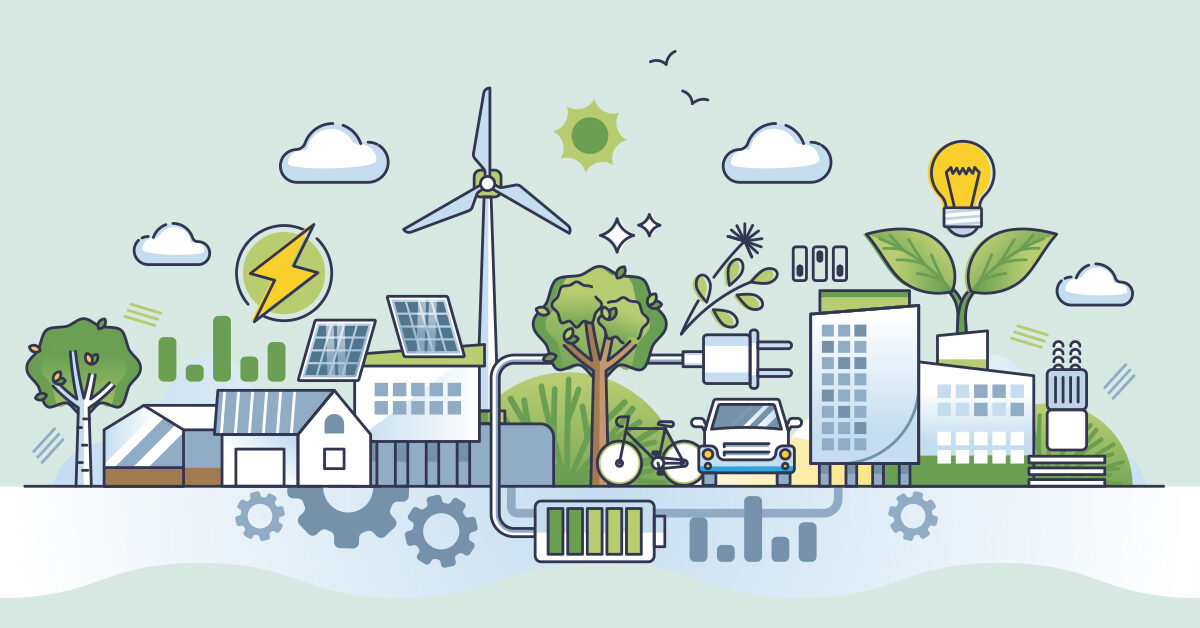
➡️ Hence the importance of preparing for the energy transition, while making the best use of existing resources in a sustainable and equitable way.
📚 Vocabulary to Remember (Page Glossary)
- Hydrocarbon: a molecule composed solely of hydrogen and carbon, the main component of oil and natural gas.
- Crude: oil as extracted, untreated.
- Petrochemicals: the transformation of oil into chemicals or plastics.
- Energy transition: the shift from a system based on fossil fuels to one based on renewable energy.
- Oil rent: the revenue a state derives from exploiting its oil resources.
📌 Key Takeaways
- Oil and gas are essential to modern society, but their exploitation must be understood, regulated and optimized, especially in Africa.
- This section aims to give you the theoretical and practical tools to work in this complex sector.
- Each following page will address a specific theme: training, exploration, production, refining, geopolitics, environment...